Resin Yellowing Prevention: How to Keep Your Dice Crystal Clear
Is your clear resin turning yellow? Learn the causes of ambering and the pro tricks like the 'purple drop' to keep your dice crystal clear for years.
Contents
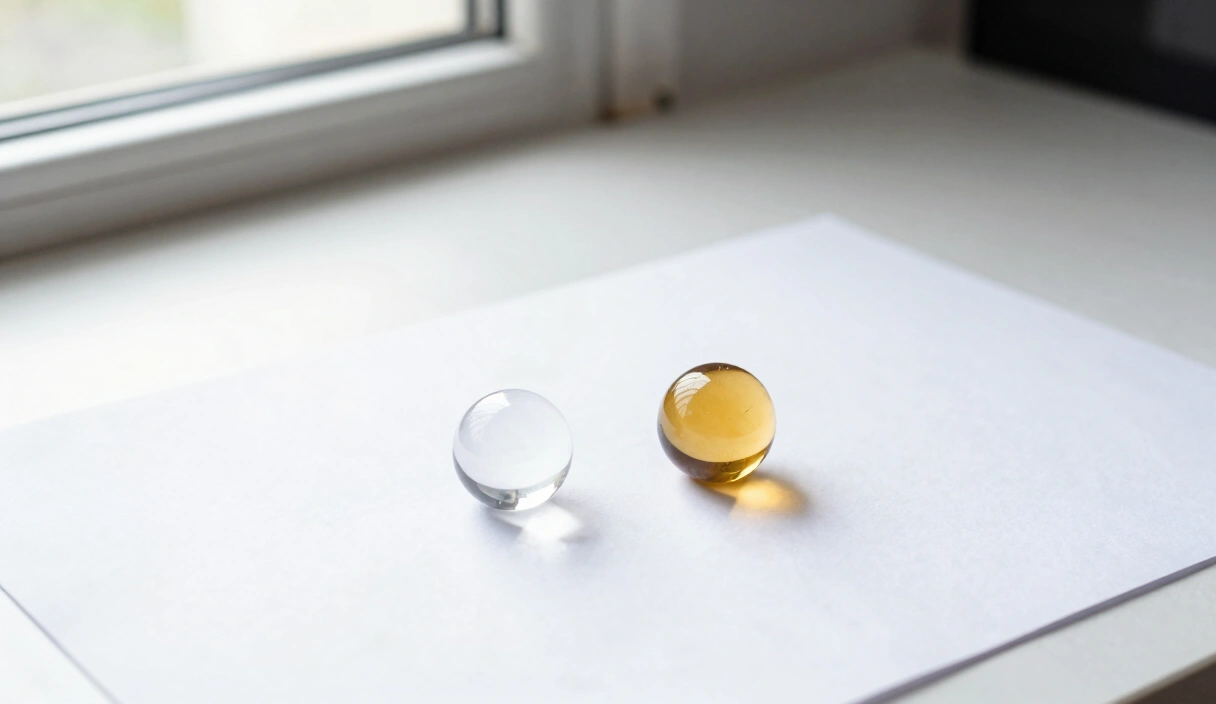
The morning sun streams through your workshop window, catching a tray of freshly demolded d20s. For a moment, they look like liquid diamonds, casting sharp rainbows across your workbench. But as you pick one up and hold it against a white sheet of paper, your heart sinks. That perfect, water-clear resin already has a faint, sickly amber tint. It’s the beginning of the “yellowing” disaster, and it’s the arch-nemesis of every dice artisan.
Yellowing, or “ambering,” is the natural aging process of epoxy resin, but that doesn’t mean you have to accept it. With the right chemistry and a few workshop hacks, you can keep your dice clear for years instead of weeks.
The Chemistry of the ‘Amber’ Disaster
Before we can fight yellowing, we have to understand what it is. Resin doesn’t just “turn” yellow; it undergoes a chemical change called photo-oxidation. UV light from the sun or even some indoor lighting hits the molecular bonds in the cured resin, breaking them down and creating new, yellowish-brown structures.
Think of resin like your skin on a summer beach trip. Without sunscreen, you’re going to burn. Resin doesn’t get a tan; it just gets an ugly, old-furniture-patina look that nobody asked for.
Beyond UV light, heat is the second major killer. If you cure your resin at extremely high temperatures or store it in a hot car, the oxidation process speeds up dramatically.
The Frustration: There is nothing more soul-crushing than spending forty hours sanding and polishing a “diamond” set of dice to a mirror finish, only to have them look like they were pulled from a smoker’s living room six months later. I’ve had entire batches of clear dice become unsellable because I used a cheap, “budget” resin that didn’t include UV inhibitors. It’s a mistake you only make once.
Top Strategies for Fighting UV Discoloration
If you want crystal clear dice, you have to start with the right materials. Not all resins are created equal.
- Invest in Quality Resin: Look for resins specifically labeled with UV Inhibitors and HALS (Hindered Amine Light Stabilizers). These additives act like molecular sunscreen, absorbing UV rays before they can damage the resin’s structure. Brands like Art ‘N Glow are community favorites for their long-term clarity.
- The Freshness Rule: Resin starts to oxidize the moment it’s manufactured, even inside the bottle. Buy smaller kits that you can use up in three to six months. Using a two-year-old bottle of resin is a guaranteed way to get amber dice before they even leave the mold.
- UV-Protective Topcoats: If you are making master dice or high-end display sets, consider applying a UV-protective clear spray or a specialized resin topcoat. This adds an extra layer of defense between the sun and your art.
Worth knowing: HALS (Hindered Amine Light Stabilizers) don’t just block UV; they actually “trap” the free radicals that cause oxidation, essentially healing the resin at a molecular level as it sits on your shelf.
The Optical Illusion: Using Purple to Fight Yellow
Here is a pro hack from the r/DiceMaking community: the “purple drop.”
The Wonder: It sounds counter-intuitive, but adding a microscopic amount of purple or violet alcohol ink to your clear resin can make it look even clearer. It’s the same principle used in “purple shampoo” for blonde hair. Purple sits opposite yellow on the color wheel, so it effectively “cancels out” the amber tones.
I started adding a pin-prick of purple ink to my clear pours last year. When the resin is in the mixing cup, it looks slightly lavender, but once it cures and you hold it to the light, it looks more “ice-clear” than resin with no pigment at all. It’s a true magic trick of color theory.
Quick check: Don’t overdo it. You are aiming for a drop so small you can barely see it on the tip of a toothpick. If your dice look like a grape popsicle, you’ve gone too far.
Storage and Display: Protecting Your Finished Art
Once your dice are cured, the fight isn’t over. How you store and display them matters just as much as how you pour them.
- Avoid Direct Sunlight: Never store your dice on a windowsill. Even the best UV-resistant resin will eventually yellow if it’s baked in the sun day after day.
- Keep it Cool: High heat accelerates chemical aging. A cool, dark drawer or a dedicated dice vault is the best home for your collection.
- The ‘White Paper’ Test: Every few months, take your clear dice and place them on a sheet of bright white printer paper. This is the only way to truly monitor if they are beginning to shift in color.
The Satisfaction: There is a specific type of pride in pulling out a set of clear dice you made three years ago and seeing them look just as water-white as the day they were demolded. It tells your customers (and yourself) that you aren’t just a hobbyist—you’re a craftsman who understands the science of the craft.
FAQ: Why Clear Dice Turn Yellow
Can I reverse resin yellowing? Unfortunately, no. Once the chemical bonds have oxidized and turned yellow, the process cannot be reversed. You can’t “bleach” resin back to clear. Your best bet is to sand off the surface and recoat it, or embrace the color by adding a tinted polish.
Is yellowed resin still safe to use? Yes. Yellowing is a cosmetic issue. It doesn’t affect the hardness or structural integrity of the die. If your liquid resin has turned yellow in the bottle, you can still use it for dark-colored dice or “dirty pours” where the amber tint will be hidden by pigments.
Does UV resin yellow faster than epoxy? Generally, yes. Because UV resin cures using UV light, it is naturally more prone to light-triggered degradation over time. High-quality epoxy resin remains the gold standard for long-term clarity in dice making.
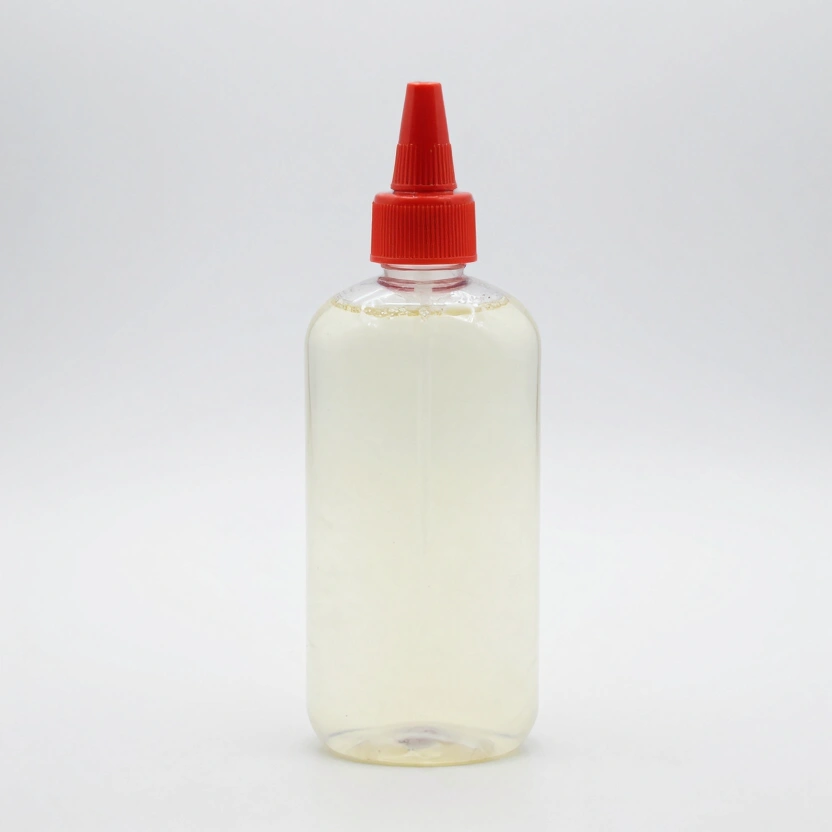
Art 'N Glow Epoxy Resin Kit (32 oz)
Crystal-clear 1:1 mix ratio epoxy. UV resistant, self-leveling. The community favorite for dice casting.
Check Price on Amazon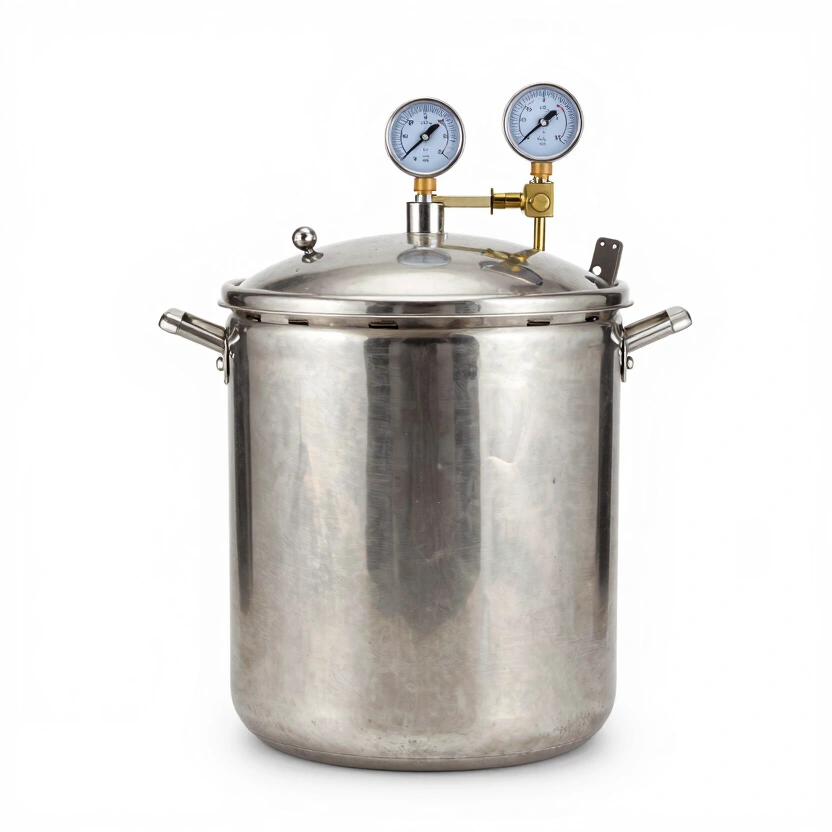
California Air Tools 255C Pressure Pot (2.5 gal)
Purpose-built for resin casting. Coated steel tank, portable. The #1 recommended pressure pot for dice makers.
Check Price on Amazon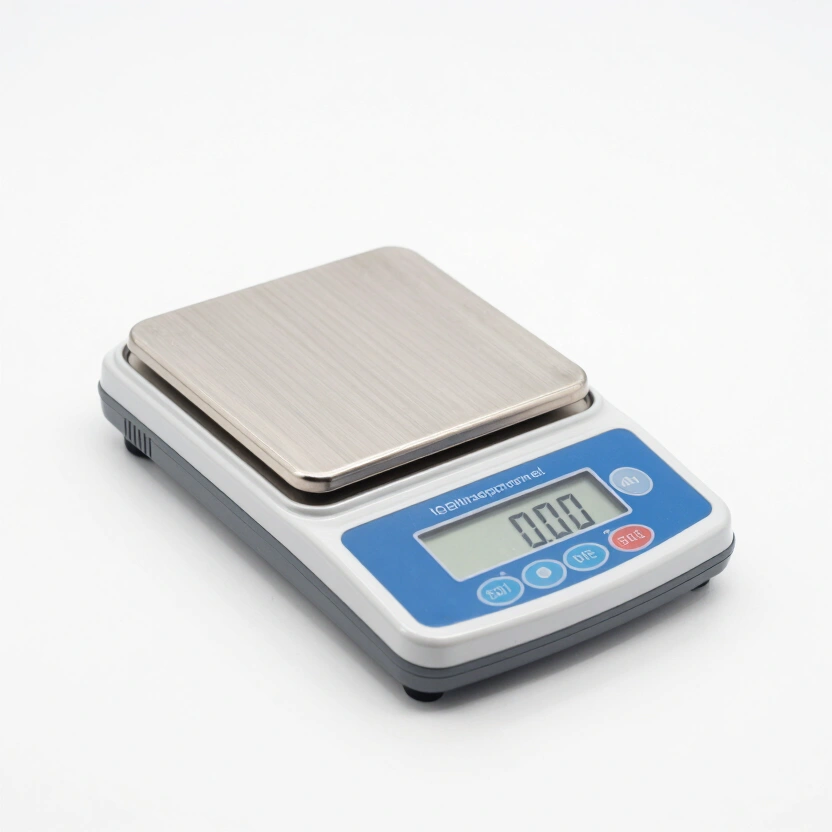
Fuzion Digital Scale (0.01g Precision)
Precise to 0.01g for accurate resin mixing ratios. Tare function, backlit display. Essential for consistent pours.
Check Price on Amazon* Affiliate links. Prices last updated March 6, 2026.
The Practical Challenge: Check Your Resin Today
Take a look at your current stock of resin bottles. If they have been sitting in your workshop for more than a year, do a small test pour today. Hold that cured piece against a white background. If it’s already showing signs of ambering, it’s time to retire those bottles to “dark pour” duty and invest in a fresh, UV-resistant kit.
If you are ready to stop fighting clear resin and want to start experimenting with color instead, check out our guide on choosing the right pigments for dice.