Dice Mold Care and Maintenance: Stop Killing Your Silicone
Your silicone dice molds aren't permanent tools. Learn how to extend their lifespan with proper cleaning, release agents, and by avoiding heat damage.
Contents
In the 1980s, Lou Zocchi, the founder of GameScience, famously waged a one-man war against the dice industry. He argued that factory-tumbled dice were rounded and statistically unfair because the polishing process was imprecise. His solution? Sharp-edged, uninked precision dice. Today, custom dice makers chase that same ghost of perfection using silicone molds. But here is the contrarian truth: most makers treat their molds like heavy machinery when they should be treating them like high-end lingerie.
We often think that once we have a “master” set of molds, our equipment costs are over. They aren’t. Silicone is a consumable material, and the way you maintain it determines whether you get 10 pulls or 50.
The Harsh Truth: Your Molds are Perishable
Silicone is not a permanent tool. Every time you pour resin into a mold, a microscopic chemical battle takes place. The resin literally eats away at the silicone’s surface through a process called “leaching,” eventually making the mold brittle and prone to tearing.
After the first few pulls, you might notice that the mirror-like finish of your dice starts to look slightly dull. This is “dulling,” and it is the first sign that your mold is dying. You cannot stop it entirely, but you can slow it down.
The Wonder: It is genuinely amazing how a single molecule of platinum-cure silicone can stretch up to 400% of its size and still return to a perfect d20 shape. When you first demold a set and see those crisp, Zocchi-style edges, it feels like magic. But that magic relies on the silicone staying hydrated and flexible.
Cleaning Your Molds Without Damage
The fastest way to kill a mold is to scrub it. I have seen beginners use toothbrushes or even the rough side of a sponge to get glitter out of a mold cavity. Stop doing that immediately. You are creating micro-scratches that will transfer to every single die you pour from then on.
The sticky residue of a failed pour, the stray flecks of holographic glitter clinging to the corners of a d6, and the temptation to just pick at it with a fingernail — this is where most molds meet their end.
The Better Way: Use packing tape or blue painter’s tape. Gently press the sticky side of the tape into the cavity and lift. It will pull out dust, hair, and glitter without touching the silicone surface. If the mold is truly dirty from hand oils, use warm water and a tiny drop of grease-cutting dish soap (like Dawn). Air dry it upside down so no water spots form on the faces.
The Hidden Enemy: Heat and Torches
If you watch YouTube tutorials, you will see people waving butane torches over their open molds to pop surface bubbles. This is the single most destructive habit in dice making.
The Frustration: I once burned through a $60 set of custom cap molds in a single weekend because I was too aggressive with my lighter. The heat from the flame doesn’t just pop bubbles; it causes the silicone to “flash-cure” against the resin. They literally fuse together. When you go to demold, the silicone tears away with the resin, leaving a permanent pit in your mold.
Safety First: Put the torch away. If you are serious about mold longevity, use a pressure pot to handle bubbles. If you absolutely must use heat, use a quick pass of a heat gun on a low setting, or better yet, a fine mist of 99% isopropyl alcohol.
Extending the Life of Your Molds: Release Agents and Storage
If you want to move from 15 pulls to 40+ pulls per mold, you need a lubrication strategy.
- Mold Release Agents: A light mist of a silicone-based mold release creates a barrier between the resin and the mold. This reduces the “leach” effect and makes demolding effortless. However, be careful—too much release agent can cause “orange peel” texture on your dice.
- The 24-Hour Rest: Silicone needs time to recover its shape after the stress of demolding. If you pour a new set immediately after pulling the old one, you are stretching the molecules while they are still “tired.”
- Storage: Store your molds flat. If you stack them or toss them into a bin, they will eventually warp under their own weight. Keep them in a cool, dark place; UV light is just as bad for silicone as it is for resin.
Worth knowing: High-quality platinum silicone typically has a tear strength of 100–120 ppi (pounds per inch). Once you hit the mold with a torch or skip the release agent, that strength drops by nearly 40% due to heat degradation.
FAQ: Common Dice Mold Maintenance Questions
How many pulls should a dice mold last? A well-cared-for mold should give you 20–30 high-quality pulls. After that, you will see significant dulling. If you use a pressure pot and release agents, some makers report up to 50 pulls before the mold needs to be retired.
Can I fix a torn mold? Not effectively. You can try to “patch” it with UV resin or a small dab of fresh silicone, but it will always leave a scar on your dice. It is better to use the torn mold for “practice pours” or “muck sets” and make a new one for your masters.
Why did my mold turn white and crusty? This is usually a sign of “amine blush” or using a resin that was too aggressive for that specific silicone. It can also happen if you use too much mold release. Try a warm soapy water wash to see if it clears up.
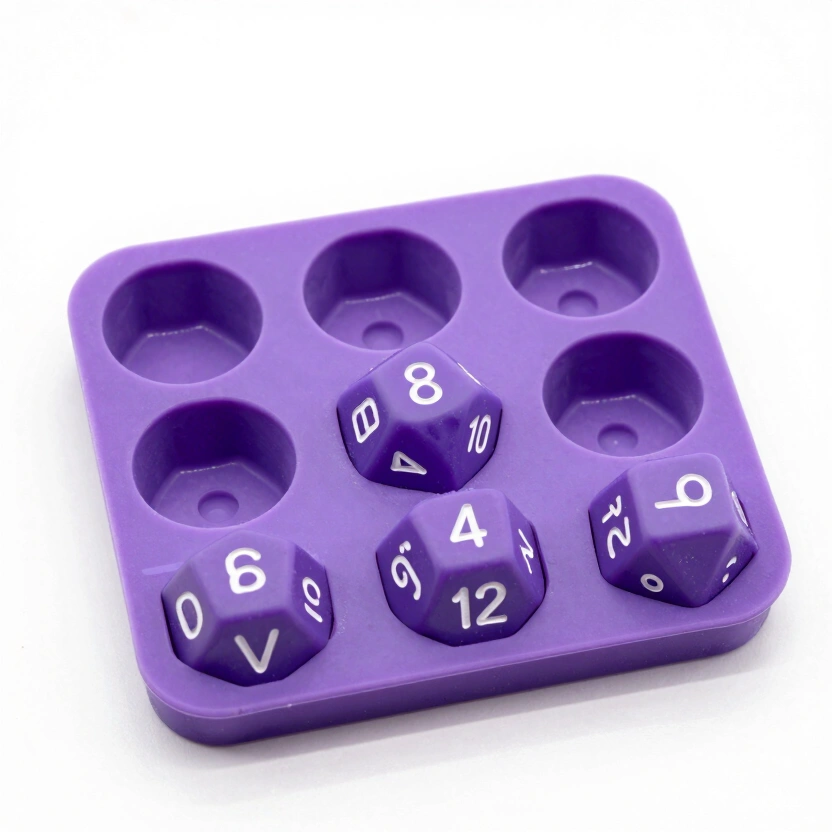
LET'S RESIN Polyhedral Dice Mold Set (7 Shapes)
Stereoscopic 7-piece silicone mold for D4-D20. Pre-made sprue channels. Top-selling beginner mold.
Check Price on Amazon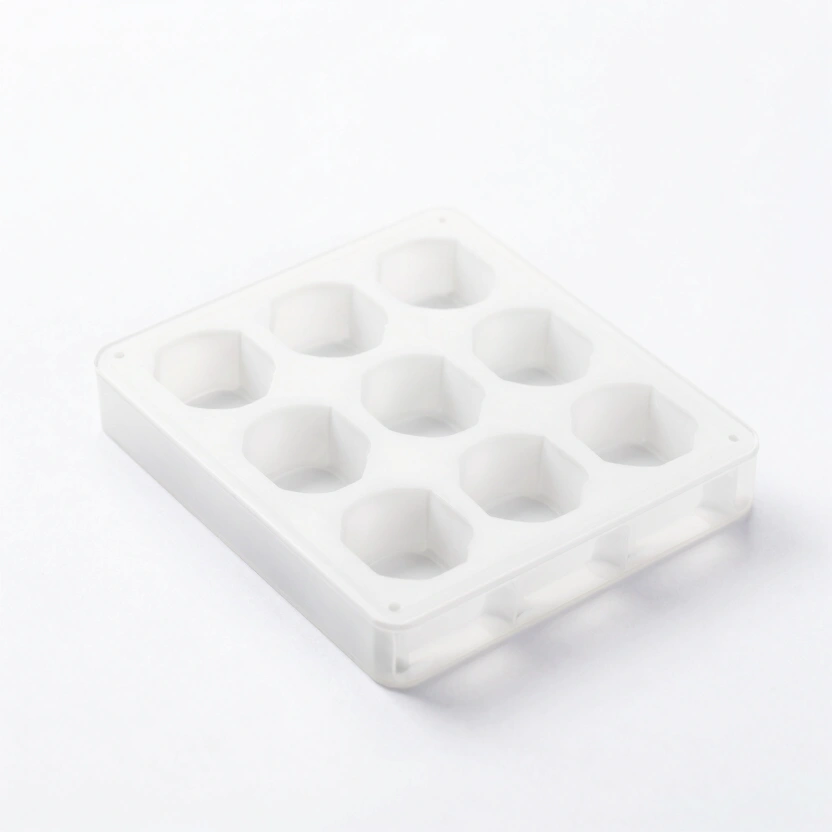
CZYY Sharp Edge Dice Mold (7 Shapes)
Precision slab-style molds for sharp-edge dice. Popular on r/DiceMaking. Requires careful demolding.
Check Price on Amazon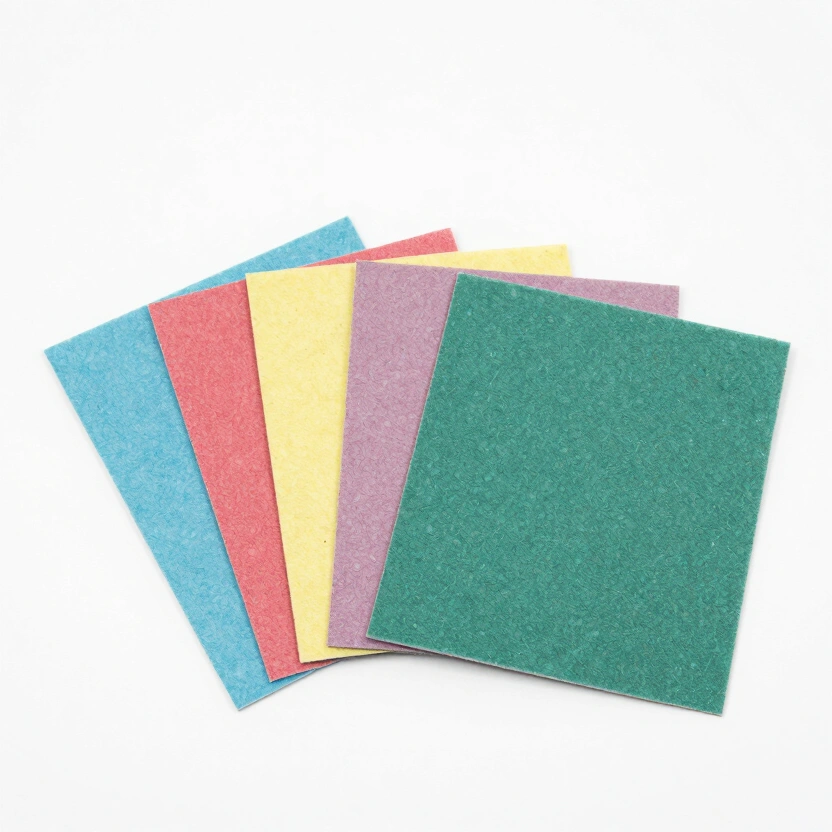
Zona 37-948 Polishing Paper Assortment (1-30 Micron)
6 progressive grits from 30µ to 1µ. The gold standard for hand-polishing sharp-edge dice to glass clarity.
Check Price on Amazon* Affiliate links. Prices last updated July 17, 2026.
If your molds look like they’ve been through a war zone, don’t worry. We’ve all been there. My first mold ended up so pitted it looked like a golf ball. Just remember: silicone is temporary, but the skills you gain are permanent.
The Callback: Protecting Your Investment Today
Go back to that Lou Zocchi mindset. He cared about the geometry because the geometry was the game. Your molds are the guardians of that geometry. Every scratch you prevent and every torch-burn you avoid ensures that your d20s remain fair, sharp, and beautiful.
Stop treating your molds like disposable plastic and start treating them like the precision instruments they are. Your dice—and your wallet—will thank you.
If you are ready to stop worrying about mold care and want to try making your own from scratch, check out our guide on making your first silicone dice mold.