Resin Mixing Ratio: Why a 5% Error Ruins Your Dice
A wrong resin mixing ratio leaves you with sticky, soft, or brittle dice. Learn exact ratios by brand, how to measure by weight, and how to fix common mistakes.
Contents
In 1936, two Swiss chemists — Pierre Castan and Sylvan Greenlee, working independently — realized that mixing an epoxide with a hardener at a precise ratio produced a polymer tougher than anything else available. Too much of either component and the result was useless: gummy, crumbly, or somewhere in between. The ratio wasn’t a suggestion. It was the entire point. Nearly a century later, that same chemistry sits on your workbench in two bottles labeled Part A and Part B. The question Castan had to answer is the same one you face before every pour: how much of each, and what happens if you’re wrong?
For dice, the answer to “what happens” is brutally specific. A coaster can survive sloppy measuring. A 15-gram d20 cannot.
Why Mixing Ratio Matters
Epoxy resin cures through a chemical reaction called crosslinking. Part A (the resin) contains epoxide groups. Part B (the hardener) contains amine or anhydride groups. When you combine them at the correct ratio, every epoxide group finds a hardener molecule to bond with. The polymer chains link together into a dense, rigid network — hard enough to sand, polish, and roll across a table thousands of times.
When the ratio is off, some of those groups have no partner. They sit in the cured matrix unreacted, weakening the entire structure.
Think of it this way: crosslinking is like a zip. Every tooth on the left side needs a tooth on the right. Remove 10% of the teeth on one side and the zip still closes — but it gaps, catches, and eventually fails. That’s your dice with a bad ratio.
This is why resin cures rather than dries. Drying is evaporation. Curing is a chemical bond forming at the molecular level. No amount of waiting, heating, or hoping will fix a ratio that was wrong at the moment of mixing. The chemistry either works or it doesn’t.
Common Ratios by Resin Type
Not every resin uses the same ratio. Some are 1:1. Some are 2:1. Some measure by volume on the label but behave differently by weight. Always check the manufacturer’s technical data sheet — not just the bottle label, which sometimes oversimplifies.
Here are the resins most dice makers reach for, with their actual ratios:
Unicone Art Resin
- Volume ratio: 1:1
- Weight ratio: 100:83 (Part A : Part B)
- Low viscosity, long pot life (~40 minutes at 75°F), excellent clarity after polish. The weight ratio matters here — Part B is denser than Part A, so equal volumes do not mean equal weights. If you measure by volume, you’re fine. If you switch to a scale (and you should), use 100:83.
Art ‘N Glow
- Volume ratio: 1:1
- Weight ratio: Close to 1:1 by weight as well, but always confirm with the current batch’s data sheet. Slightly higher viscosity than Unicone, which can help suspend glitter and mica.
Alumilite Amazing Clear Cast
- Volume ratio: 1:1
- Weight ratio: Parts A and B have noticeably different densities. Measure by volume if you’re following their instructions, but know that weighing both parts equally will give you a slightly off ratio. This trips up beginners who read “1:1” and assume weight and volume are interchangeable. They aren’t.
Data point: A 2024 r/DiceMaking community survey found that 68% of dice makers use a 1:1 epoxy as their primary resin. The popularity makes sense — 1:1 is the easiest ratio to remember and the hardest to mess up. But “easy to remember” doesn’t mean “impossible to get wrong.”
2:1 Epoxy Systems
Some epoxy systems — particularly those designed for deep pours, countertops, or industrial coatings — use a 2:1 ratio (two parts resin to one part hardener by volume or weight). These are less common in dice making, but you’ll encounter them if you experiment beyond the standard brands. The rule is the same: check the label, confirm on the data sheet, and measure accordingly. A 2:1 resin measured at 1:1 will never fully cure. You’ll be peeling tacky dice out of your molds and wondering what went wrong.
Measuring by Weight vs. Volume
Most resin labels give you a volume ratio. Volume is intuitive — pour equal amounts into identical cups, combine, and stir. It works. But weight is more accurate, and here’s why.
Resin (Part A) and hardener (Part B) almost never have the same density. Part A might weigh 1.10 g/mL while Part B weighs 0.95 g/mL. Equal volumes of two liquids with different densities means unequal masses — and the chemical reaction doesn’t care about volume. It cares about molecular count, which correlates with mass.
For large pours — a river table, a countertop — a small density error spread across liters of material barely matters. For a single die that weighs 12-18 grams, that same percentage error concentrates in a tiny volume. The margins are thinner than you think.
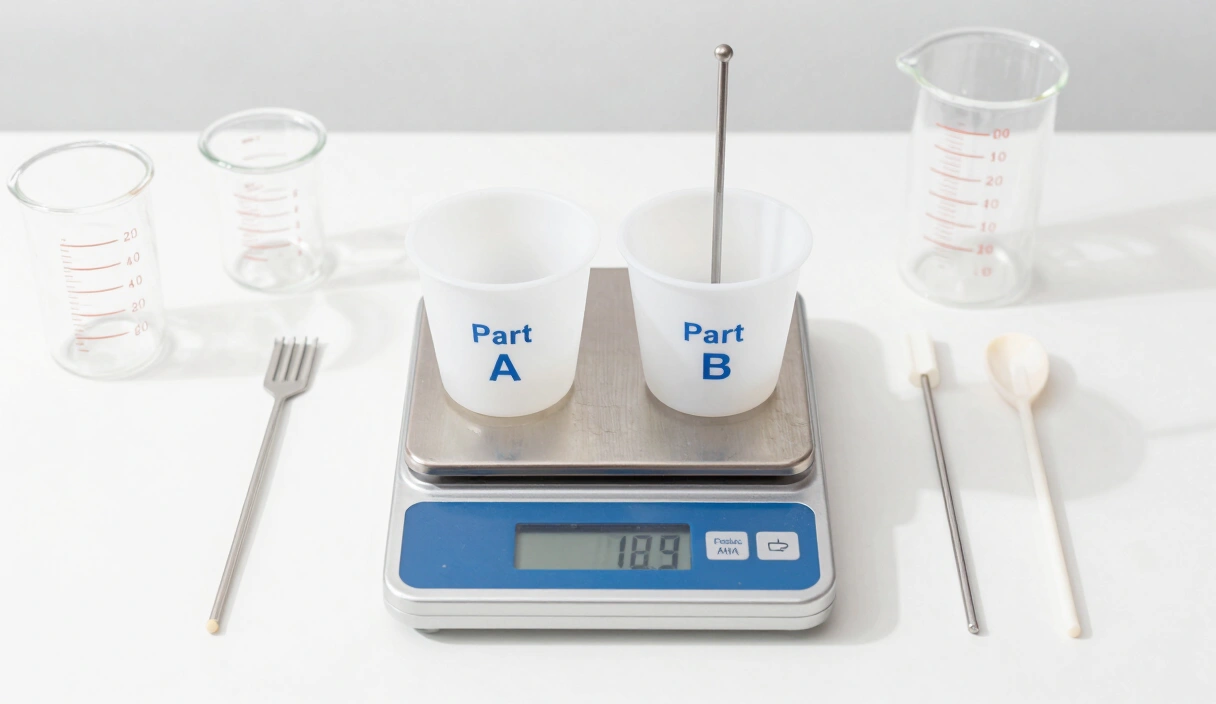
Use a digital scale accurate to 0.1 grams. Kitchen scales that read in whole grams aren’t precise enough for small dice pours. A jewelry scale or reloading scale in the $15-25 range does the job. Tare your cup, pour Part A, note the weight, tare again, pour Part B to the calculated target.
If Unicone Art’s weight ratio is 100:83 and you need 50 grams of Part A, your Part B target is 41.5 grams. Not “about 42.” Not “a splash more.” 41.5 grams.
You, personally, will feel like this is overkill the first time you do it. You will not feel that way after your first batch of perfectly cured, glass-hard dice. The scale is faster than eyeballing graduated cups, and it’s more accurate every single time.
What Happens When You Get It Wrong
The failure modes are specific and diagnosable. If your dice came out wrong, the ratio is one of the first things to investigate — along with mixing time and cure temperature.
Too Much Resin (Part A Heavy)
Excess resin means unreacted epoxide groups with no hardener to bond with. The result: dice that feel rubbery, surfaces that stay slightly tacky even after 72 hours, and a persistent fingerprint-attracting sheen that no amount of polishing fixes. In mild cases (2-3% excess), the dice might feel fine at first but soften in warm conditions — left on a sunny windowsill, they’ll start to deform.
Too Much Hardener (Part B Heavy)
Excess hardener accelerates the reaction, generates more heat, and produces a stiffer but more brittle polymer. Dice may look fine at first. Then you notice yellowing — a faint amber tint that deepens over weeks. Corners chip more easily. Roll enough nat 1s on a hard surface and a brittle d20 will eventually crack.
The 5% Threshold
Here’s the honest reality: most dice makers won’t notice a 1-2% ratio error. The crosslinking network is robust enough to absorb minor variation. But at 5%, problems become visible and tactile. At 10%, your dice are scrap.
Warning: There is no fix for a bad ratio after the pour. You cannot add more hardener to tacky dice. You cannot anneal brittleness out of an over-catalyzed cure. If the ratio was wrong when it went into the mold, the dice are compromised. Prevention is the only strategy. If you’re dealing with a sticky situation right now, the resin not curing troubleshooting guide will help you confirm whether ratio was the culprit and how to avoid repeating it.
Tips for Accurate Mixing
Knowing the right ratio is half the battle. Executing it consistently, pour after pour, is the other half. These habits take an extra two minutes and save entire batches.
Use Separate Cups for Measuring
Pour Part A into one cup. Pour Part B into a second cup. Then combine into a third clean cup for mixing. This sounds wasteful — three cups for one pour — but it eliminates the most common source of ratio error: residual liquid clinging to cup walls. Silicone measuring cups are reusable. The cured resin pops right out after 24 hours.
Scrape the Sides and Bottom
When you mix, drag your stir stick along the bottom of the cup and up the sides. Unmixed resin loves to hide in the corners where the wall meets the base. If even a small pocket of unmixed Part A or Part B gets poured into your mold, that section of the die will cure differently — soft spots in an otherwise hard die.
Mix for 3-4 Minutes Minimum
Set a timer. Everyone thinks they’ve been mixing for three minutes when it’s been ninety seconds. Stir at a steady, deliberate pace. You’re folding the two parts together, not whipping cream. Fast stirring introduces air bubbles. Slow, consistent folding lets the components integrate without trapping gas.
Scrape and Transfer
After mixing, scrape the sides of your mixing cup one final time. Then pour the mixed resin into a fresh, clean cup. This “double-cup” method leaves behind the unmixed film that clings to the original cup’s walls. It adds maybe thirty seconds and eliminates another source of soft spots.
You already know this if you’ve been through the full resin dice tutorial. But knowing it and doing it every time are different things. The night you skip the second cup because you’re in a hurry is the night you get a tacky d4 in an otherwise perfect set.
Temperature Matters
Mix and pour at the temperature recommended on your resin’s data sheet — usually 72-78°F (22-26°C). Cold resin is thicker, harder to mix thoroughly, and traps more air. Warm resin flows better but cures faster, giving you less working time. If your workshop is cold, warm both bottles in a water bath at 85°F (29°C) for 10-15 minutes before measuring. Don’t microwave resin. Seriously. I’ve seen the aftermath. It wasn’t funny at the time. It’s a little funny now.
Frequently Asked Questions
Can I adjust the ratio to make my dice harder or softer?
No. The ratio is determined by the resin’s chemistry, not your preference. Adding extra hardener won’t make harder dice — it will make brittle, yellowed dice. Adding extra resin won’t make them more flexible — it will make them tacky. If you want different material properties, switch to a different resin formulation. Don’t freelance with the ratio.
Do I need to measure by weight for a 1:1 resin?
For most 1:1 epoxies used in dice making, measuring by volume produces acceptable results. But “acceptable” and “optimal” are different words. Weight measurement removes the guesswork introduced by meniscus reading, cup shape, and density differences between parts. A $20 scale is the cheapest upgrade that improves every single pour. Once you switch, you won’t go back.
How do I know if my ratio was off after the dice have cured?
Tacky surfaces, soft spots, or a rubbery feel after 72+ hours at room temperature point to excess Part A. Yellowing, unusual brittleness, or a slight exothermic reaction (the dice felt hot in the mold) suggest excess Part B. If only part of the die has issues — one face is tacky while the rest is hard — the cause is more likely incomplete mixing than a bad ratio overall.
Does the ratio change if I add pigments or inclusions?
Standard additions — mica powder, alcohol ink, glitter — in small quantities (under 5% by weight of total resin) don’t meaningfully change the ratio. But if you’re loading heavy additions like metal flakes or glow powder at 10%+ by weight, you’re displacing resin volume without adding reactive chemistry. Measure your resin and hardener first at the correct ratio, then add your pigments to the already-measured mix. Don’t subtract resin weight to “make room” for inclusions.
Precision Mixing Supplies
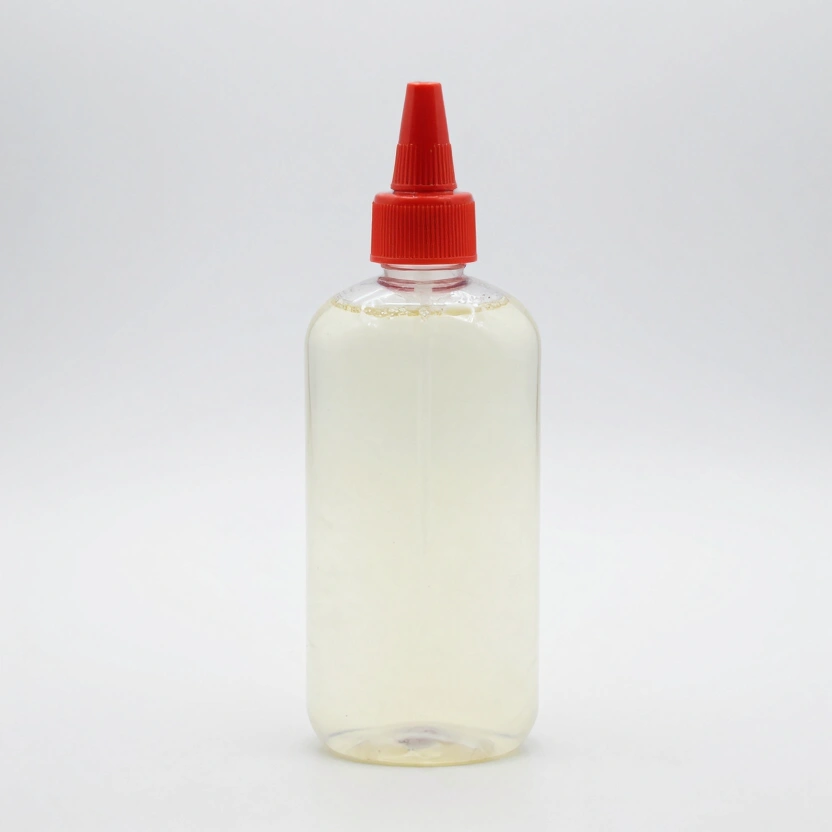
Art 'N Glow Epoxy Resin Kit (32 oz)
Crystal-clear 1:1 mix ratio epoxy. UV resistant, self-leveling. The community favorite for dice casting.
Check Price on Amazon
LET'S RESIN Crystal Clear Epoxy (34 oz)
Bubble-free, low odor casting resin. Anti-yellowing formula. Great for beginners, easy 1:1 ratio.
Check Price on Amazon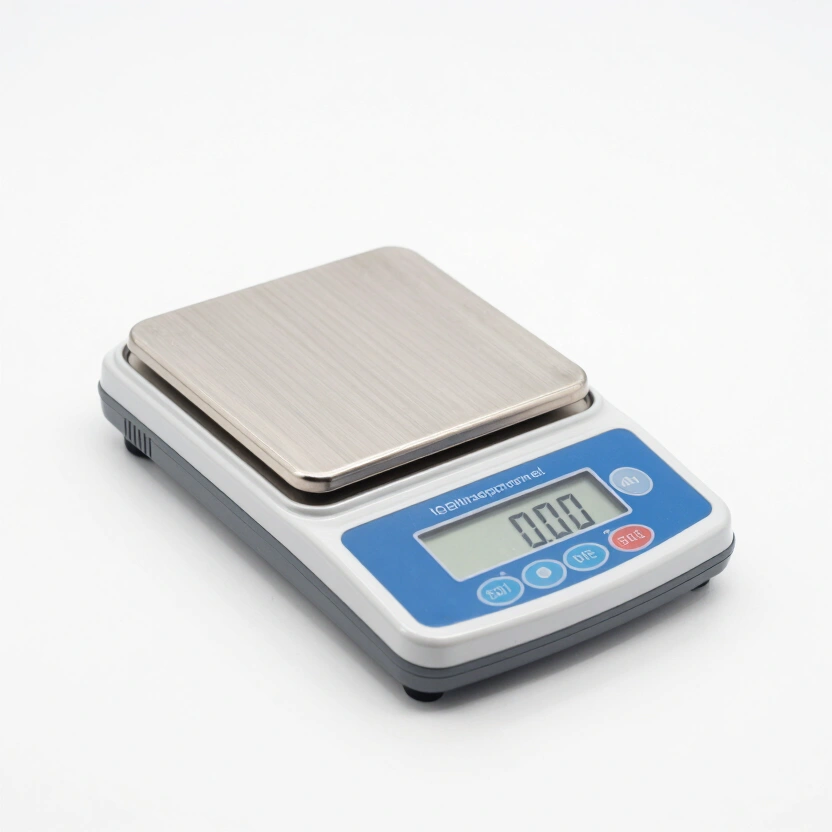
Fuzion Digital Scale (0.01g Precision)
Precise to 0.01g for accurate resin mixing ratios. Tare function, backlit display. Essential for consistent pours.
Check Price on Amazon* Affiliate links. Prices last updated March 6, 2026.
No mixing ratio guide will save you from the occasional bad batch. Humidity spikes, old hardener, a cup you thought was clean — variables exist that no amount of precision can fully control. What good ratio discipline does is eliminate the most common and most preventable cause of failed dice. When a pour goes wrong and you know your ratio was right, you can troubleshoot everything else with confidence instead of guessing. That’s worth the thirty extra seconds with a scale. Every time. Head to the best resin for dice guide if you’re still choosing your first bottles.
Related Articles
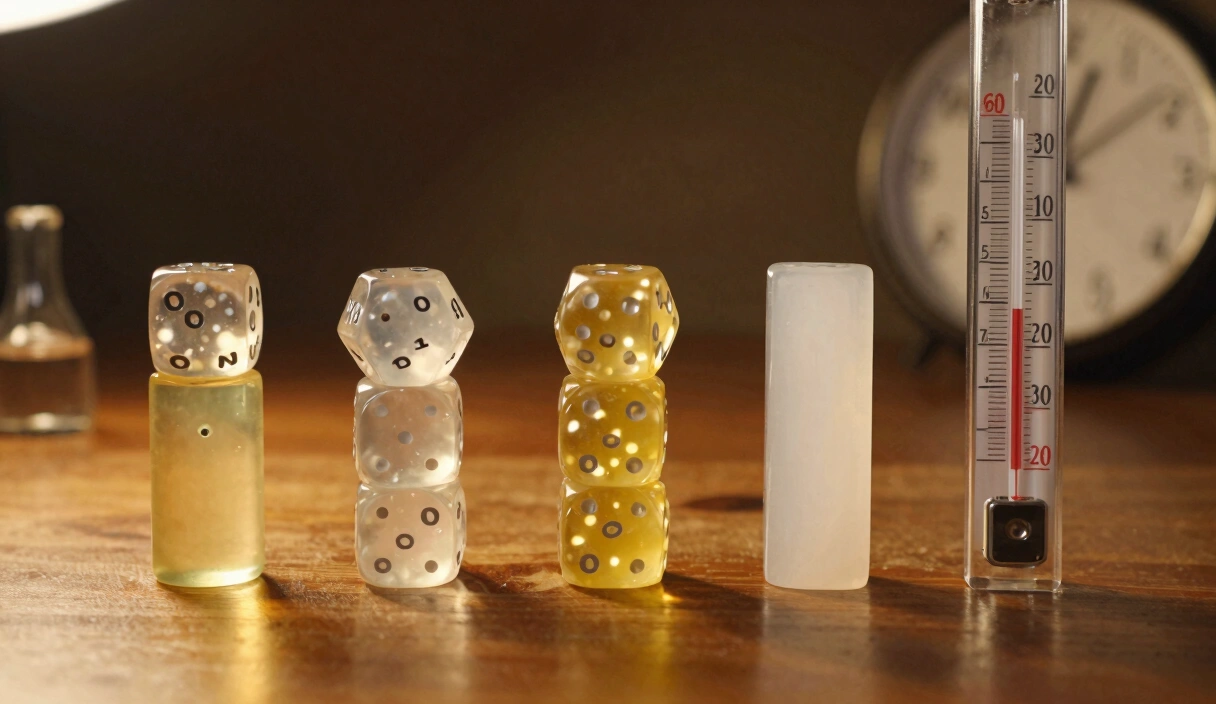
How Long Does Resin Take to Cure? The Real Timeline for Dice Makers
Resin doesn't cure on your schedule. Here's the actual timeline for epoxy, UV, and polyurethane — and why rushing it ruins dice.
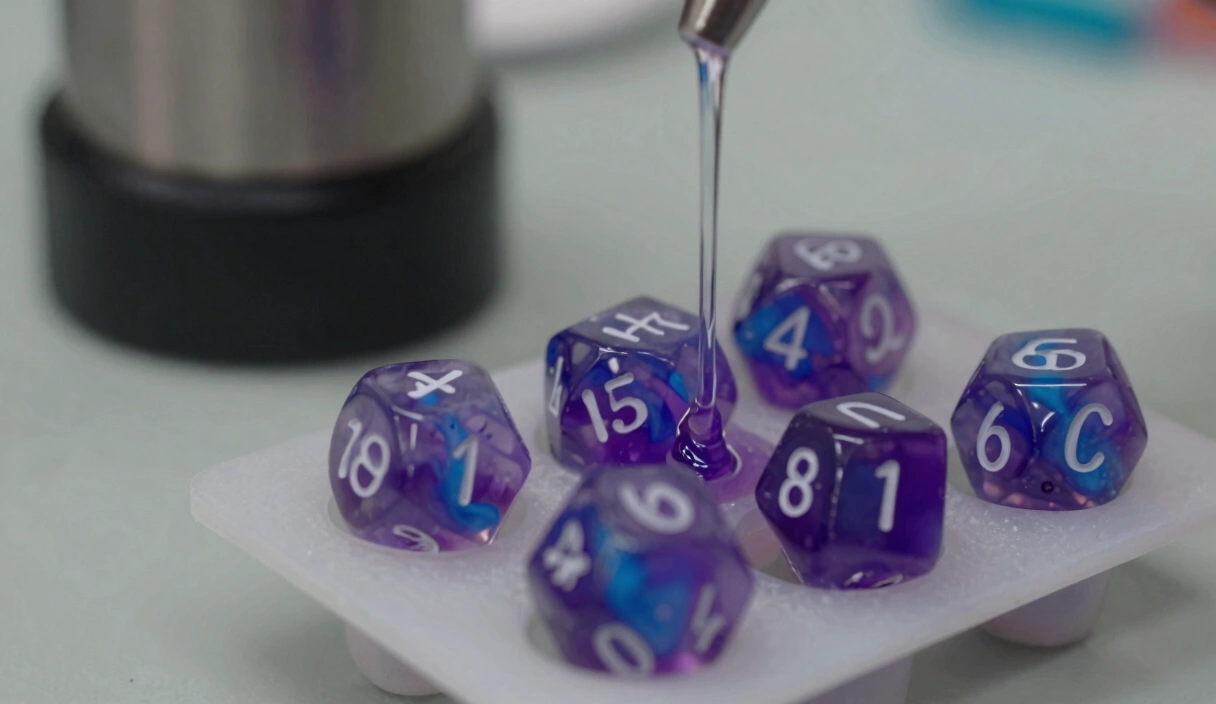
How to Make Resin Dice: Mixing, Pouring, and Curing Done Right
From measuring resin by weight to pulling bubble-free dice from a pressure pot, this is the resin-specific process that separates cloudy pours from crystal-clear sets.
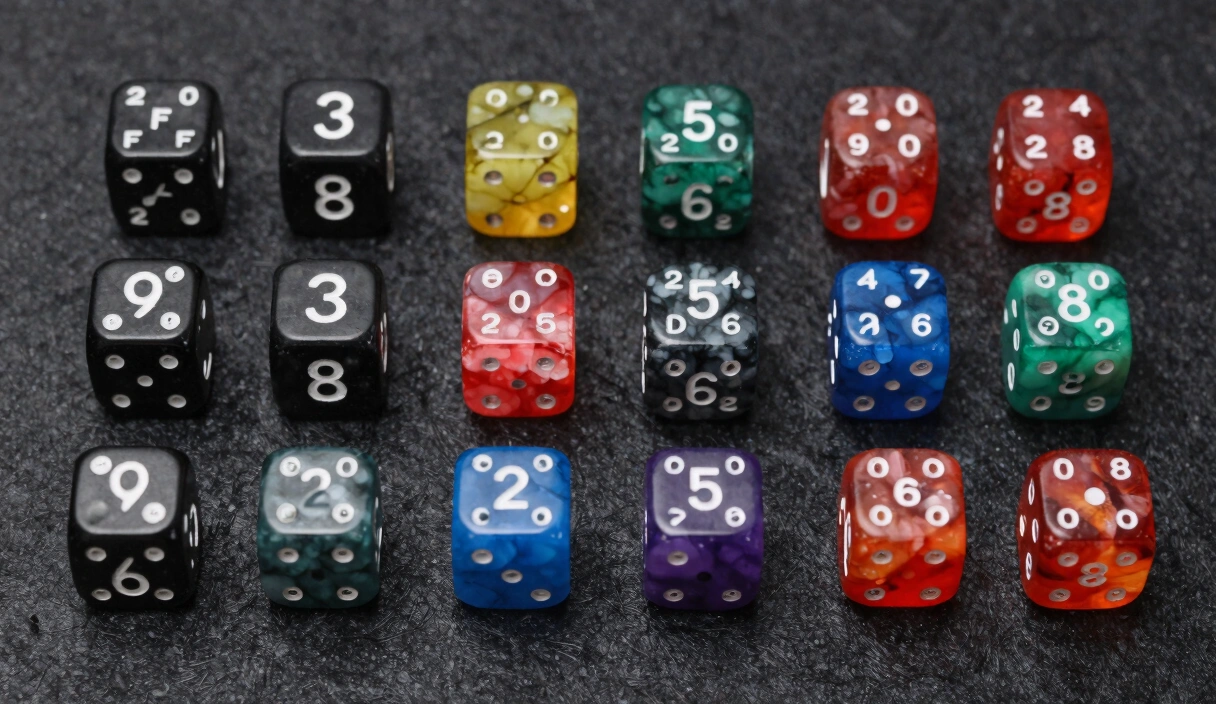
Dice Making Techniques: 6 Methods from Basic Pours to Liquid Core
6 resin dice techniques ranked by difficulty with exact steps, materials, and failure points. Data from 200+ pours across petri, galaxy, inclusion, and liquid core methods.