Resin Curing Temperature: Why Your Workshop Needs a Thermometer
Temperature is the single most important factor in a successful resin cure. Learn the ideal temperature for dice making and how to avoid the sticky nightmare of a cold workshop.
Contents
It was February, and I had just poured my most ambitious set of dice yet — a deep purple galaxy pour with real silver foil. I left them in my unheated garage overnight, thinking the 40°F (4°C) chill would just slow things down. When I checked them 24 hours later, they weren’t dice. They were a sticky, lavender-colored soup that refused to leave the mold. I had to scrub my expensive silicone for hours with isopropyl alcohol just to save it.
Temperature isn’t just a suggestion in resin work; it’s the engine that drives the chemical reaction. If you don’t respect the thermometer, the resin won’t respect your hard work.
The Ideal Temperature Range for Dice Making
For most hobbyist resins like Art ‘N Glow, the “Goldilocks Zone” is between 70°F and 80°F (21–27°C). This is the temperature range where the polymerization — the chemical bonding between Part A and Part B — happens most efficiently.
Worth knowing: For every 18°F (10°C) increase in temperature, the speed of the chemical reaction in epoxy resin roughly doubles. A warm room is your best tool for a faster demolding time.
In this range, the resin flows easily, air bubbles rise to the surface faster, and the final result is as hard as glass. Once you drop below 65°F (18°C), you are entering the danger zone where the chemical reaction begins to stall.
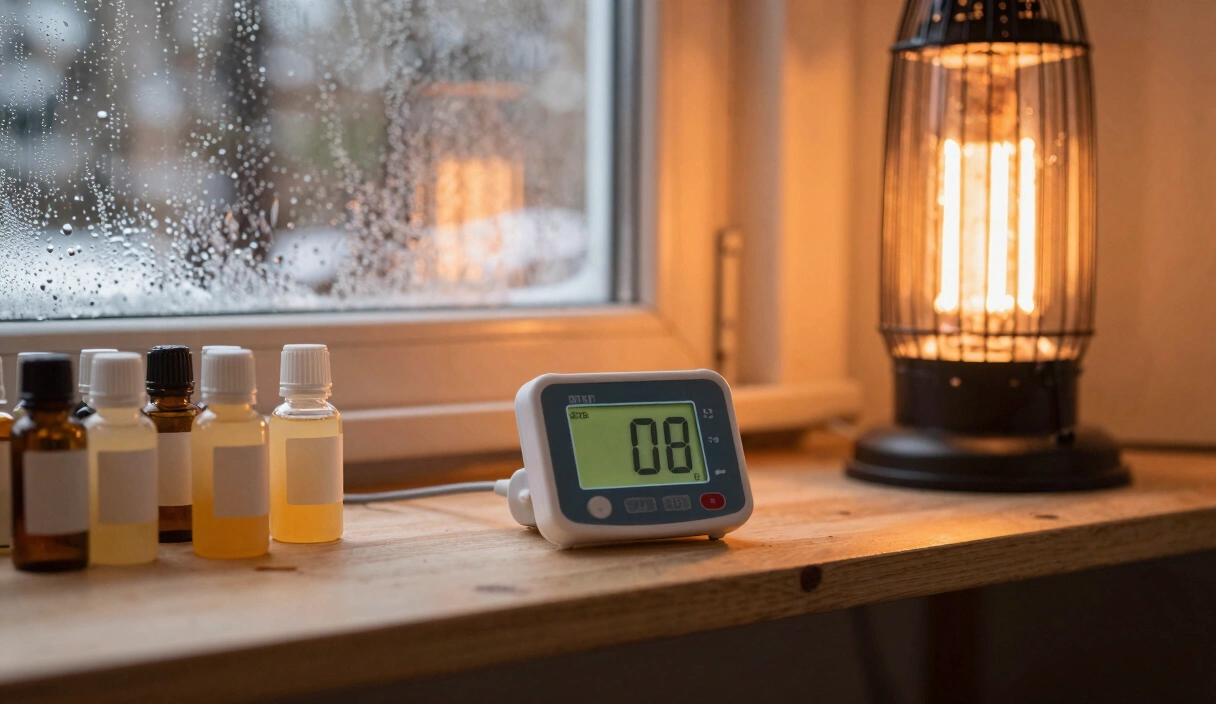
The Frustration: There is nothing more soul-crushing than waiting three days for a pour to “finish” only to find it’s still soft enough to leave fingerprints. I’ve wasted more resin by “guessing” the temperature than I ever did by making actual pouring mistakes. Buy a cheap digital thermometer for your workshop. It costs less than a single ruined batch of resin.
Too Cold: The Sticky, Cloudy Nightmare
When your workshop is too cold, the molecules in the resin move slowly. They struggle to find their partners in the hardener, leading to an incomplete cure. You might end up with “bendy” dice that never fully harden, or worse, “amine blush” — a greasy, sticky film on the surface of your dice that looks like someone wiped them with butter.
I heated my resin bottles in a warm water bath before every pour during that first winter. It was the only way I could get the viscosity low enough to actually stir without creating a million tiny micro-bubbles.
Cold temperatures also make the resin thicker (more viscous). Imagine trying to stir honey versus trying to stir water. Thick, cold resin traps air like a cage, making it nearly impossible for even a pressure pot to do its job perfectly.
If your resin is so thick you could use it as hair gel, it’s too cold. Unless you want dice that look like they were cast in a snowstorm, warm that workshop up.
Too Hot: The Smoke and Flash Cure Disaster
On the flip side, heat can be just as dangerous. Resin curing is an “exothermic” reaction, meaning it generates its own heat as it hardens. If your room is already 90°F (32°C), that reaction can spiral out of control. This is known as a “flash cure” or “exothermic runaway.”
More heat is not always better. While you might want your dice to cure in two hours instead of twenty-four, pushing the temperature too high will ruin your molds and turn your clear resin a sickly shade of yellow.
The Honesty: I’ve seen a cup of resin start smoking because I left it in a sun-drenched windowsill on a July afternoon. It got so hot it actually melted the plastic mixing cup and smelled like a chemical fire. Heat speeds things up, but it also creates stress. If the resin cures too fast, it can shrink and pull away from the mold, leaving you with warped edges and “flash” everywhere.
Practical Tips for Year-Round Temperature Control
You don’t need a professional climate-controlled lab to make good dice, but you do need a strategy.
- The Warm Water Bath: Before you mix, place your sealed resin and hardener bottles in a bowl of warm (not boiling) water for 10-15 minutes. This lowers the viscosity and helps bubbles escape.
- Resin Heat Mats: These are small, low-wattage mats (similar to seedling mats) that you can place under your pressure pot. They keep the resin at a steady 80°F during the first few hours of the cure.
- The “Curing Box”: A simple styrofoam cooler with a small, low-wattage lightbulb or a reptile heater can act as a DIY oven, keeping your dice at the perfect temp regardless of how cold the garage gets.
The soft hum of a space heater in a darkened room, the steady glow of a heat mat, and the smell of warm resin — these are the signs of a workshop that actually knows what it’s doing.
The Satisfaction: There is a specific “ping” sound a d20 makes when you drop it on a glass table if it’s perfectly cured. It’s sharp, crisp, and musical. When you finally dial in your temperature control, every set you demold will make that sound. It’s the sound of a job done right.
FAQ: Common Temperature Troubleshooting
Can I use a hair dryer to speed up curing? Not recommended. Hair dryers provide uneven, blowing heat that can push dust into your resin or cause one side to cure faster than the other, leading to warping. Use a steady ambient heat source instead.
What is the minimum temperature for deep pour resin? Deep pour resins (for river tables or liquid core dice) cure much slower and generate less internal heat. They are even more sensitive to cold. Try to keep them at a rock-solid 75°F (24°C) for the entire 72-hour cure cycle.
Does humidity matter as much as temperature? Yes. High humidity (above 60%) can introduce moisture into the resin, causing cloudiness or “fish eyes” on the surface. If you live in a swampy climate, run a dehumidifier.
Looking Forward: The Future of Temperature Control
As the community grows, we are seeing more specialized tools like dedicated “Resin Curing Stations” that combine UV light, heat, and rotation. While these are great for UV resin, the future for epoxy crafters lies in smart, temperature-controlled pressure pots. Imagine an app on your phone that alerts you if your garage drops below 65°F while your master set is curing.
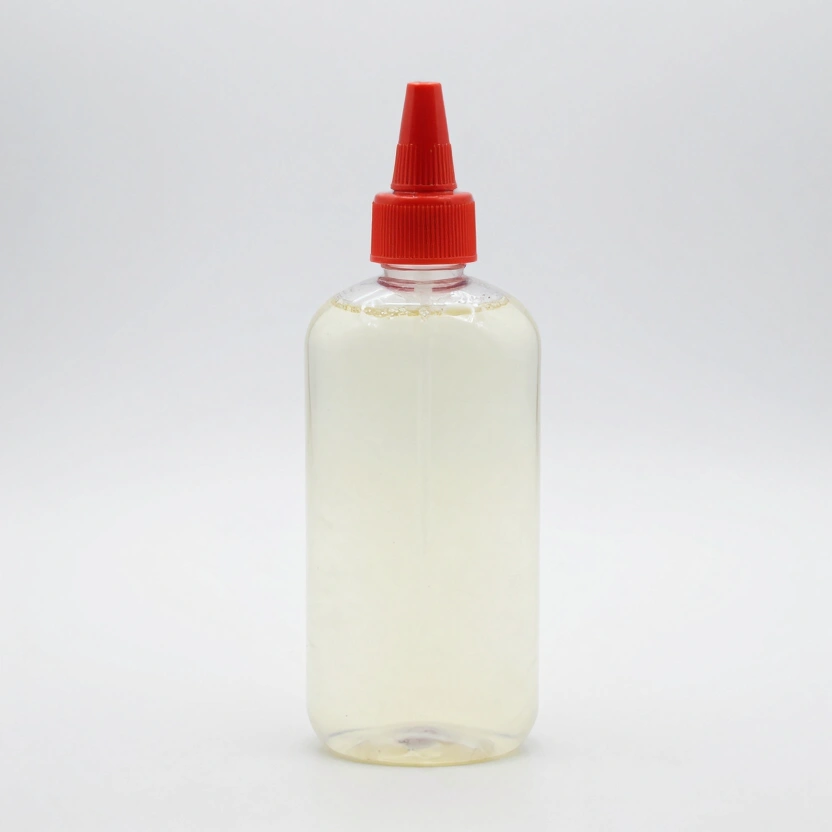
Art 'N Glow Epoxy Resin Kit (32 oz)
Crystal-clear 1:1 mix ratio epoxy. UV resistant, self-leveling. The community favorite for dice casting.
Check Price on Amazon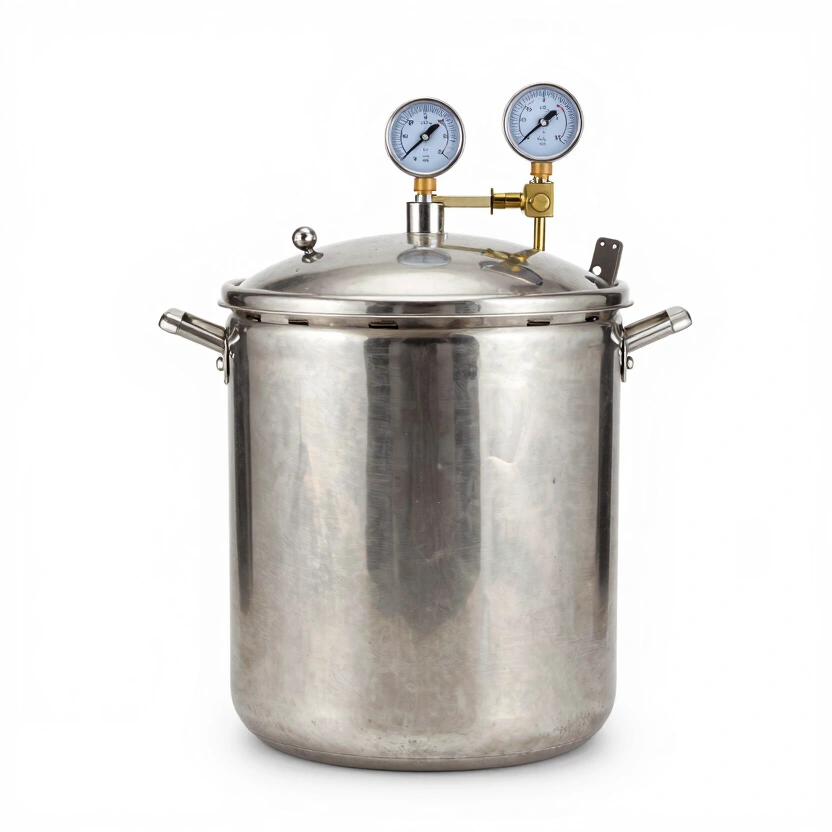
California Air Tools 255C Pressure Pot (2.5 gal)
Purpose-built for resin casting. Coated steel tank, portable. The #1 recommended pressure pot for dice makers.
Check Price on Amazon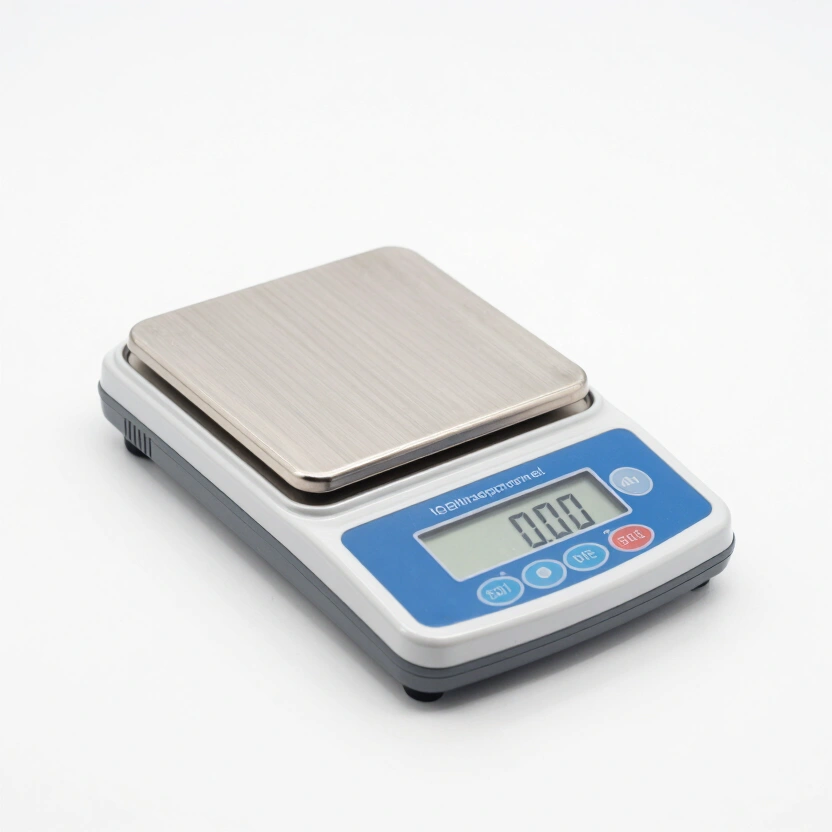
Fuzion Digital Scale (0.01g Precision)
Precise to 0.01g for accurate resin mixing ratios. Tare function, backlit display. Essential for consistent pours.
Check Price on Amazon* Affiliate links. Prices last updated March 6, 2026.
Until those high-tech tools become the standard, stick to the basics: monitor your room, warm your bottles, and never, ever trust a winter garage.
If you are still struggling with your first few sets, take a look at our Troubleshooting Guide for more specific fixes.