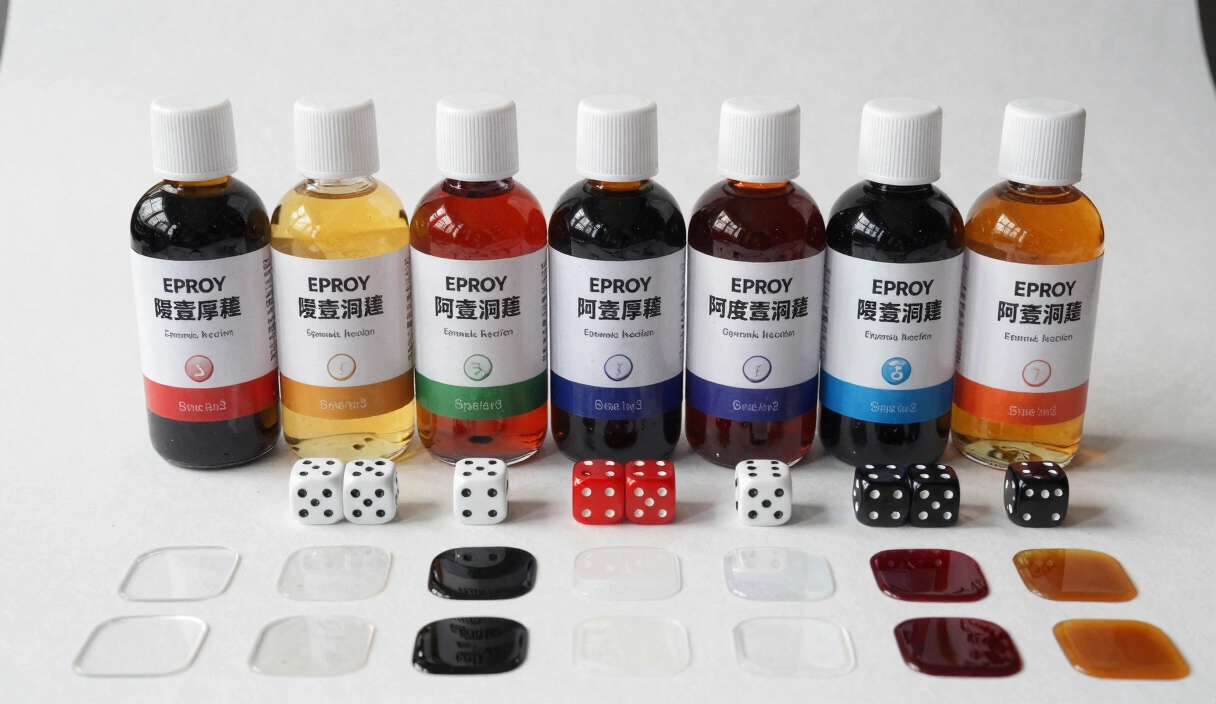
Best Resin for Dice Making: 5 Brands Tested and Ranked
I poured dice with five different resins so you don't waste money guessing. Honest pros, cons, and a clear winner for every budget.
Contents
My first bottle of resin came from a craft store endcap. The label said “crystal clear” and showed a pendant that looked like trapped sunlight. Three pours later, I had fourteen yellow-tinged dice with the surface finish of a gas station ice cube. The resin wasn’t bad for jewelry. It was terrible for dice.
Dice are unforgiving. They need optical clarity through 20mm of solid material, not a thin 3mm bezel. They get handled, rolled, dropped on tables, and held up to light by people specifically looking for flaws. The resin you choose determines whether your dice look professional or homemade — and that distinction starts before you ever open the lid.
What Makes a Good Dice Resin
Not every casting resin works for dice. The requirements are specific, and skipping even one of them shows up in the finished set.
Low viscosity matters because thinner resin releases air bubbles more easily during mixing and pouring. Thick resin traps bubbles like honey traps flies. Even with a pressure pot, starting with fewer bubbles means cleaner results.
Long pot life gives you working time. Pot life is the window between mixing Parts A and B and the resin beginning to gel. For dice, you need enough time to mix, add pigments or inclusions, pour into seven cavities, and get the mold into pressure. Anything under 20 minutes is a sprint. Forty-five minutes is comfortable.
UV stability determines whether your dice stay clear or turn amber over months. All epoxy yellows eventually, but good formulations include UV inhibitors that slow the process dramatically. Cheap resins can start yellowing within weeks. Quality resins hold for a year or more before you notice any shift.
Low shrinkage keeps your faces flat and your numbers legible. High-shrinkage resins pull away from mold walls during curing, creating concave faces or distorted edges. For a D20 with twenty small faces, even minor shrinkage becomes visible.
Crystal clarity is the whole point. You’re making dice that people pick up and stare into. Haze, micro-bubbles, or a faint milky tint ruin the effect. True water-white clarity is non-negotiable for transparent or translucent sets.
Maker’s Note: I used to think all 1:1 epoxy resins were basically the same. They are not. The difference between a $25 bottle and a $40 bottle often comes down to UV stabilizers and viscosity — the two things that matter most for dice and the two things you can’t fix after the pour.
Unicone Art Resin — The Community Favorite
If you’ve spent any time on r/DiceMaking or watched CritMaker’s tutorials, you’ve seen Unicone Art recommended constantly. There’s a reason for that: it just works.
Mix ratio: 1:1 by volume. Foolproof measuring.
Pot life: 45 minutes. Plenty of time to mix, color, pour a full set, and get everything into the pressure pot without rushing.
Cure time: Demolding at 24 hours, full cure at 72 hours. I’ve found the sweet spot for curing temperature is around 75°F — warm enough for smooth curing without accelerating the reaction into trouble.
Clarity: Exceptional. Water-white transparency with no visible haze. This is the resin where you can embed a tiny scroll inside a D20 and actually read the text through the die.
Shrinkage: Minimal. Faces stay flat, edges stay crisp.
Price: Around $40 for a 16 oz kit (8 oz Part A, 8 oz Part B). That’s roughly enough for two full 7-die sets with careful pouring.
I’ve poured well over a hundred sets with Unicone Art. The consistency batch to batch is remarkably stable — same viscosity, same working time, same clarity. You stop thinking about the resin and start thinking about your designs, which is exactly where your attention should be.
Pros:
- Best clarity available at this price point
- 45-minute pot life is generous and forgiving
- Low viscosity reduces bubbles before pressurizing
- Strong UV stability — holds color for months
Cons:
- Higher price per ounce than budget options
- 24-hour minimum cure means slower production cycles
- Occasionally out of stock due to demand
Art ‘N Glow — The Budget-Friendly Option
Art ‘N Glow lands on every beginner shopping list because the price is right and it’s available on Amazon with next-day shipping. For the cost of learning, that matters.
Mix ratio: 1:1 by volume.
Pot life: Around 40 minutes, though it starts thickening noticeably at the 30-minute mark.
Cure time: Soft demold at 24 hours, but the resin is still flexible. True full cure takes 72 hours. Pulling dice too early results in warped faces and soft edges that dent during sanding.
Clarity: Good but not great. There’s a faint warmth to the cured resin — not yellow exactly, but not the water-white clarity you get from Unicone. In opaque or heavily pigmented dice, this doesn’t matter. In clear or lightly tinted sets, you’ll notice.
Viscosity: Noticeably thicker than Unicone. This means more bubbles get trapped during mixing, and they’re harder to release. A pressure pot is even more essential here than usual. Without one, Art ‘N Glow dice look foggy.
Price: Around $25 for a 16 oz kit. That’s significant savings if you’re pouring practice sets.
Scene: You’re at the kitchen table, first-ever dice pour, hands shaking slightly, resin dripping down the side of your mixing cup. This is the moment where a $25 bottle makes sense. You’re going to make mistakes — over-pour a cavity, forget to spray mold release, maybe knock the whole mold off the table. Learn cheap. Upgrade later.
Pros:
- Lowest price for a name-brand dice resin
- Widely available, fast shipping
- Perfectly fine for opaque dice and practice pours
- Forgiving mix ratio
Cons:
- Thicker viscosity means more bubbles
- Slight warm tint affects clear pours
- 72-hour full cure is slow
- Surface hardness after full cure is softer than Unicone — more prone to scratching during sanding
Alumilite Amazing Clear Cast — The Fast Cure Option
Alumilite occupies a specific niche: makers who need speed. If you’re producing dice for sale and batch cycling matters, the math on Alumilite gets interesting.
Mix ratio: 1:1 by volume.
Pot life: 7 minutes. Read that again. Seven minutes from the moment you combine parts to the resin beginning to gel.
That’s not a typo, and it’s not a dealbreaker — but it does change your entire workflow. You mix, pour, and pressurize with zero hesitation. No fussing with inclusions. No layered pours for color effects. You pick your pigment, stir for 60 seconds, pour fast, seal the pot, and walk away.
Cure time: Demolding at 15-30 minutes in warm conditions. Full hardness in a few hours. This means you can cycle a pressure pot three or four times in a single evening session.
Clarity: Good. Not quite Unicone-level water-white, but close. The fast cure chemistry tends to trap more micro-bubbles, so pressure is absolutely mandatory.
Price: Around $20-25 for a 16 oz kit.
Here’s the honest part: Alumilite yellows faster than the slower-curing options. The UV stability is noticeably weaker. Clear dice poured in Alumilite can develop a visible amber shift within a few months, especially if displayed near a window. For opaque dice, this doesn’t matter. For that crystal-clear set meant to sit on a shelf catching light? Consider yellowing prevention strategies or choose a different resin entirely.
Pros:
- Fastest cure time available — demolding in under an hour
- Great for production batching
- Good clarity when pressurized
- Competitive price
Cons:
- 7-minute pot life eliminates complex techniques
- Yellows faster than slower-curing resins
- Not ideal for clear or lightly tinted sets meant for long-term display
- Exothermic reaction is more aggressive — thicker pours run hotter
Teexpert and Generic Amazon Resins — Why You Get What You Pay For
Search “epoxy resin” on Amazon and you’ll find dozens of brands you’ve never heard of, priced at $15-18 for 16 oz. Teexpert is the most common, but there are countless others with names that seem to change quarterly.
I’ve tried four of these generic options across different batches. The results were inconsistent in a way that made troubleshooting impossible.
Batch one of a Teexpert kit poured fine — decent clarity, reasonable cure. Batch two of the same product, ordered a month later, had noticeably different viscosity and cured with a slight tackiness on the surface. Same ratio, same technique, same curing environment. The resin itself had changed.
That inconsistency is the real problem. When your resin behaves differently between bottles, you can’t tell whether a failed pour was your fault or the product’s fault. You can’t improve because you can’t isolate variables. Every session becomes a coin flip.
Data Point: I tracked 20 pours across two Teexpert kits and one unbranded Amazon resin. The defect rate — sticky spots, uneven cure, visible haze, or tacky surfaces — was 35%. With Unicone Art over the same number of pours: 5%, all attributable to my own measuring errors.
If you’re practicing pours on throwaway sets and genuinely don’t care about the outcome, these work often enough. But the savings evaporate when you’re tossing one in three sets into the reject bin.
Pros:
- Cheapest option per ounce
- Available everywhere
- Sometimes you get a good batch
Cons:
- Inconsistent quality between batches
- Higher defect rates
- Weaker UV stability
- Troubleshooting becomes guesswork
UV Resin — For Sealing and Repairs Only
UV resin cures in minutes under a UV lamp or sunlight. It’s tempting to imagine skipping the 24-hour wait entirely. But UV resin has a fundamental limitation for dice: light can’t penetrate deep enough to cure the interior of a solid pour.
UV resin cures from the outside in, and only where light reaches. A thin surface coat — 1-2mm — cures perfectly. A 16mm D6? The center stays liquid. You’d need to pour in paper-thin layers, curing each one individually. For a single die, that’s dozens of layers and hours of tedious work.
The cost kills the idea even faster. UV resin runs $8-15 per ounce. A full 7-die set requires roughly 4-6 oz of resin. At UV resin prices, a single set costs $30-90 in material alone, compared to $5-8 with epoxy.
Where UV resin excels: sealing number fills after inking, repairing small surface chips, and coating inclusions to prevent moisture from clouding your pour. Keep a small bottle for finishing work. Don’t try to pour dice with it.
Pros:
- Instant cure for thin applications
- Excellent for number sealing and small repairs
- No mixing required
Cons:
- Cannot cure through solid dice thickness
- Prohibitively expensive per volume
- Layer-by-layer approach is impractical
- Not a substitute for casting epoxy
Resin Comparison Table
| Feature | Unicone Art | Art ‘N Glow | Alumilite Amazing Clear Cast | Teexpert / Generic | UV Resin |
|---|---|---|---|---|---|
| Price (16 oz) | ~$40 | ~$25 | ~$20-25 | ~$15-18 | ~$8-15/oz |
| Mix Ratio | 1:1 | 1:1 | 1:1 | 1:1 | No mix |
| Pot Life | 45 min | 40 min | 7 min | 30-45 min | N/A |
| Demold Time | 24 hours | 24 hours (soft) | 15-30 min | 24-48 hours | 2-5 min (surface) |
| Full Cure | 72 hours | 72 hours | 2-4 hours | 48-72 hours | N/A |
| Viscosity | Low | Medium | Low-Medium | Varies | High |
| Clarity | Excellent | Good | Good | Inconsistent | Excellent (thin) |
| UV Stability | Strong | Moderate | Weak | Weak | Strong |
| Best For | All dice types | Budget/practice | Production speed | Throwaway practice | Sealing/repairs |
The Verdict: Unicone Art Wins
I’ll be direct. If you’re making dice you plan to keep, give away, or sell, pour Unicone Art. The 45-minute pot life, water-white clarity, and batch-to-batch consistency make it the best resin for dice making at any skill level.
The $15 premium over Art ‘N Glow pays for itself immediately. You waste less resin on failed pours. You spend less time wondering whether the problem is your technique or your materials. You demold dice that actually look finished instead of dice that need excuses.
That said, here’s how I’d match resin to situation:
- Learning your first pours: Art ‘N Glow. Cheap enough to waste without guilt.
- Making dice you’re proud of: Unicone Art. Every time.
- Running a small business: Unicone Art for clear and translucent sets, Alumilite Amazing Clear Cast for opaque production runs where cycle speed matters.
- Sealing and touch-ups: A small bottle of UV resin.
If your dice are coming out with persistent problems — sticky surfaces, yellowing, haze — the resin may be the variable you haven’t questioned yet. Switching brands has solved more “technique” problems than most makers want to admit.
Start with a single Unicone Art kit, a good set of silicone molds, and a pressure pot. Pour one set. Hold the finished D20 up to a window and look through it. That clarity — no haze, no bubbles, no amber tint — is what separates resin that works from resin that almost works. Once you’ve seen it, you won’t want to go back.
Top Resins for Dice Casting
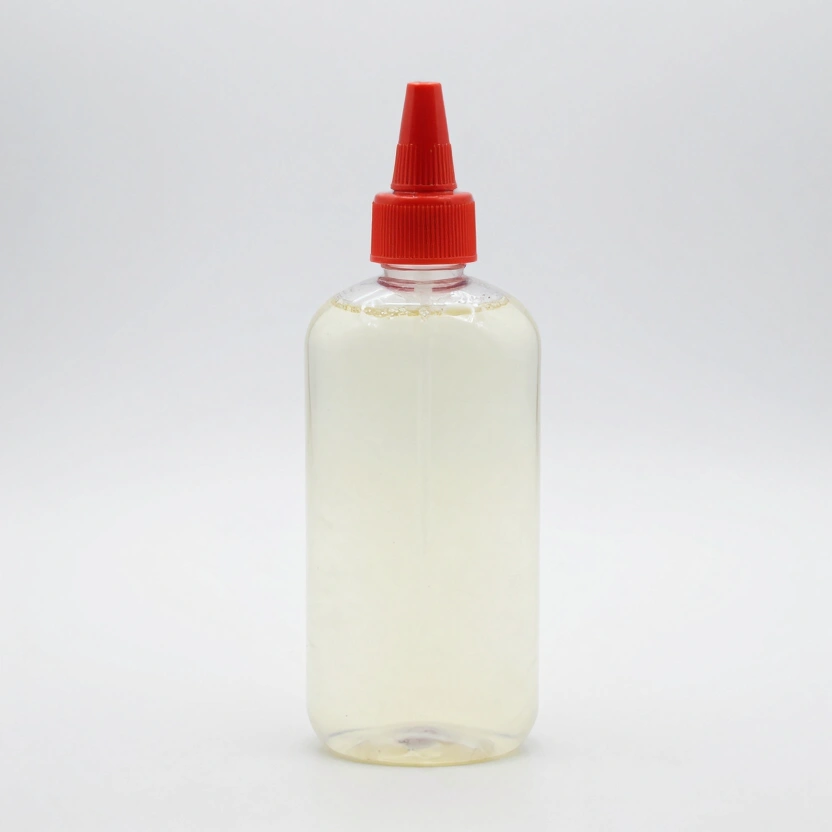
Art 'N Glow Epoxy Resin Kit (32 oz)
Crystal-clear 1:1 mix ratio epoxy. UV resistant, self-leveling. The community favorite for dice casting.
Check Price on Amazon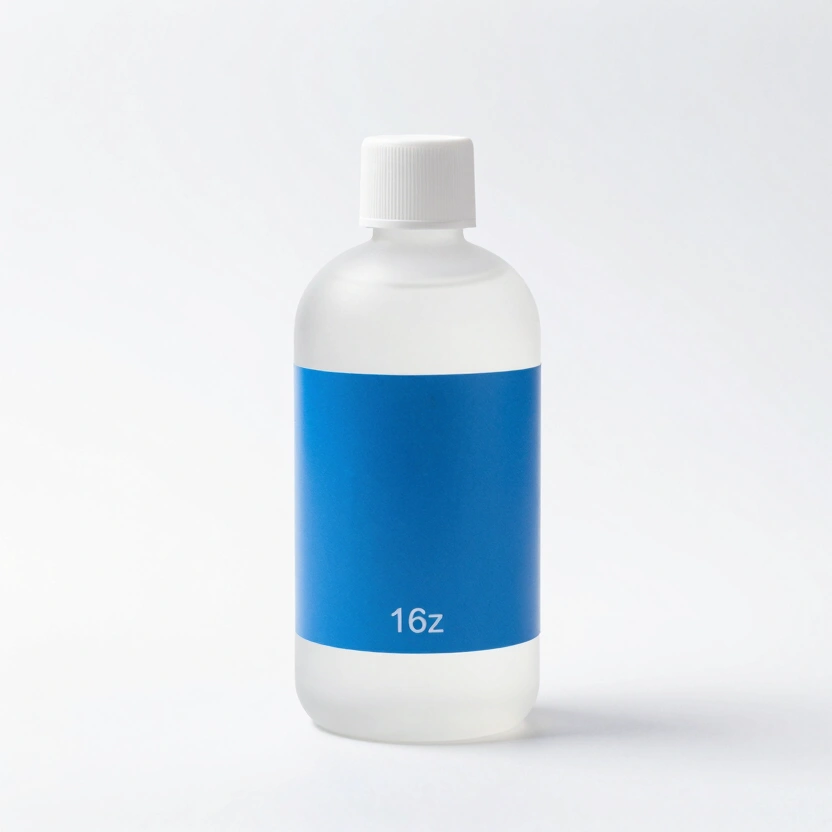
LET'S RESIN Crystal Clear Epoxy (34 oz)
Bubble-free, low odor casting resin. Anti-yellowing formula. Great for beginners, easy 1:1 ratio.
Check Price on Amazon* Affiliate links. Prices last updated March 6, 2026.
FAQ
How much resin do I need for a full 7-die set? A standard polyhedral set (D4, D6, D8, D10, D10 percentile, D12, D20) requires roughly 4-6 oz of mixed resin, depending on mold cavity size and how much you lose to overflow and sprues. A 16 oz kit gives you enough for two sets with a small margin. Buy the larger kit if available — running short mid-pour is not recoverable.
Can I mix resin brands together? No. Different brands use different chemical formulations, hardener ratios, and cure catalysts. Mixing Part A from one brand with Part B from another will result in resin that either never fully cures, cures unevenly, or produces a sticky, unusable mess. Stick to matched sets from the same manufacturer and the same product line.
Why are my clear dice turning yellow? All epoxy resin yellows over time — it’s a chemical reaction with UV light called photooxidation. Cheaper resins with fewer UV stabilizers yellow faster, sometimes within weeks. Higher-quality resins like Unicone Art resist yellowing for months. To slow the process further, store finished dice away from direct sunlight and consider a UV-resistant topcoat. See our full guide on resin yellowing prevention.
Is more expensive resin always better for dice? Not automatically, but within the $15-40 range for casting epoxy, price correlates strongly with clarity, UV stability, and batch consistency. The jump from a $15 generic to a $40 Unicone Art is dramatic. The jump from $40 to a $70 specialty resin is marginal. Spend enough to get quality. Don’t chase diminishing returns.
Every resin on this list will technically produce dice. Epoxy is epoxy — it pours, it cures, it makes a solid shape. But the gap between “a solid shape” and “a die someone picks up and doesn’t want to put down” lives in those details: the clarity, the surface hardness, the way light passes through without scattering. That gap is worth $15. Start with the best resin you can afford, pair it with the right technique, and your dice will show the difference before you ever explain it.
Related Articles
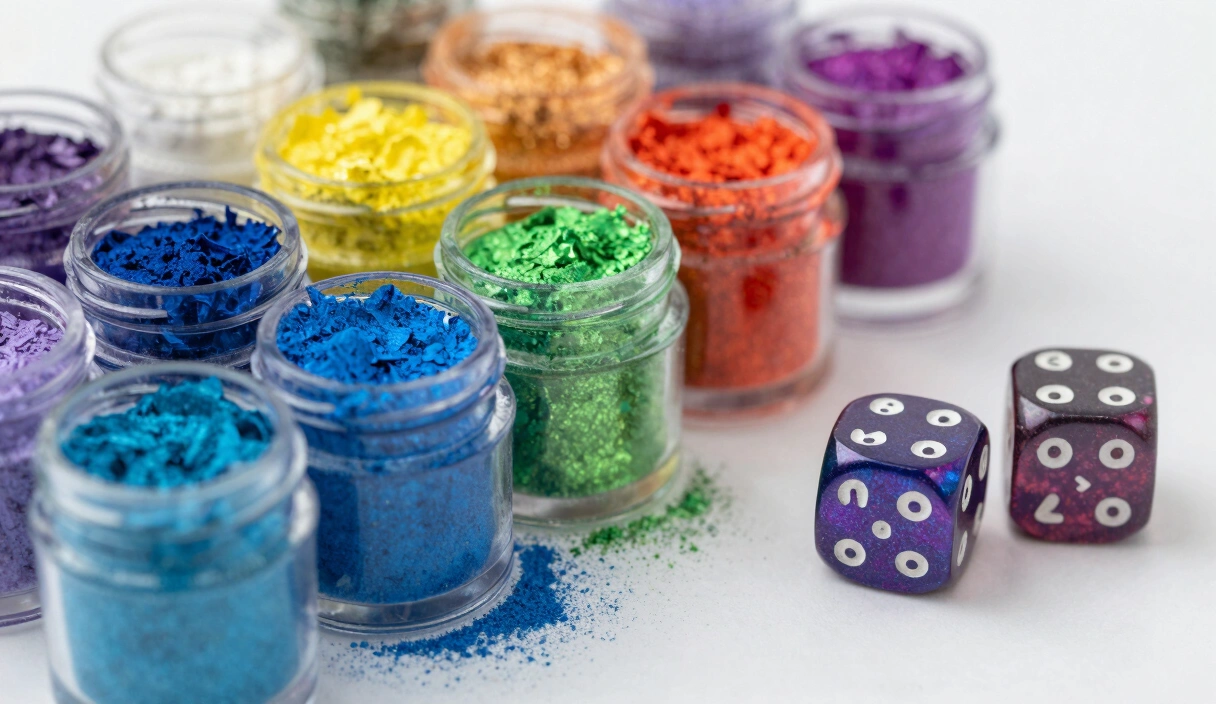
Best Mica Powder for Resin Dice: 4 Brands Tested Side by Side
Tested four mica powder brands in resin dice pours. Honest comparison of particle size, color range, and value so you pick the right one first.
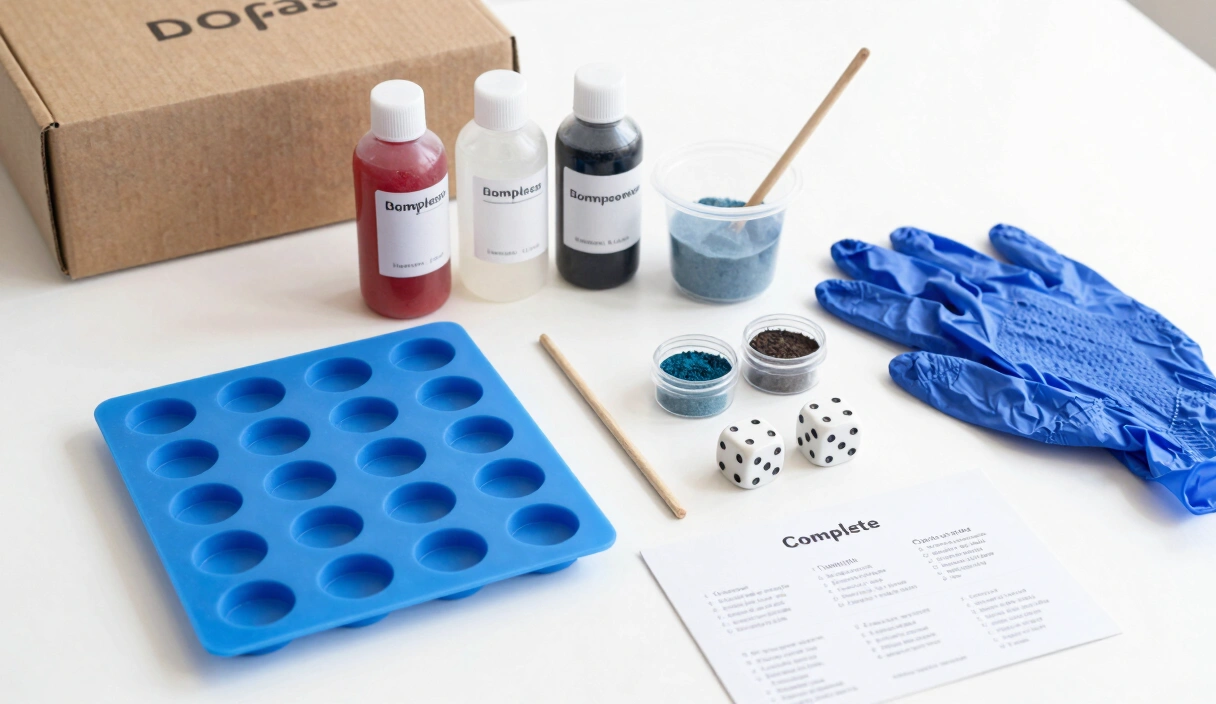
Dice Making Kits: Why Most Are a Waste of Money (and the One Exception)
Most dice making kits sell you $15 of supplies in a pretty box for $50. Here's what they leave out, what to buy instead, and the one time a kit actually makes sense.
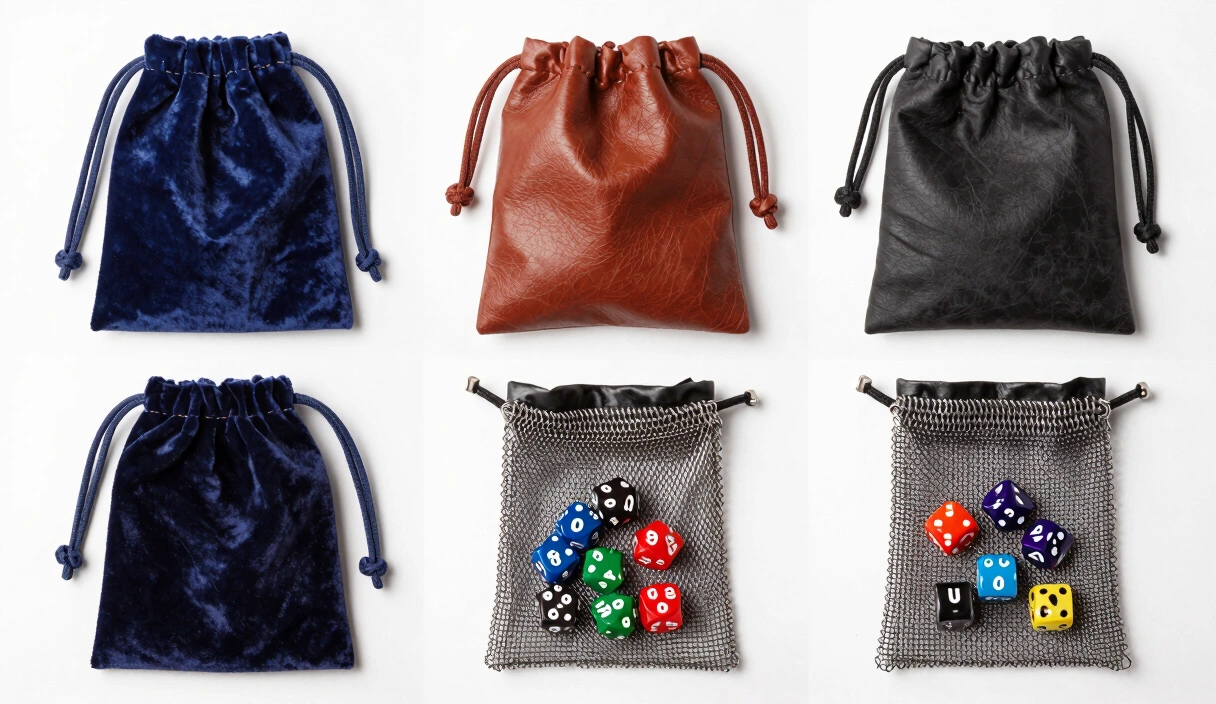
Best Dice Bags: From Crown Royal Pouches to Custom Leather
Comparing drawstring pouches, segmented bags, roll-ups, and hard cases for dice storage. Real picks with prices, plus a 30-minute DIY dice bag tutorial.