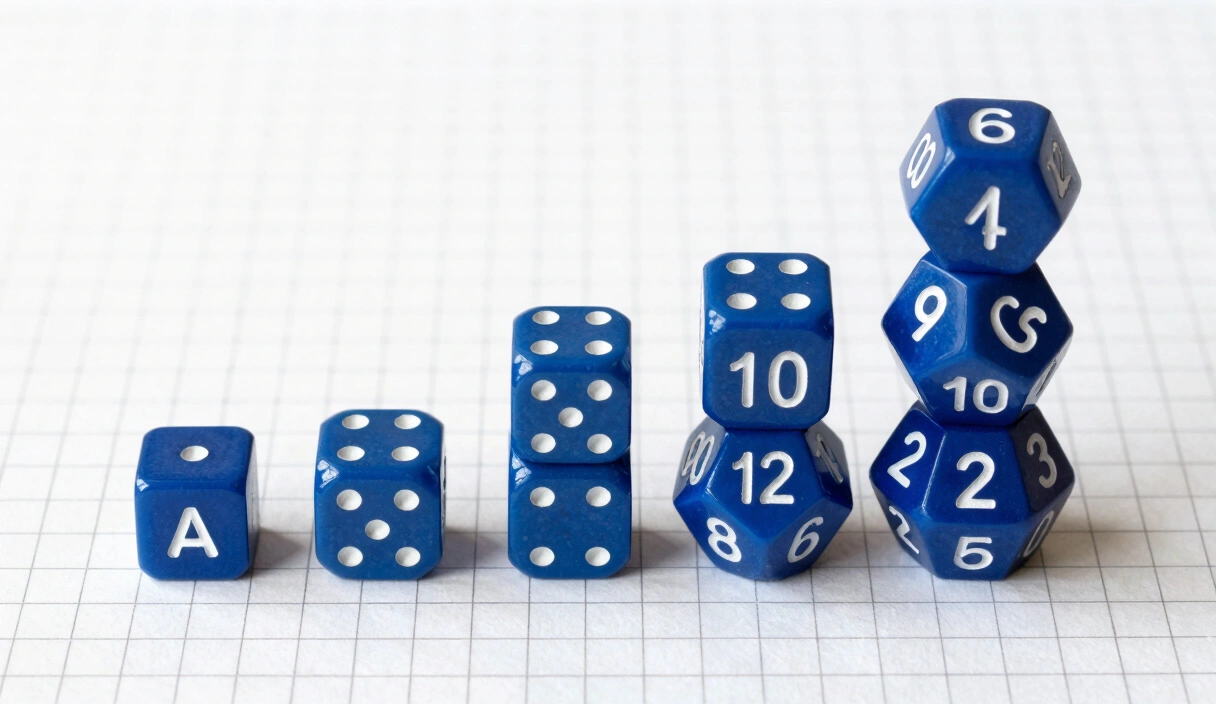
Polyhedral Dice Sets: What's Inside, What to Buy, and Why It Matters
A 7-piece polyhedral dice set holds 7 distinct shapes. We compare materials, brands, and price tiers with real data to help you pick the right set.
Contents
You crack open the plastic clamshell, tilt it toward the table, and seven dice tumble out — clicking against each other like little gemstones finding their places. One has four faces. One has twenty. And somewhere in the middle sits a pair of ten-siders that look nearly identical but do very different jobs. If you’ve never held a polyhedral dice set before, that first handful feels like picking up the keys to a new hobby. If you’ve held dozens of sets, it still feels good.
This is what you’re actually getting, what the materials are worth, and how to tell a quality set from a pretty-looking disappointment.
What’s in a Polyhedral Dice Set
A standard polyhedral dice set contains seven dice. Not six, not eight — seven. Each one maps to a specific function in Dungeons & Dragons and most other tabletop RPGs. Here’s the breakdown.
d4 — The Caltrop
Four triangular faces. Used for small damage rolls like daggers (1d4) and Magic Missile (1d4+1 per dart). It sits flat on a face and points the result upward or along the base edge, depending on numbering style. Step on one barefoot and you’ll understand why the community calls it a caltrop.
d6 — The One You Already Know
Six square faces. This is the standard cube from board games, but in TTRPG context it handles Fireballs (8d6), Sneak Attack damage, and hit points for several character classes. You’ll want extras of this one — more on that later.
d8 — The Octahedron
Eight triangular faces forming a diamond shape. Covers longsword damage (1d8), several healing spells like Cure Wounds, and Hit Dice for clerics and rogues.
d10 — The Workhorse and Its Percentile Twin
Two dice in the set are d10s. The standard d10 is numbered 0–9 and handles damage for weapons like halberds (1d10) and the Firebolt cantrip. The percentile d10 is numbered 00–90 in increments of ten. Roll both together and you get a percentile result from 1 to 100 — used for random encounter tables, loot rolls, and Wild Magic surges.
New players confuse these two constantly. The percentile die is the one with two-digit numbers. If you roll 70 on the percentile and 3 on the standard d10, that’s 73.
d12 — The Underappreciated One
Twelve pentagonal faces. Primarily used for greataxe damage (1d12) and barbarian Hit Dice. It doesn’t get rolled as often as the d20 or d6, but when it does, the stakes tend to be high.
d20 — The Main Character
Twenty triangular faces arranged into an icosahedron. Every attack roll, saving throw, and ability check in D&D starts here. This is the die you’ll roll most often, the one you’ll develop superstitions about, and the one whose quality matters the most. A natural 20 on a well-balanced d20 hits different than on a lopsided one.
Materials Compared: Acrylic, Resin, Metal, and Gemstone
Not all polyhedral sets are made from the same stuff, and the material determines far more than appearance. Here’s a direct comparison based on the four most common categories.
Acrylic (Plastic)
Price range: $5–15 per set | Weight: ~28 grams per set | Durability: High
Injection-molded acrylic is what Chessex, HDdice, and most mass-market brands use. The process is fast and cheap, which keeps prices low. Edges are typically tumbled smooth in a factory drum, giving them that rounded feel. Acrylic holds up to years of play — I’ve seen Chessex sets survive a decade of weekly sessions with only the number inking wearing down.
The tradeoff is weight. Acrylic dice feel hollow compared to resin or metal. Some players don’t care. Others find it hard to go back once they’ve felt something heavier.
Resin
Price range: $15–60 per set | Weight: ~36 grams per set | Durability: Moderate
Resin dice are cast in silicone molds, often by hand for artisan sets. This is where sharp edges, custom inclusions (flowers, gears, tiny skulls), and layered color work live. The material is denser than acrylic, giving each die a satisfying heft without the table-denting weight of metal.
The downside: resin is softer than acrylic. Sharp edges can chip if you’re rolling on a hard surface without a tray. Artisan resin sets also vary in quality — a skilled maker produces crisp faces and balanced geometry, while a rushed job gives you visible mold lines and faces that aren’t quite flat. If you’re curious about how resin dice are actually made, the process is more involved than most people expect — here’s a walkthrough of the full method.
Metal
Price range: $15–80 per set | Weight: ~115 grams per set | Durability: Very high
Metal dice are typically zinc alloy, sometimes brass or aluminum, occasionally copper. They feel substantial — a metal d20 weighs roughly four times what an acrylic one does. The roll is shorter and heavier, with a distinctive clunk that either thrills you or annoys everyone else at the table.
Metal dice will outlast you. They don’t chip, crack, or degrade. They will, however, damage wooden tables, scratch acrylic trays, and leave dents in things you didn’t want dented. A dice tray is mandatory, not optional.
A single zinc alloy d4 weighs about 15 grams. Drop it on a glass table from rolling height and you’ll learn why metal dice players always bring a rolling tray.
Gemstone
Price range: $40–200+ per set | Weight: Varies by stone | Durability: Low to moderate
Amethyst, obsidian, rose quartz, tiger’s eye — gemstone dice are carved from actual mineral specimens. They are beautiful, and they feel like holding something ancient. The weight varies by stone type. Amethyst runs slightly lighter than metal; obsidian is denser.
The reality check: gemstone dice are fragile. A drop onto a hard floor can crack a die. The edges are often softer than machined resin, and the carved number fill can wear over time. These are display-and-careful-use sets, not your weekly campaign workhorses.
Best Polyhedral Sets by Budget
Picking specific sets saves time and bad purchases. Here’s what I’d recommend at each price tier, based on what I’ve handled and what the TTRPG community consistently rates well. For a deeper comparison focused specifically on D&D play, check our full ranked guide.
$5–15: The Starter Tier
Pick: Chessex Gemini series ($8–10). Consistent quality, readable numbers, 30+ color combinations. These have been the default recommendation in the hobby for good reason. If you’re equipping a whole table on a budget, HDdice bulk packs bring the per-set cost to around $3, with slightly lower quality control.
$15–40: The Sweet Spot
Pick: Die Hard Dice Avalore series ($18–25). Resin construction with genuinely sharp edges, good number contrast, and a metal storage tin included. This is where you start getting the feel and craftsmanship that makes dice collecting addictive.
Runner-up: Haxtec metal dice ($18–22). If you want metal on a mid-range budget, Haxtec offers zinc alloy sets with enamel number fill at a price point that undercuts most competitors by $10–20.
$40–80: The Enthusiast Tier
Pick: Kraken Dice signature resin line ($35–55). Layered colors, sharp edges, consistent balance. Kraken’s quality control at this tier is reliable.
Pick: Easy Roller Co. gunmetal series ($40–50). Heavy brass alloy with a dark finish. These are the sets that get compliments across the table.
$80+: The Collector Tier
Pick: Level Up Dice gemstone sets ($80–140). Amethyst, labradorite, obsidian — actual stone, well-carved, with a fitted case. These are the sets you display between sessions.
Pick: Artisan resin from established makers ($80–200+). Commissioning custom resin dice from known artisans like Dispel Dice or Heartbeat Dice gets you one-of-a-kind inclusions, hand-polished edges, and designs you won’t see at anyone else’s table.
How to Spot Quality in a Polyhedral Set
Price doesn’t always equal quality. Here’s what to actually check before you buy — or once the package arrives.
Sharp Edges vs. Tumbled
Run your finger along the edge where two faces meet. Factory-tumbled dice have rounded, soft edges — fine for play, but they affect roll randomness slightly and look less crisp. Sharp-edged dice have a clean, defined transition between faces. Sharp edges are the standard for resin artisan sets and a mark of quality in any material.
Number Readability
Can you read the numbers from across the table in average lighting? Cheap sets sometimes use low-contrast inking — dark purple numbers on a black die, for example. The best sets use contrasting paint or enamel fill that stays legible even in the dim lighting of a basement game room.
Balance
A truly balanced d20 should show no strong bias toward any face over hundreds of rolls. The saltwater float test is the quickest home method — drop a die in saturated saltwater, flick it, and see if it consistently lands on the same face. No consumer die is perfectly balanced, but severe bias is detectable and worth knowing about.
Mold Lines and Air Pockets
Visible seam lines where mold halves met during casting are a sign of sloppy finishing. On resin dice, look also for tiny surface pits or air bubbles near the edges. These don’t affect play much, but at $40+ per set, you shouldn’t be finding them.
Extra Dice Worth Adding to Your Set
A single 7-piece set covers the basics, but D&D math frequently demands more.
Extra d6 Sets
Fireball deals 8d6 damage at base level. Sneak Attack at higher levels can reach 10d6. Rolling one d6 eight times is slow and tedious — just get a brick of extra d6s. Chessex sells 12-packs of matching d6s for around $5. Your spellcasters will thank you.
Grab 10 extra d6s at minimum. I’ve been at tables where the wizard’s Fireball took three minutes because they were rerolling a single die. Nobody wants that.
Extra d20 for Advantage
Fifth Edition’s advantage/disadvantage system has you rolling two d20s and taking the higher or lower result. You can roll one twice, sure. Or you can grab a second d20 — ideally matching — and roll both at once. It speeds up play and feels dramatically better.
d6 + d8 Healing Sets
If you’re playing a cleric or paladin, Cure Wounds and other healing spells scale with level and call for varying combinations of d6s and d8s. Having three or four of each on hand prevents mid-combat searching through your dice bag.
Storing and Displaying Your Collection
Once you own more than two or three sets — and you will — storage becomes a real consideration.
Dice Bags
The classic drawstring pouch. Leather or heavy fabric bags run $5–15 and hold 2–4 sets comfortably. They’re portable and functional. The downside is organization: everything mixes together, and finding the right set mid-session means dumping the whole bag.
Dice Vaults and Boxes
Rigid cases with foam inserts or individual compartments. Die Hard Dice and Metallic Dice Company both sell magnetic-close vaults that hold a single set in padded slots. These protect gemstone and sharp-edged resin sets from contact damage. Expect to pay $12–25 per vault.
Rolling Trays
A rolling tray isn’t just for show. A hexagonal or rectangular tray with padded sides contains your rolls, protects the table surface (critical with metal dice), and keeps dice from flying off the edge. Good trays start around $15 for folding leatherette styles. If you’re handy, a DIY dice tower pairs well with a tray for the full contained setup.
Display Shelves and Cases
For collectors, wall-mounted shadow boxes or tiered display stands let you show off your sets between sessions. A $20 shot glass display case from a craft store fits polyhedral sets surprisingly well — each compartment holds exactly one 7-piece set.
Dice Accessories
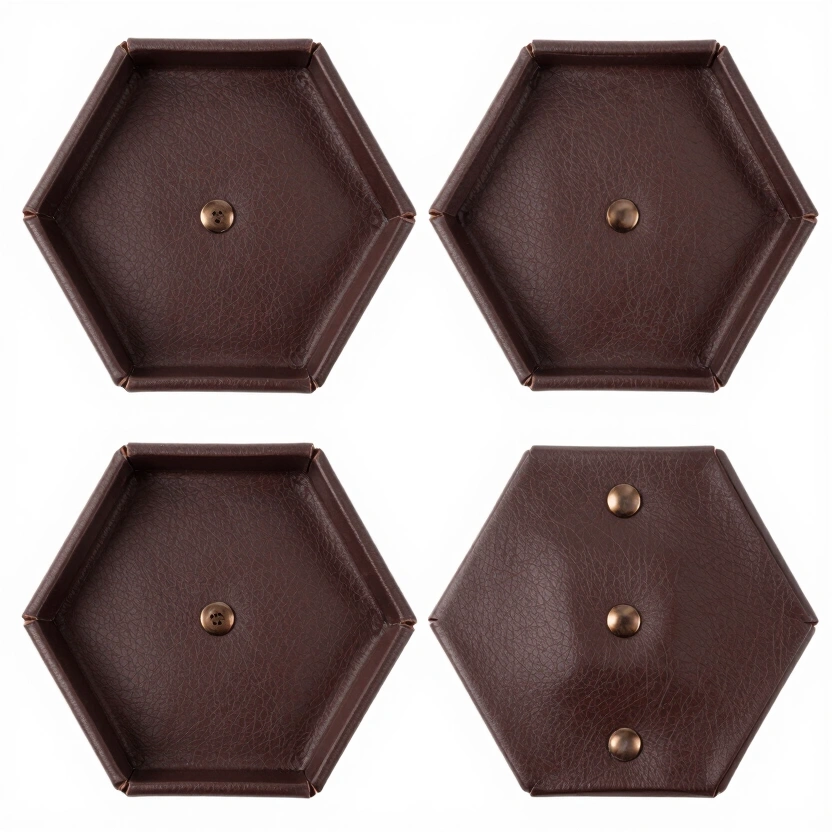
Folding Leather Dice Tray (Hexagonal)
Premium PU leather dice tray. Snaps flat for storage. Protects dice and tables during play.
Check Price on Amazon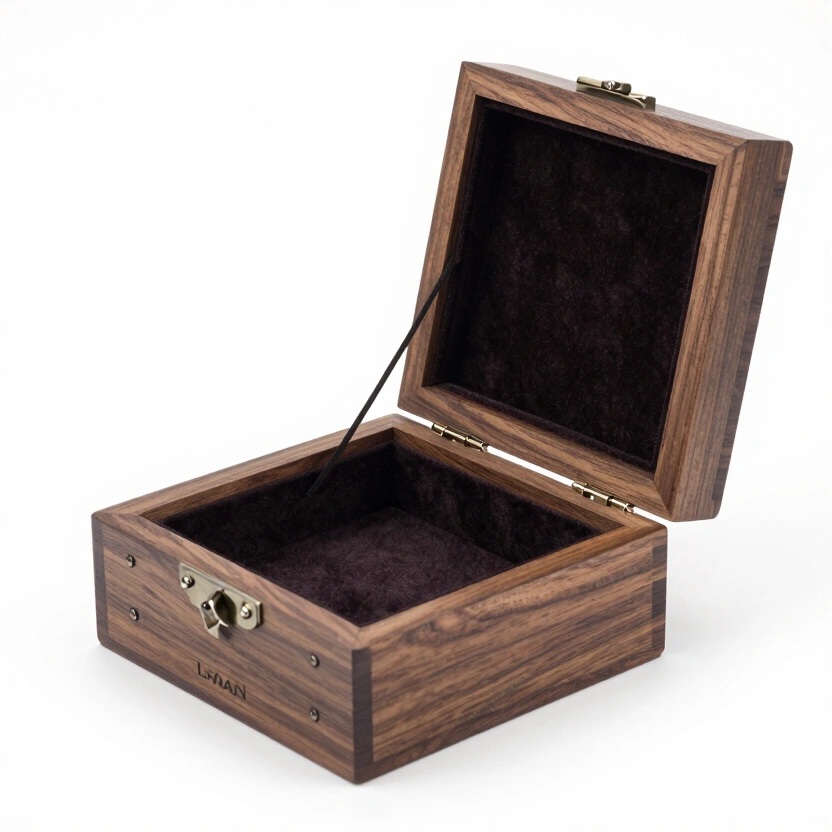
Treasure Chest Dice Box (Resin Mold Compatible)
Snap-lock treasure chest for dice storage. Also available as a resin casting mold to make your own.
Check Price on Amazon* Affiliate links. Prices last updated March 6, 2026.
Frequently Asked Questions
How many dice come in a standard polyhedral set?
Seven. A standard polyhedral dice set includes one each of: d4, d6, d8, d10, d10 percentile (numbered 00–90), d12, and d20. This configuration has been the TTRPG standard since the early days of Dungeons & Dragons, and virtually every manufacturer follows it.
Are metal dice balanced enough for fair play?
Most zinc alloy dice from reputable brands (Die Hard Dice, Easy Roller, Haxtec) are balanced within acceptable tolerances for tabletop play. They’re not casino-grade precision instruments, but no consumer polyhedral dice are. The saltwater float test can reveal significant bias if you’re concerned — here’s how to run it.
Do I need expensive dice to play D&D?
No. An $8 Chessex set will handle every roll the game asks of you. Premium dice change how rolling feels — heavier, crisper, more satisfying in the hand — but they don’t change the math. Buy what fits your budget and upgrade later if the hobby sticks.
What’s the difference between sharp-edge and round-edge polyhedral dice?
Sharp-edge dice have clean, defined edges where faces meet, typically achieved through hand-finishing or careful mold work. Round-edge (tumbled) dice have been smoothed in a rotating drum after casting, which softens the edges for comfort and speeds up mass production. Sharp-edge sets tend to be more random in their rolls and are preferred by collectors, while tumbled sets are cheaper, more durable, and perfectly functional for play.
Seven dice. That’s all it takes to start. Pick them up, feel the weight, learn which shape does what — and then, inevitably, start thinking about your next set. The clamshell package gets easier to open with practice.
Related Articles
Best Dice for DnD: Honest Picks After Testing 40+ Sets
Most 'best dice' lists are just affiliate dumps. I bought 40+ sets with my own money and ranked them by what actually matters at the table.
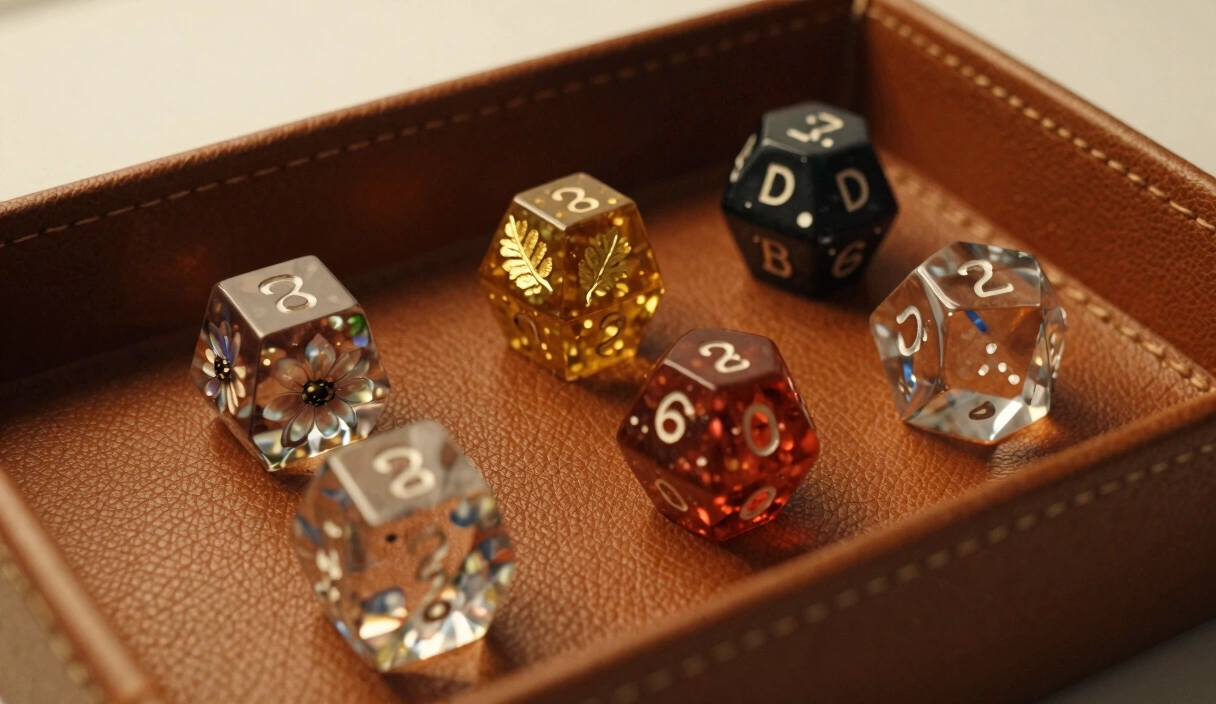
Custom DnD Dice: Where to Buy, What to Pay, and When to DIY
Most 'custom' dice on Etsy are just resin pours in your favorite color. Here's what real custom dice cost, where to find them, and when making your own wins.
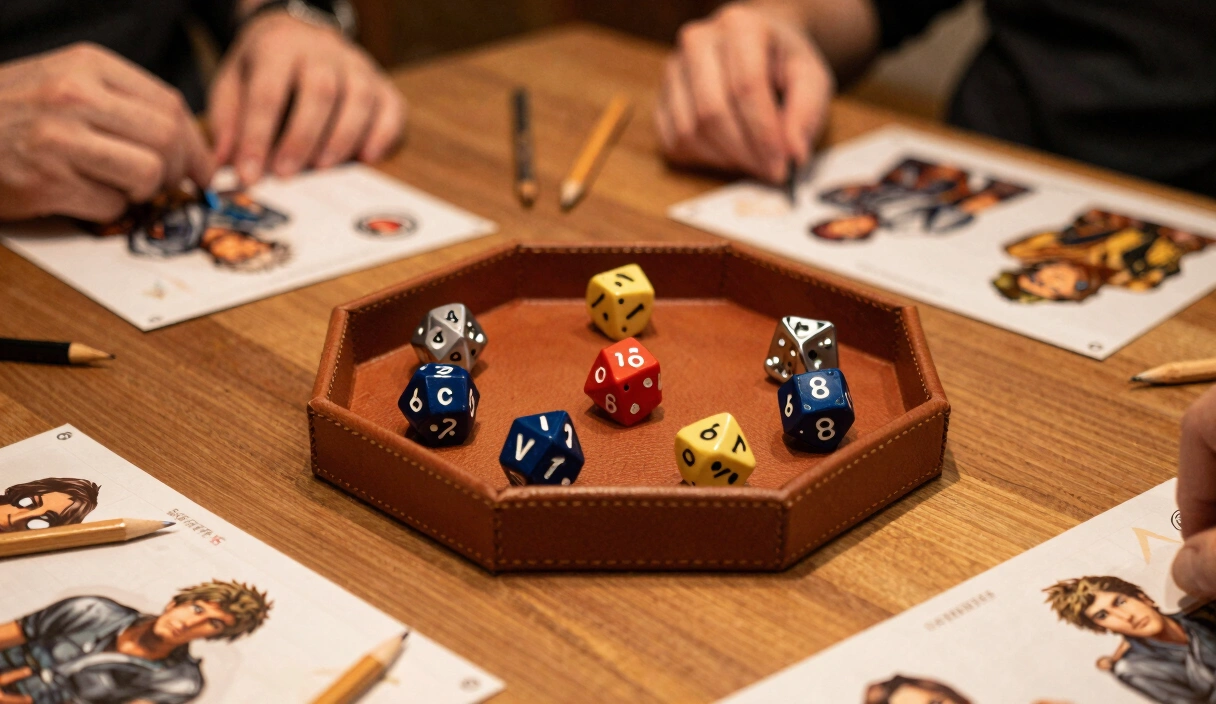
Best DnD Dice Trays: From $10 Folding to Handmade Leather
Your dice deserve better than the floor. We compare folding, wooden, and handmade leather dice trays by price and durability — plus three DIY builds.