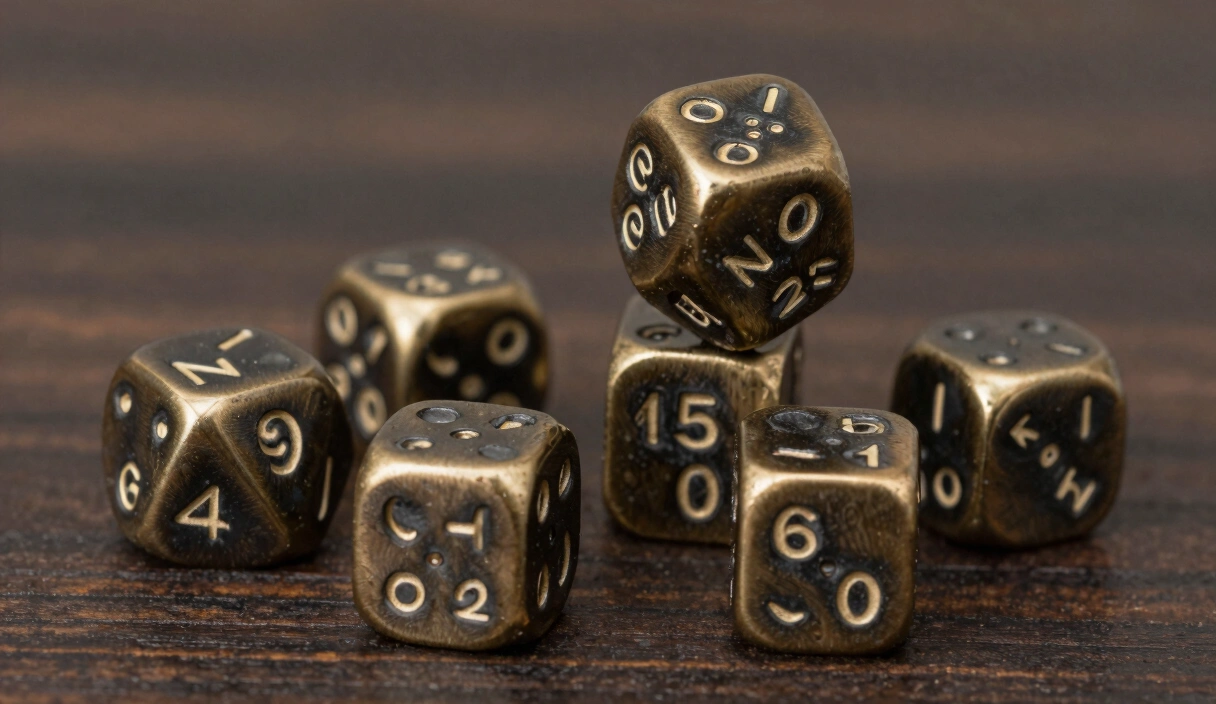
Metal Dice Sets: The Weight, the Sound, and the Dented Tables
Metal dice sets compared by alloy, budget, and durability. Zinc, brass, copper, tungsten — plus the downsides sellers won't mention and how to care for them.
Contents
The first time I rolled a metal d20, it landed on a 17 and punched a half-moon dent into my friend’s kitchen table. He stared at it. I stared at it. The table stared back at us with the quiet accusation of damaged property. I’ve been hooked on metal dice ever since — and I bought a dice tray the next day.
Metal dice occupy a strange space in the tabletop hobby. They’re louder, heavier, more expensive, and objectively more dangerous to furniture than any other type. People buy them anyway, and for good reason. If you’re considering a set, here’s everything I’ve learned after owning more than a dozen across four different alloys.
Why Metal Dice Hit Different
Pick up a standard acrylic d20. Now pick up a metal one. The difference isn’t subtle. A typical acrylic die weighs about 4–5 grams. A zinc alloy die of the same size runs 20–28 grams. That’s roughly 4–5 times heavier sitting in your palm.
The weight changes everything about the rolling experience. Metal dice don’t bounce and skitter across the table the way acrylic sets do. They land with authority — a solid, satisfying thunk that makes every roll feel consequential. Your nat 20 sounds like a nat 20.
Then there’s the table presence factor. Pull out a set of burnished copper dice and people notice. They pick them up, feel the weight, turn them over in their hands. At a convention, I’ve watched a stranger hold my brass d12 for a full thirty seconds before handing it back, visibly reluctant.
Is any of that functionally necessary for playing D&D? No. Does it make rolling more fun? For me, absolutely. You’re here reading about metal dice, so I suspect you feel the same pull.
Metal Types Compared
Not all metal dice are made from the same stuff, and the alloy matters more than most sellers let on. Here’s the breakdown.
Zinc Alloy (Budget Tier)
The vast majority of metal dice on the market are zinc alloy — specifically zamak, a family of zinc-aluminum-magnesium-copper alloys used in die-casting. Zinc alloy is cheap to produce, takes electroplating well, and comes in dozens of finishes.
- Weight: 20–25 grams per die (d20)
- Durability: Good. Resistant to cracking but can chip plating over time
- Price: $15–30 per set
- Watch out for: Cheap zinc sets sometimes have rough casting seams, uneven number fills, or plating that flakes after a few months
Aluminum (Mid Tier)
Aluminum dice are less common but worth knowing about. They’re lighter than zinc — sometimes only twice the weight of acrylic — which makes them a decent middle ground if you want metal aesthetics without the full heft.
- Weight: 10–15 grams per die (d20)
- Durability: Softer metal; more prone to dings and surface scratches
- Price: $25–45 per set
- Best for: Players who want the metal look but find zinc too heavy for long sessions
Brass and Copper (Premium Tier)
Brass and copper dice are machined rather than die-cast, which usually means tighter tolerances and sharper edges. They’re heavier than zinc, warmer in color, and develop a natural patina over time that some collectors love and others hate.
- Weight: 25–35 grams per die (d20)
- Durability: Excellent. Brass is harder than zinc. Copper is softer but ages beautifully
- Price: $40–70 per set
- Watch out for: Both metals tarnish. Copper especially will darken and develop verdigris if exposed to moisture. Some people polish regularly; others let the patina ride
Tungsten (Ultra-Premium)
Tungsten dice are the heavy artillery. Tungsten carbide is one of the densest commercially available metals — a tungsten d20 can weigh 60+ grams, roughly 12 times heavier than acrylic. Rolling one feels like dropping a small ball bearing.
- Weight: 50–70 grams per die (d20)
- Durability: Extremely hard. Nearly scratch-proof. Will outlast everything you own
- Price: $80–300+ per set
- The catch: Tungsten is brittle despite its hardness. Drop a tungsten die on concrete from table height and it can shatter. They’re also genuinely dangerous to table surfaces — a tungsten d4 falling off a table could crack a tile floor
Best Metal Dice by Budget
Specific recommendations, organized by what you’re willing to spend.
$15–25: Die Hard Dice Mythica Series
Die Hard Dice’s Mythica line is the sweet spot for first-time metal dice buyers. These are zinc alloy sets with solid weight, clean number engraving, and plating that holds up. Die Hard also packages them in metal tins rather than the cheap velvet bags most budget brands use.
The Mythica Platinum Sapphire and Mythica Battleworn Gold are standout colorways. I’ve used a Battleworn Gold set for over a year of regular play with no plating issues.
If you’ve never owned metal dice before, start here. Spending $20 on a Mythica set tells you whether you actually enjoy the weight and sound of metal at the table — before you commit $60 or more to a premium alloy.
$30–50: Norse Foundry Brass and Zinc Premium
Norse Foundry is one of the established names in metal dice, and their brass sets in the $35–50 range represent a genuine step up from budget zinc. The number engraving is deeper, the edges are crisper, and the weight distribution feels more deliberate.
Their Nimbus series (zinc alloy with specialty finishes) runs $30–40 and offers more visual variety if brass isn’t your style. The Aged Mithral finish in particular has a weathered silver look that suits darker character themes.
$60+: Level Up Dice and Tungsten Options
Level Up Dice produces some of the most interesting premium metal sets on the market. Their sculpted designs — dragons, Celtic knots, gothic architecture — turn each die into a miniature art piece. Sets run $55–90 depending on the design.
For pure material luxury, Norse Foundry’s tungsten sets (around $100–150 for a partial set, $200+ for a full 7-piece) are as dense and satisfying as metal dice get. Fair warning: a full tungsten polyhedral dice set weighs nearly a pound. Your dice bag will feel like a weapon.
The Downsides Nobody Talks About
I like metal dice. I’m still going to be honest about the problems.
They will damage tables. This isn’t a “maybe” or a “be careful” situation. Metal dice dent wood, scratch laminate, and crack glass. A zinc d4 — the caltrop-shaped one — is basically a medieval weapon in miniature. If you play on any surface you care about, you need a dice tray or a padded rolling mat. Non-negotiable.
They scratch other dice. Toss a metal set into a bag with your acrylic and resin dice, and the acrylic will come out looking like it lost a fight. Metal dice need their own storage. Every time.
They’re cold. This sounds minor until you’re playing in a friend’s drafty basement in January and your dice feel like they’ve been stored in a refrigerator. Metal conducts heat away from your hand. Some people find this uncomfortable, especially during long sessions.
They’re loud. The satisfying clunk that makes metal dice fun at your home table becomes obnoxious in a game store with six tables running simultaneously. I’ve had a DM ask me to use my acrylic set during a packed Adventurers League session. He wasn’t wrong to ask.
They can dent and chip each other. Roll two metal dice together — say 2d6 for a greatsword — and they’ll ding each other over time. Zinc plating is especially susceptible. Some players roll metal dice one at a time to avoid this.
Metal Dice Care
Metal dice are more durable than resin or gemstone in most ways, but they’re not zero-maintenance.
Storage
Keep metal dice separate from everything else. A dice tin, a padded dice bag with individual slots, or a lined wooden box all work. The Die Hard Dice metal tins that ship with their sets are perfectly sized for ongoing storage.
Rolling Surface
A padded dice tray is the minimum. Leather, neoprene, or felt-lined trays all absorb the impact and protect both your dice and your table. Rolling metal dice on a bare wooden table is how you end up explaining dents to your landlord.
Cleaning and Polishing
Zinc alloy sets rarely need more than a wipe with a soft cloth. Brass and copper are different — they tarnish. A brass polishing cloth (the kind sold for musical instruments) works perfectly. Some players use Renaissance Wax or a light coat of mineral oil to slow tarnish on copper sets.
Do not use chemical metal cleaners on plated dice. The plating on most zinc alloy sets is a thin electroplated layer. Harsh cleaners strip it. Stick to a dry or lightly damp microfiber cloth.
Moisture
Keep brass and copper sets dry. If you play outdoors or in humid environments, wipe them down after the session and store them in a dry container. Verdigris (the green patina copper develops) is cosmetically interesting but can pit the surface over time if left unchecked.
Metal vs Resin vs Gemstone
Three premium dice materials, three different trade-offs. Here’s who should buy what.
| Feature | Metal | Resin (Artisan) | Gemstone |
|---|---|---|---|
| Weight | Heavy (20–70g per die) | Light to medium (4–8g) | Medium (10–20g) |
| Durability | High (won’t crack) | Medium (can chip edges) | Low (chips and cracks) |
| Balance | Excellent (dense, uniform) | Good to variable | Variable (natural stone density varies) |
| Visual variety | Limited to finishes/plating | Nearly unlimited | Limited to stone types |
| Price range | $15–300 | $30–100 | $50–200 |
| Table risk | High (dents surfaces) | Low | Medium (stone can chip) |
Buy metal if: you prioritize weight, durability, and the tactile experience of rolling. You want dice that will last decades and you don’t mind investing in a tray. If you’re deciding between materials, the best dice for D&D guide covers all categories side by side.
Buy resin if: you want maximum visual creativity — liquid cores, petri effects, embedded flowers, galaxy swirls. Artisan resin dice offer design possibilities that metal and stone can’t touch.
Buy gemstone if: you want a natural material with unique veining and color. Accept that they’re fragile and better suited for display or light use than weekly campaign play.
Metal Dice Accessories
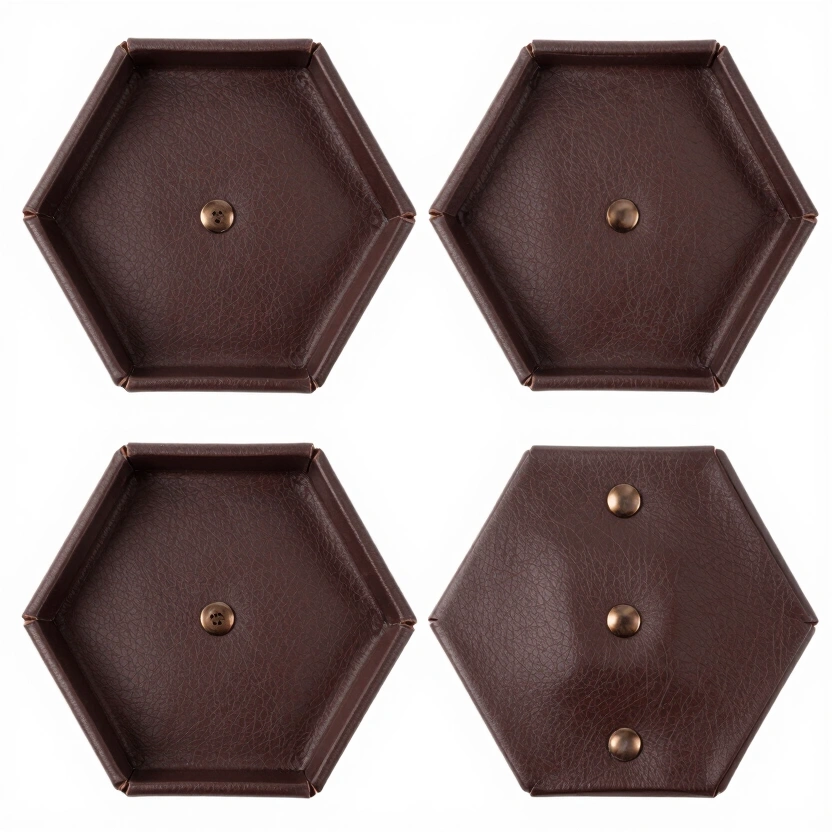
Folding Leather Dice Tray (Hexagonal)
Premium PU leather dice tray. Snaps flat for storage. Protects dice and tables during play.
Check Price on Amazon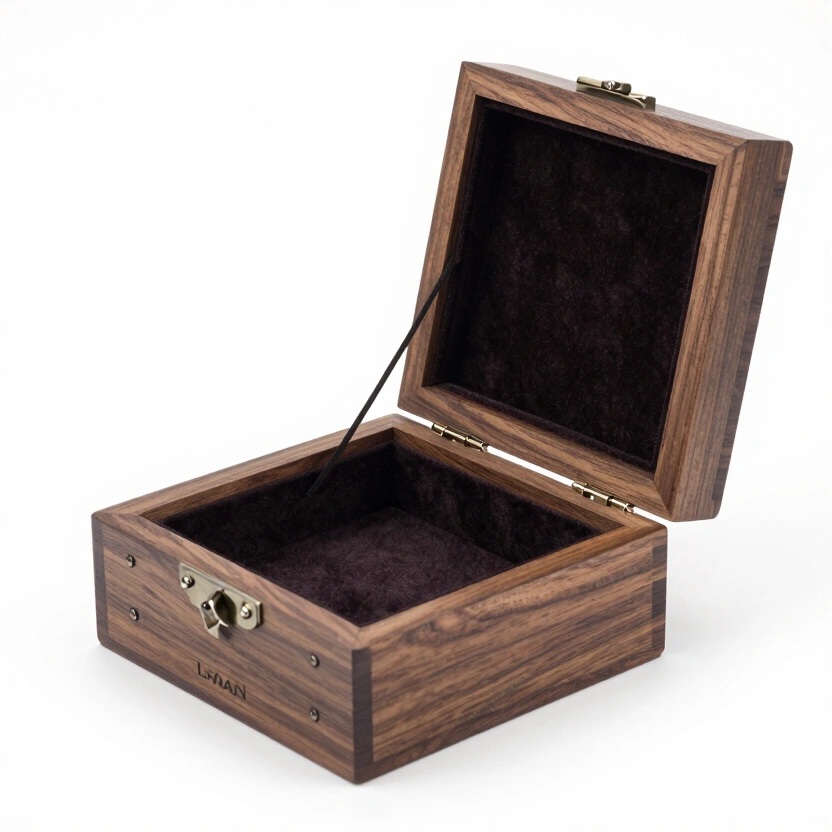
Treasure Chest Dice Box (Resin Mold Compatible)
Snap-lock treasure chest for dice storage. Also available as a resin casting mold to make your own.
Check Price on Amazon* Affiliate links. Prices last updated March 6, 2026.
Frequently Asked Questions
Are metal dice balanced?
Generally, yes. Because metal is dense and uniformly cast or machined, metal dice tend to perform well in balance tests. Zinc die-cast sets are poured from molten alloy into molds, producing consistent density throughout. Machined brass and tungsten sets are even more precise. Metal dice are among the most balanced options available outside of casino-grade dice.
Will metal dice damage a dice tray?
A felt-lined or leather-lined tray will handle metal dice without issue. Bare wood or hard plastic trays will accumulate dents and scratches over time, especially from zinc and tungsten sets. If your tray has a hard bottom, add a neoprene or felt insert.
Can I mix metal dice with acrylic dice in the same bag?
You can, but the acrylic dice will get scratched and scuffed. Metal edges are harder than acrylic and resin, so any contact during transport grinds into the softer material. Store metal dice in their own container — even a separate zip pouch inside a larger dice bag works.
How heavy is a full set of metal dice?
A standard 7-piece zinc alloy set weighs roughly 5–6 ounces (140–170 grams). Brass sets run slightly heavier at 6–8 ounces (170–230 grams). A full tungsten set can exceed 14 ounces (400 grams) — nearly a pound of metal in your bag. For context, a full set of acrylic Chessex dice weighs about 1 ounce (28 grams).
Your next move depends on where you’re starting. If you’ve never held a metal die before, order a Die Hard Dice Mythica set for under $25 and roll it for a few sessions. Feel the weight. Listen to the sound. If it clicks for you the way it clicked for me — that moment when a heavy d20 lands with a satisfying thud and the whole table pauses — then start looking at brass. Your table, however, deserves a tray first.
Related Articles
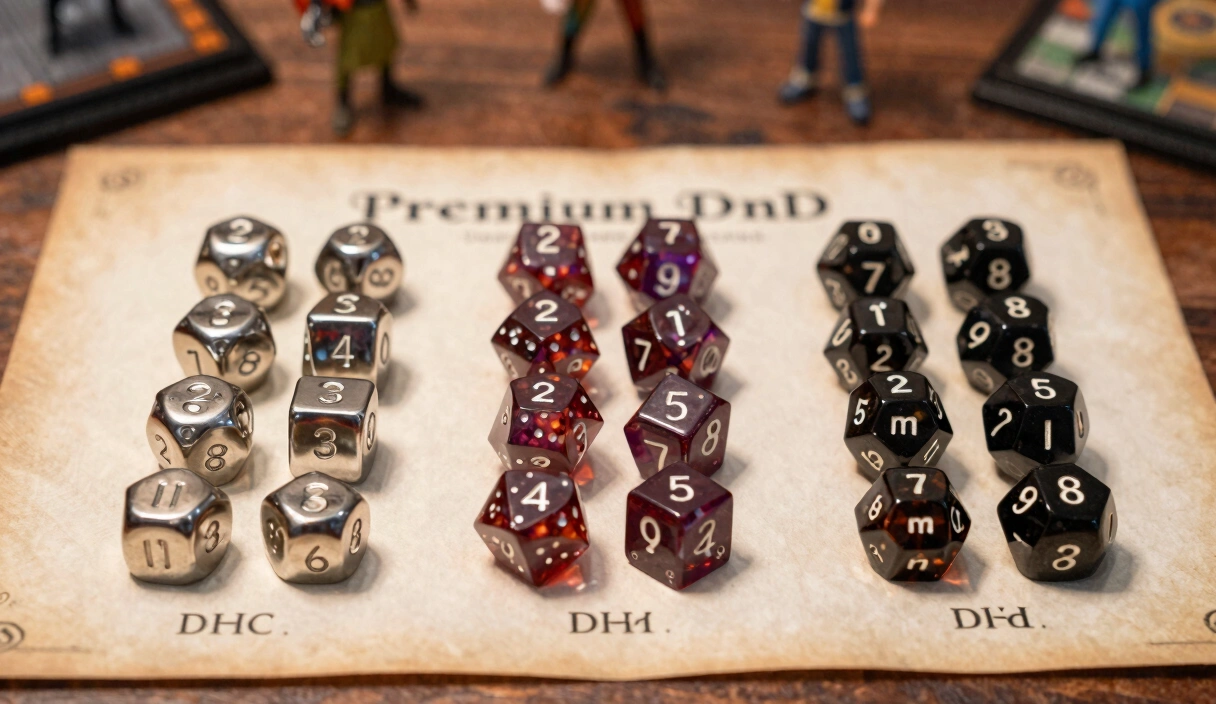
Best Dice for DnD: Honest Picks After Testing 40+ Sets
Most 'best dice' lists are just affiliate dumps. I bought 40+ sets with my own money and ranked them by what actually matters at the table.
Chessex Dice: The Brand Everyone Starts With (and Whether to Stay)
Chessex dice sit in every game store on Earth, but are they good or just cheap? An honest breakdown of every product line, balance, and value.
Gemstone Dice: Beautiful, Fragile, and Worth It (Maybe)
Gemstone dice cost $50-200+, chip on hard surfaces, and test poorly for balance. Here's which stones hold up, which brands deliver, and whether they're worth your money.