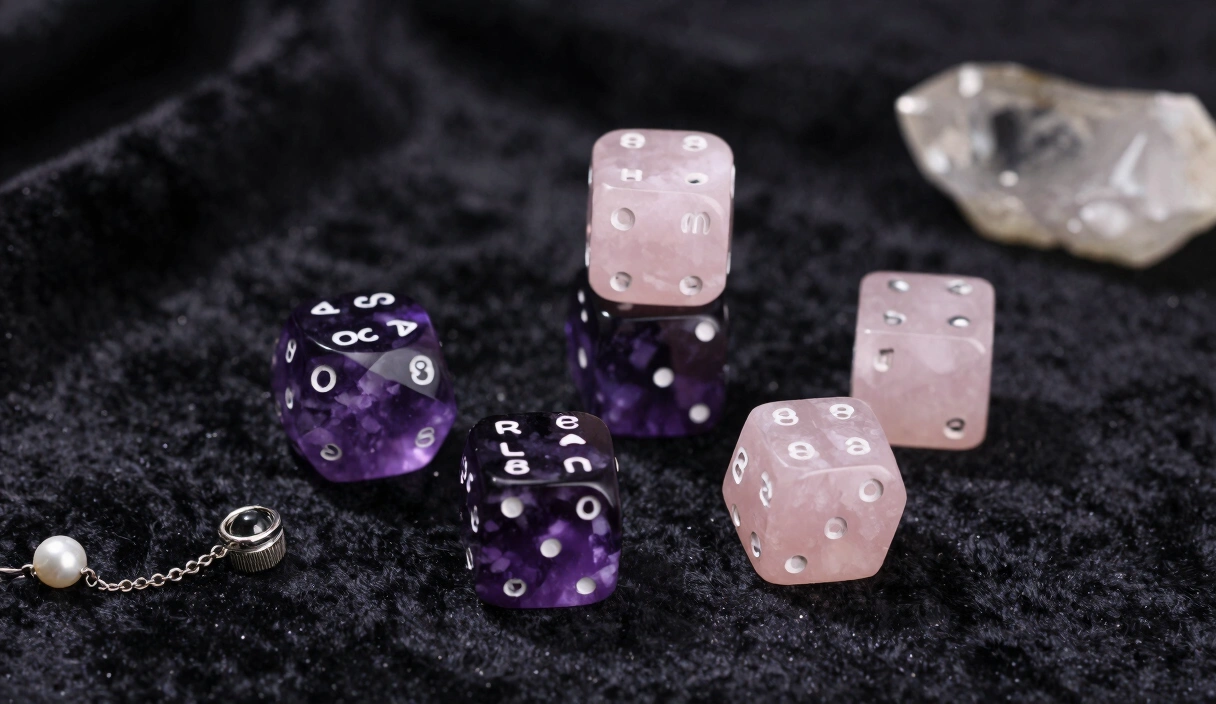
Gemstone Dice: Beautiful, Fragile, and Worth It (Maybe)
Gemstone dice cost $50-200+, chip on hard surfaces, and test poorly for balance. Here's which stones hold up, which brands deliver, and whether they're worth your money.
Contents
A polyhedral die carved from amethyst takes roughly 45 minutes of CNC machining time per piece. Seven dice in a set. Over five hours of cutting, grinding, and polishing — on a material that can crack if the bit runs too hot or the stone has an invisible internal fracture. The failure rate on gemstone dice production runs between 15% and 30%, depending on the stone. That scrap cost gets passed directly to you.
This is why gemstone dice are expensive. And it’s only one of several reasons you should think carefully before buying a set.
What Gemstone Dice Actually Are
Gemstone dice are CNC-carved from real mineral stone — amethyst, obsidian, rose quartz, fluorite, labradorite, tiger’s eye, and dozens of others. Each face is precision-cut, the numbers are engraved into the stone surface, and the whole die is polished to a smooth finish.
They are not resin dice painted to look like stone. If you’ve seen cheap “gemstone style” dice on Amazon for $15, those are acrylic or resin with a marbled color effect. Real gemstone dice feel different the moment you pick them up. Stone is cold to the touch, heavier than resin, and has a density that plastic can’t replicate.
You, the buyer, need to verify what you’re getting. Ask the seller directly: is this carved from natural stone or is it resin? If the listing doesn’t specify CNC-carved or hand-carved mineral, assume it’s fake. At $15-20 per set, it’s definitely fake. Real gemstone sets start around $50 and commonly land between $80 and $200.
Popular Stone Types
Not all gemstone dice are created equal. The stone matters — for looks, durability, and how long the set survives actual play.
Amethyst
Purple quartz, Mohs hardness 7. One of the more durable options. The color ranges from pale lavender to deep violet depending on the source stone. Number engravings show up well when filled with gold or silver ink against the darker purple varieties. Lighter amethyst sets can have readability issues.
Rose Quartz
Mohs hardness 7. Tough enough for play, but the pale pink color creates a serious legibility problem. White or light gold number fills almost disappear against the translucent pink. Darker ink colors help, but this remains one of the hardest gemstone dice to read across a table.
Fluorite
Mohs hardness 4. This is the fragile one. Fluorite produces some of the most stunning dice you’ll ever see — deep greens, purples, and banded multicolor patterns that look otherworldly. But at Mohs 4, it chips from a short drop onto a hardwood table. Fluorite dice are display pieces. Treat them accordingly.
Obsidian
Mohs hardness 5-5.5. Volcanic glass. Deep black, sometimes with a subtle sheen or snowflake patterning. Obsidian dice are dramatic, readable (light-colored number fills pop against the dark surface), and reasonably durable for a gemstone die. This is my recommendation for anyone who wants to actually roll gemstone dice at the table.
Labradorite
Mohs hardness 6-6.5. The showpiece stone. Labradorite displays iridescent flashes of blue, green, and gold when light hits at certain angles — an effect called labradorescence. These dice are genuinely mesmerizing. They’re also among the most expensive, regularly exceeding $150 per set, because sourcing stones with strong flash on every die face is difficult.
Tiger’s Eye
Mohs hardness 6.5-7. Warm golden-brown with chatoyant bands (the shimmering stripe effect). Durable, distinctive, and more affordable than labradorite. Tiger’s eye is one of the more practical gemstone options — hard enough to handle regular rolling, with good number contrast against the medium-toned stone.
Pros of Gemstone Dice
Every set is unique. Natural stone means genuine variation in color, banding, veining, and translucency. Your amethyst d20 won’t look exactly like anyone else’s. For collectors, this is the core appeal.
The weight and feel are distinct. Stone dice sit heavier in your hand than resin or acrylic. They’re cold when you pick them up. The tactile experience is different from every other dice material, and for some players that physical sensation matters.
They’re conversation starters. Pull out a set of labradorite dice at a game night and people will stop mid-sentence to look. Gemstone dice draw attention in a way that even high-end resin sets don’t.
Collectibility is real. Because each set is unique and production runs are limited by stone availability, gemstone dice hold secondary market value better than mass-produced alternatives. Popular stones in popular colorways sometimes appreciate.
Here’s an honest admission, though: I own three gemstone sets. I actively play with one — the obsidian. The other two live on a shelf. They’re too pretty and too fragile to risk at a crowded table where someone might knock one onto a tile floor. That ratio — one in three seeing actual use — is pretty common among gemstone dice owners I’ve talked to.
Cons You Need to Know
They chip and break. Drop a fluorite d20 on a hardwood floor and you’ll likely lose a corner. Even harder stones like amethyst can chip on impact with tile, concrete, or other hard surfaces. Stone doesn’t flex — it fractures. There’s no fixing a chipped gemstone die.
Do not roll gemstone dice without a padded surface underneath. A felt-lined dice tray isn’t optional here — it’s mandatory. One careless roll across a bare table and you’re out $100+. Your table won’t thank you either; stone dice can dent and scratch wood finishes.
Balance is inconsistent. Natural stone has internal density variations — veins of different minerals, tiny voids, crystalline structures that aren’t uniform. Run a gemstone die through a dice balance test and you’ll almost always find more bias than in a quality resin or metal die. If fair randomness matters to you, gemstone dice are a compromise.
The price stings. Quality sets run $50-200+. That’s a lot of money for dice that are more fragile than $8 Chessex acrylics and less balanced than $35 metal sets. You’re paying for material rarity, machining difficulty, and aesthetics — not for superior function.
Numbers can be hard to read. Engraving into stone and filling with paint ink produces less contrast than the crisp printed or deeply engraved numbers on resin and metal dice. Light-colored stones (rose quartz, clear quartz, citrine) are the worst offenders. Across a dimly lit gaming table, you’ll be squinting.
Best Gemstone Dice Brands
Three names dominate the gemstone dice market. Each occupies a slightly different niche.
Norse Foundry
Norse Foundry offers the widest selection of gemstone dice, with 15+ stone types regularly in stock. Their sets typically run $50-90. The CNC work is clean, the number fills are consistent, and they package sets in padded metal tins. Norse Foundry is the volume leader — they’re the Chessex of gemstone dice, offering reliable quality at accessible (for gemstone) prices.
The tradeoff is that their stone selection tends toward the most common minerals. You’ll find good amethyst and obsidian, but the labradorite and rarer stones aren’t always available.
Level Up Dice
Level Up Dice positions itself at the premium end. Their gemstone sets run $80-200+ and focus on rarer stones and stones with exceptional visual qualities — strong labradorite flash, deeply saturated amethyst, unusual color variants. The craftsmanship is noticeably higher: sharper face edges, more precise number engraving, better quality control on stone selection.
You pay for that quality. A Level Up Dice labradorite set can hit $200, roughly double what Norse Foundry charges for the same stone type. Whether the upgrade in stone quality and machining precision justifies the price depends on how much you care about the difference between “nice labradorite” and “exceptional labradorite.”
URWizards
URWizards sells primarily through Amazon and their own site, with sets ranging from $40-120. They occupy the value position — more affordable than Norse Foundry on many stone types, with a decent range of options. Quality control is less consistent than the other two brands. I’ve seen URWizards sets with slightly uneven faces and number fills that wore thin within months.
That said, if you want to try gemstone dice without committing $80+, URWizards is a reasonable entry point. Their obsidian and tiger’s eye sets in the $40-60 range are solid for the price.
Brand comparison summary: Norse Foundry for reliable mid-range quality. Level Up Dice when you want the best stone and finest craftsmanship. URWizards if you’re testing the waters on a tighter budget and can accept some quality variance.
Care and Handling
Gemstone dice demand more care than any other dice material. Here’s what that looks like in practice.
Always roll on a padded surface. A felt-lined dice tray, a leather rolling mat, or at minimum a thick mousepad. Never roll gemstone dice on bare wood, glass, or stone countertops. The dice will chip, the surface will scratch, and you’ll feel terrible about both.
Something wonderful happens when you commit to this: rolling gemstone dice on velvet or leather becomes a small ritual. The deliberate placement, the careful roll, the soft landing — there’s a certain theater to it that enhances the moment at the table. Several players I know say the care requirement actually makes rolling feel more special, not less.
Store them separately. Gemstone dice can scratch each other, especially when mixing stone types of different hardness. Keep them in a padded case with individual compartments, or wrap each die in a soft cloth. The metal tins that Norse Foundry includes work well. A polyhedral dice set storage guide covers general storage, but gemstone dice need the extra padding.
Know your stone’s fragility. Ranked from most to least fragile among common dice stones:
- Fluorite (Mohs 4) — display only, realistically
- Obsidian (Mohs 5-5.5) — usable with care, but it’s glass and can fracture on sharp impacts
- Labradorite (Mohs 6-6.5) — moderately durable, watch for cleavage plane fractures
- Tiger’s Eye (Mohs 6.5-7) — one of the tougher options
- Amethyst / Rose Quartz (Mohs 7) — the most durable common gemstone dice
Higher Mohs hardness means more scratch resistance, but it doesn’t make stone immune to chipping on impact. Even quartz varieties (Mohs 7) will chip if they hit a hard edge at the wrong angle. The padding rule applies to all of them.
Clean gently. A soft microfiber cloth, slightly damp if needed. No chemical cleaners, no ultrasonic jewelry cleaners, no submerging in water for extended periods (some stones are porous). Wipe, dry, store.
Protect Your Investment
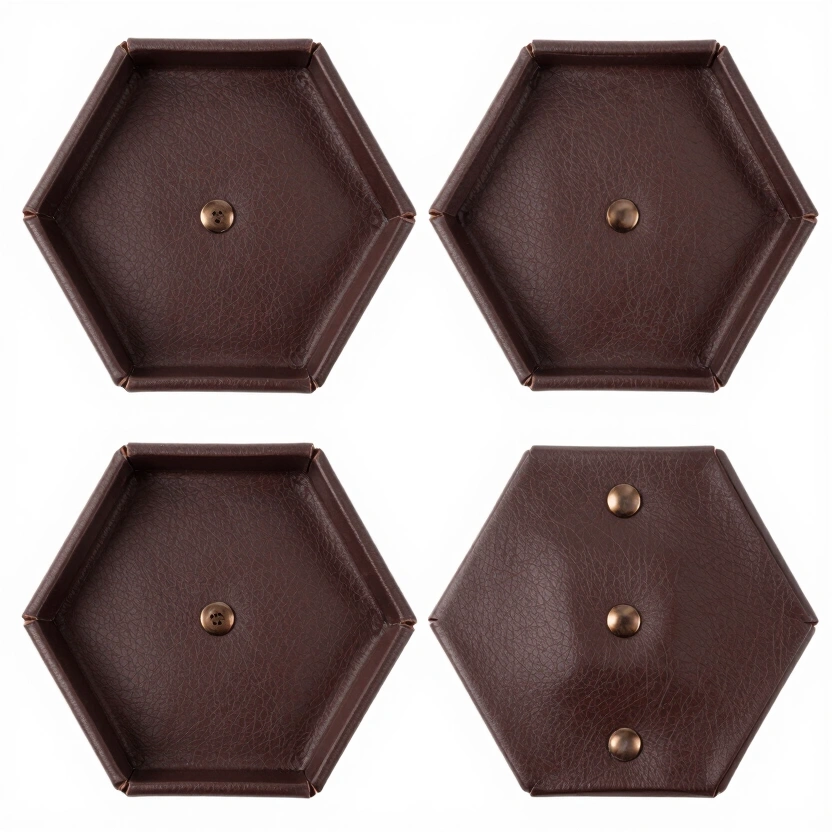
Folding Leather Dice Tray (Hexagonal)
Premium PU leather dice tray. Snaps flat for storage. Protects dice and tables during play.
Check Price on Amazon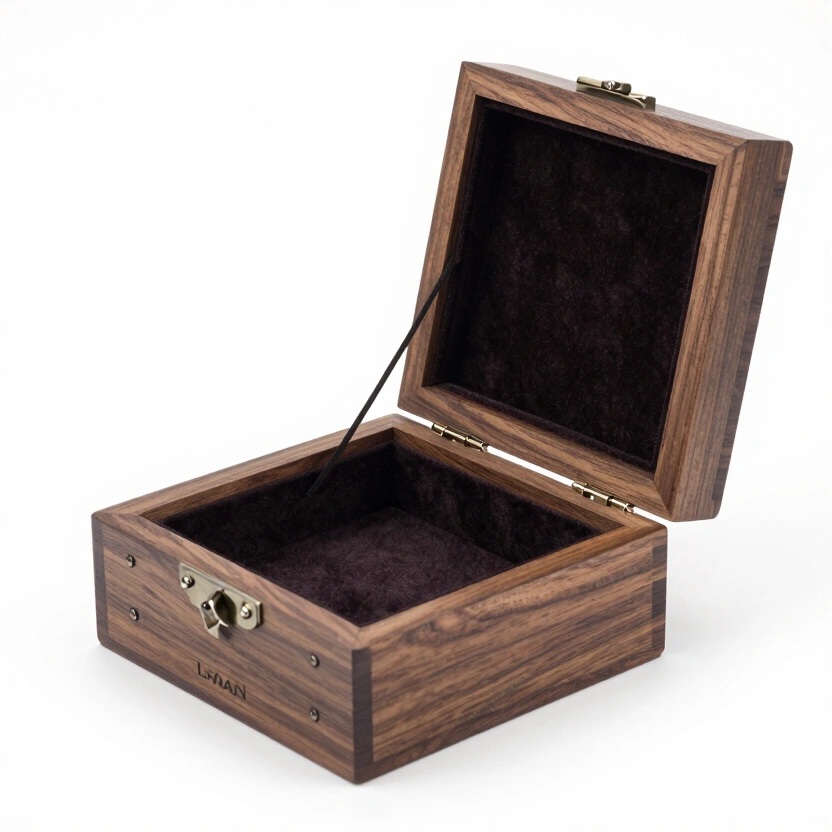
Treasure Chest Dice Box (Resin Mold Compatible)
Snap-lock treasure chest for dice storage. Also available as a resin casting mold to make your own.
Check Price on Amazon* Affiliate links. Prices last updated March 6, 2026.
Frequently Asked Questions
Are gemstone dice balanced enough for fair play?
Generally, no — not to the standard of quality acrylic or metal dice. Natural stone has internal density variations that create inherent bias. In casual D&D, where you might roll the same d20 thirty times in a session, the statistical impact is minimal. If you run a salt water float test on most gemstone d20s, you’ll find they favor certain numbers more than a Chessex acrylic would. For casual play, this isn’t a problem. For anyone who cares deeply about fair randomness, stick with metal or quality acrylic for your best dice for D&D rotation.
Can I use gemstone dice for regular weekly play?
You can, but expect wear over time. Harder stones like amethyst and tiger’s eye hold up reasonably well if you always use a padded rolling surface. Softer stones like fluorite won’t survive regular use — corners will chip and edges will dull. Most gemstone dice owners rotate them in for special sessions rather than using them as their everyday set.
What’s the difference between real gemstone dice and “gemstone style” resin dice?
Real gemstone dice are CNC-machined from solid mineral stone. They’re cold to the touch, heavier than resin, and have visible natural variation (veins, color inconsistencies, inclusions). “Gemstone style” resin dice are plastic with color effects that mimic stone patterns. The price is the quickest tell: real gemstone sets rarely cost less than $50. If you see a “gemstone” set for $15-20 on Amazon, it’s resin.
Which gemstone dice are best for a first purchase?
Obsidian. It’s dark enough for excellent number readability, tough enough for careful table use (Mohs 5-5.5), widely available from all three major brands, and priced at the lower end of the gemstone range ($50-80 for a quality set). Tiger’s eye is a close second if you prefer warm tones over dark. Avoid fluorite and rose quartz for a first set — fluorite is too fragile, and rose quartz numbers are too hard to read.
Gemstone dice occupy a strange space in the TTRPG hobby. They’re objectively worse than resin or metal dice by most functional measures — less balanced, more fragile, harder to read, more expensive. And yet they keep selling, because no amount of resin artistry replicates what happens when light passes through a natural amethyst crystal or catches the flash inside a labradorite d20.
The market is maturing. Stone selection is getting better, CNC precision is improving, and prices on common stones like obsidian and amethyst have dropped roughly 20% over the past two years as more manufacturers enter the space. If you’ve been curious about gemstone dice but put off by the cost or fragility, the entry point has never been more reasonable. Start with an obsidian set. Roll it on velvet. See if the weight of real stone in your hand changes something about how the game feels.
For a lot of people, it does.
Related Articles
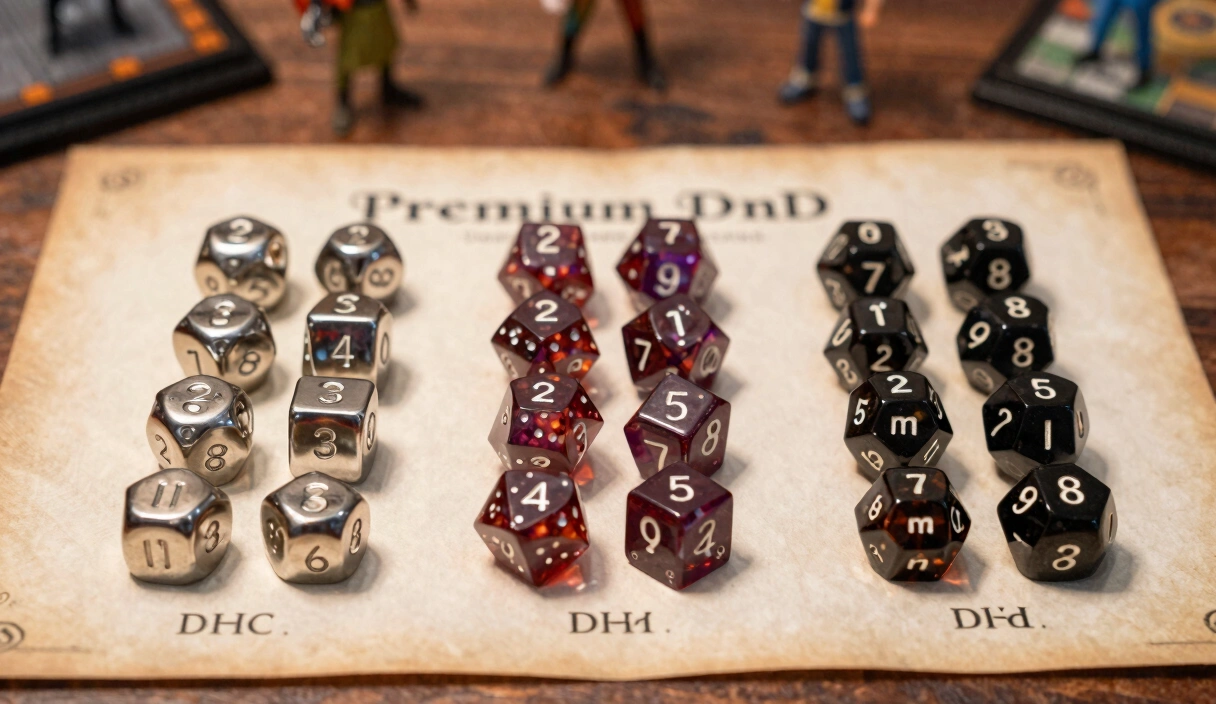
Best Dice for DnD: Honest Picks After Testing 40+ Sets
Most 'best dice' lists are just affiliate dumps. I bought 40+ sets with my own money and ranked them by what actually matters at the table.
Chessex Dice: The Brand Everyone Starts With (and Whether to Stay)
Chessex dice sit in every game store on Earth, but are they good or just cheap? An honest breakdown of every product line, balance, and value.
Metal Dice Sets: The Weight, the Sound, and the Dented Tables
Metal dice sets compared by alloy, budget, and durability. Zinc, brass, copper, tungsten — plus the downsides sellers won't mention and how to care for them.