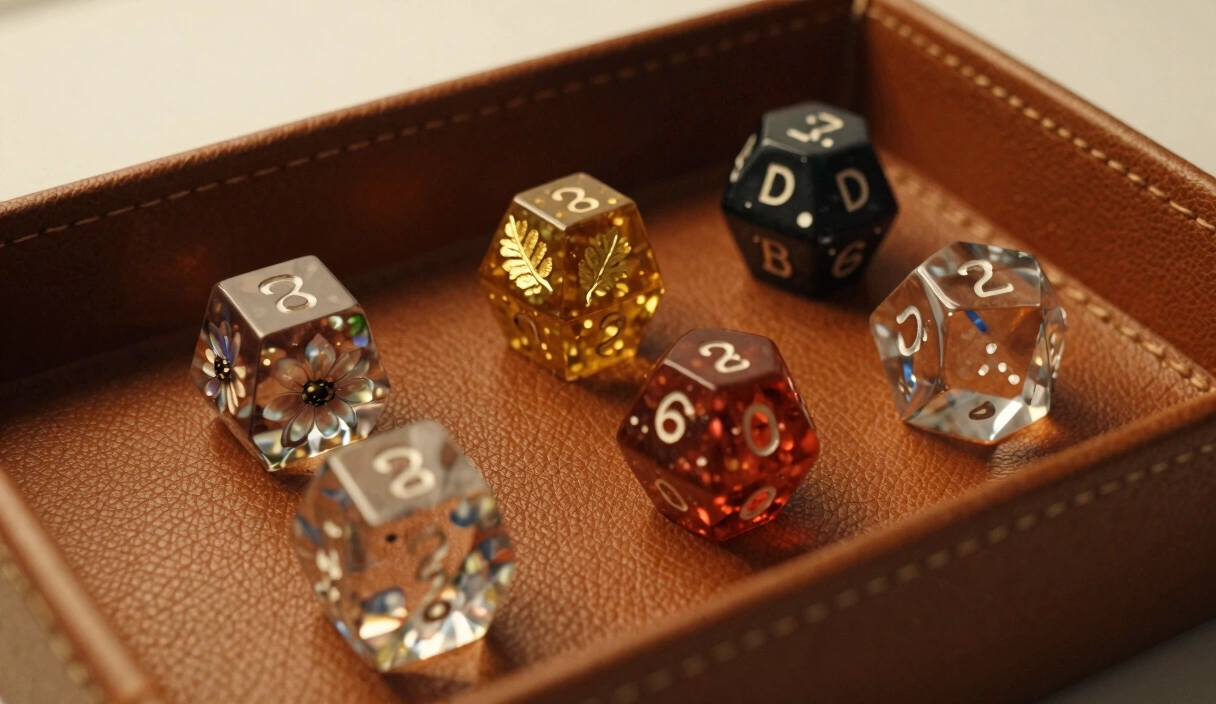
Custom DnD Dice: Where to Buy, What to Pay, and When to DIY
Most 'custom' dice on Etsy are just resin pours in your favorite color. Here's what real custom dice cost, where to find them, and when making your own wins.
Contents
Roughly 80% of “custom dice” listings on Etsy let you pick a color from a dropdown menu. That’s it. You choose “ocean blue” instead of “forest green,” someone pulls a pre-made set off a shelf, and it arrives in a velvet bag with a thank-you card. That’s not custom — that’s a color preference on a mass-produced product.
Real custom dice — dice designed around your character, your campaign, your specific aesthetic vision — exist. But they cost more, take longer, and require you to know what you’re actually asking for. This is how that process works, what it costs, and when you’re better off making them yourself.
What “Custom” Actually Means
The word “custom” covers three very different things in the dice market, and sellers use the ambiguity to charge more for less.
Mass-Customized Dice
The most common type. A shop offers a base dice style — sharp-edge resin, rounded acrylic, metal with enamel — and lets you choose from preset options. Pick your color combination. Maybe choose a font. Add a monogram to the d20. This is what most Etsy results show you when you search “custom DnD dice.”
These sets typically run $25–60. The maker isn’t creating anything new. They’re pulling from existing molds and existing colorant formulas, then personalizing the finish. Nothing wrong with that, but calling it “custom” is generous.
Commission Dice
This is the real thing. You contact a dice maker directly, describe what you want — specific colors, specific inclusions, a design inspired by your tiefling warlock’s patron, whatever — and they create a unique set from scratch. The maker designs the color palette, selects or sources inclusions, and pours a set that didn’t exist before your conversation.
Commission dice run $50–200+ per set. Lead times stretch 2–8 weeks. The result is genuinely one-of-a-kind.
DIY Custom Dice
You make them yourself. Full creative control, no lead time once you have supplies, and the satisfaction of rolling dice you poured with your own hands. The trade-off is a learning curve, startup costs, and the reality that your first few sets will probably look rough.
If you’re curious about that path, the how to make dice guide covers the full process from first pour to finished set.
I spent three months commissioning dice from other makers before I started making my own. Not because I couldn’t afford it — because I couldn’t stop tweaking the design in my head and wanted to execute it myself.
Where to Buy Custom Dice
Not all custom dice sellers operate the same way, and where you shop affects what you get.
Etsy Artisans
The largest marketplace for custom dice. Search “commission dice DnD” or “custom resin dice” and filter by shops with 50+ sales and photo reviews. The quality range is enormous — from hobbyists selling their early work to professional makers running full production operations.
What to look for: Process photos in the listing or shop feed. A maker who shows their workshop, their molds, their sanding setup is almost always more trustworthy than one who only posts glamour shots of finished dice on a velvet background.
What to avoid: Shops with hundreds of designs all in stock simultaneously. That’s usually a reseller importing mass-produced sets from overseas, not an artisan making dice to order.
Instagram and TikTok Makers
Some of the best dice makers in the hobby sell exclusively through social media. They post their work, open commissions periodically (often through Google Forms), and communicate through DMs. The experience is less structured than Etsy — no built-in buyer protection, no standardized shop policies — but the quality at the top end is exceptional.
Search hashtags like #dicemaking, #customdice, and #commissiondice. Pay attention to makers who show their process, not just their results.
Conventions
Gen Con, PAX, and regional tabletop conventions host dice artisans in their vendor halls. Buying in person lets you hold the dice, check the edges, verify the balance, and talk to the maker face-to-face. Some makers take custom commissions at conventions with a discount since they skip shipping and platform fees.
r/DiceMaking Commissions
The r/DiceMaking subreddit has a community of active makers, many of whom take commissions. The advantage here is transparency — you can see a maker’s post history, their progression, and how the community responds to their work. It’s also one of the few places where you can get honest third-party opinions on a maker’s quality before you commit money.
What to Expect When Commissioning
This is where most buyers get frustrated, and it’s usually because expectations weren’t set clearly upfront.
Price Ranges
A custom commission set typically costs:
- $50–80 for a standard resin set with custom color work (alcohol inks, mica powder, layered pours)
- $80–120 for sets with specialty inclusions (real flowers, metal flakes, tiny figurines, petri dice effects)
- $120–200+ for complex techniques like liquid cores, embedded LED circuits, or multi-pour designs requiring multiple cure cycles
These prices reflect labor, materials, and the risk of failure. A set with a liquid core inclusion might require three or four attempts before the maker gets one that cures correctly. You’re paying for the successful set and the failed ones.
Lead Times
Expect 2–8 weeks from payment to delivery. The breakdown:
- 1–2 weeks for design discussion and material sourcing
- 3–5 days for pouring and curing (resin needs 24–72 hours at pressure)
- 2–5 days for sanding, polishing, and inking
- Shipping time on top of everything
Makers who promise a custom set in under a week are either cutting corners on cure time or pulling from pre-made stock and calling it custom. Neither is ideal.
Communication and Reference Photos
The single most useful thing you can do when commissioning dice: send reference photos. Not just a description — actual images. “I want dice inspired by the Feywild” means something different to every maker. A mood board with specific images of colors, textures, and vibes you’re after eliminates guesswork.
Good makers will send you a mock-up or a test pour photo before committing to the full set. If a maker doesn’t offer that, ask for it. A $100+ purchase deserves a confirmation step.
Budget Reality: Commission dice aren’t priced to compete with mass-produced sets. If $50–100 for a set of seven dice sounds unreasonable, read through the dice making techniques page to understand the labor involved. It may recalibrate your expectations — or convince you to make your own.
DIY Custom Dice
Here’s the contrarian take: if you want truly custom dice and you’re willing to invest time, making your own is often the smarter move.
Cost Comparison
A basic dice-making setup costs roughly $150–250 to start:
| Item | Approximate Cost |
|---|---|
| Epoxy resin (32 oz) | $30–45 |
| Silicone molds (full polyhedral set) | $25–40 |
| Pressure pot (Harbor Freight, converted) | $80–100 |
| Pigments, mica, alcohol inks | $20–30 |
| Sanding supplies (400–3000 grit) | $15–20 |
After the initial investment, each additional set costs $5–15 in materials. So the math works like this: your first DIY set costs $150+. Your tenth set costs $10. By the time you’ve made 5–6 sets, you’ve broken even compared to commissioning a single $80 set — and you have a permanent setup for making more.
The catch? Your first sets won’t look like commission-quality work. The learning curve is real. Bubbles, cloudy resin, uneven sanding — every dice maker works through these problems. The dice making supplies guide covers exactly what to buy (and what to skip) so you’re not wasting money on equipment you don’t need yet.
When DIY Wins
- You want multiple custom sets (gifts for a whole party, seasonal dice, character-specific sets)
- You enjoy the crafting process itself
- You have specific, unusual ideas that would be hard to communicate to a maker
- You want to experiment with petri techniques or other advanced effects on your own timeline
When Commissioning Wins
- You want one perfect set and don’t plan to make dice regularly
- You don’t have space for a pressure pot and resin workspace
- You value your time more than the cost difference
- You want a specific maker’s signature style
Honestly, I started making dice because I got tired of describing my vision to someone else and getting back something close but not quite right. That frustration was the push I needed. But I also know makers whose work is better than mine will ever be, and I’m happy to pay them for it.
Red Flags When Buying Custom Dice
The custom dice market has a fraud problem. Not a massive one, but big enough that you should know what to watch for.
Recast Sellers
Some sellers buy a single set of artisan dice, make a silicone mold from them, and recast copies in cheap resin. The results look similar in photos but fall apart on inspection — softer edges, less clarity, visible mold lines. This is both unethical and a trademark issue.
How to spot it: Ask for process photos. A legitimate maker can show you their mold-making setup, their pressure pot, their sanding station. A recaster has a photo of finished dice and nothing else.
Stolen Designs
Related to recasting, but broader. Some sellers copy another maker’s signature color combinations, inclusion arrangements, or marketing photos outright. If you see the same distinctive dice design in two different shops at very different price points, the cheaper one is almost certainly a copy.
How to verify: Reverse image search the product photos. Check if the maker has a social media presence showing their work over time. Established makers have months or years of process posts.
Unrealistic Prices
Sharp-edge resin dice with complex inclusions cannot be profitably made and sold for $15 per set. The materials alone cost more than that. If you see “handmade custom dice” at prices that compete with mass-produced Chinese sets, you’re looking at mass-produced Chinese sets with a “handmade” label.
No Process Photos
This is the simplest filter. Makers who do the work show the work. Scroll through their social media or shop updates. If there are no workshop photos, no pour videos, no sanding progress shots — just finished dice on pretty backgrounds — proceed with caution.
Maker’s Note: I’ve bought dice from recasters twice before I learned to spot them. Both times the resin was softer than proper pressure-cured epoxy, and the edges were slightly rounded where they should have been sharp. The $20 price tag was the first clue. The mushy edges confirmed it.
Custom Dice as Gifts
Custom dice make exceptional gifts for D&D players, but the logistics trip people up. Here’s how to get it right.
Ordering Timeline
Work backwards from your deadline:
- 8 weeks before: Contact the maker and start the design conversation
- 6 weeks before: Finalize the design and pay the deposit
- 4 weeks before: Maker begins production
- 2 weeks before: Set ships
- 1 week before: Buffer for shipping delays
For holidays, this means starting in early October for December delivery. For birthdays, count back two months. Starting late is the number one reason custom dice gifts go wrong — there is no rush shipping on a product that needs 72 hours to cure.
What to Specify
When ordering custom dice as a gift for someone else, provide:
- Character details: Class, race, patron/deity, color themes from the character’s backstory
- Player preferences: Do they prefer sharp-edge or rounded? Heavy or light? Translucent or opaque?
- Must-avoid colors: Some players have strong feelings about this. Ask subtly if you can.
- Number font preference: Serif, sans-serif, runic — this changes the whole feel of the set
- Packaging: Some makers offer wooden boxes, leather pouches, or display cases for an additional $10–30. Worth it for a gift.
If You’re Not Sure What They Want
A commission gift card from a specific maker is safer than guessing wrong on a $100+ set. Several Etsy dice artisans offer gift certificates that let the recipient design their own commission. Less dramatic to unwrap, but guarantees the recipient gets exactly what they want.
Make Your Own Custom Dice
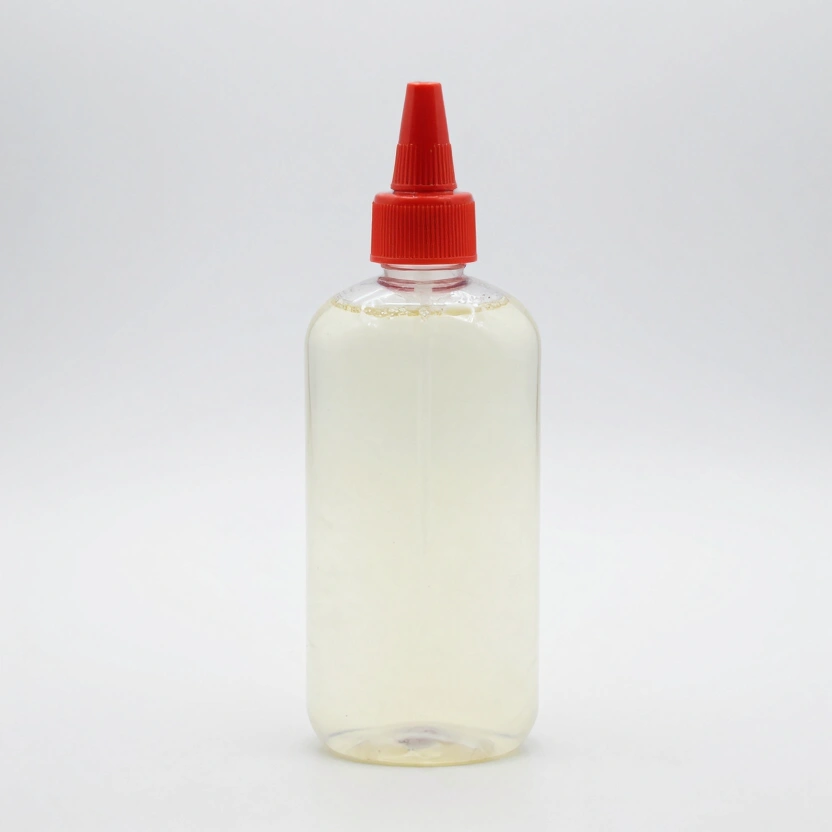
Art 'N Glow Epoxy Resin Kit (32 oz)
Crystal-clear 1:1 mix ratio epoxy. UV resistant, self-leveling. The community favorite for dice casting.
Check Price on Amazon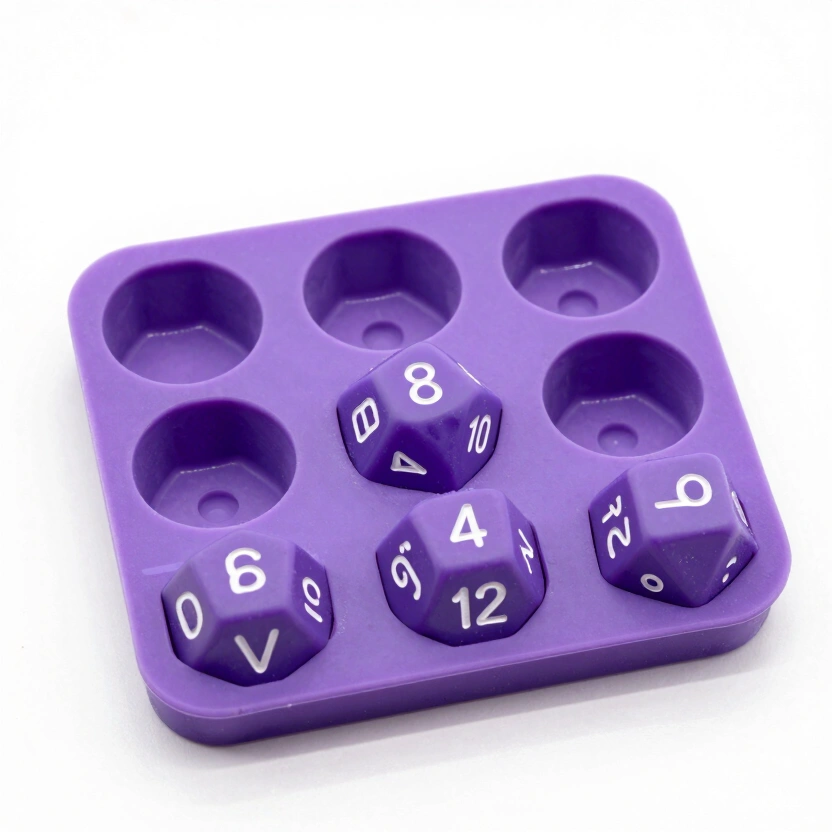
LET'S RESIN Polyhedral Dice Mold Set (7 Shapes)
Stereoscopic 7-piece silicone mold for D4-D20. Pre-made sprue channels. Top-selling beginner mold.
Check Price on Amazon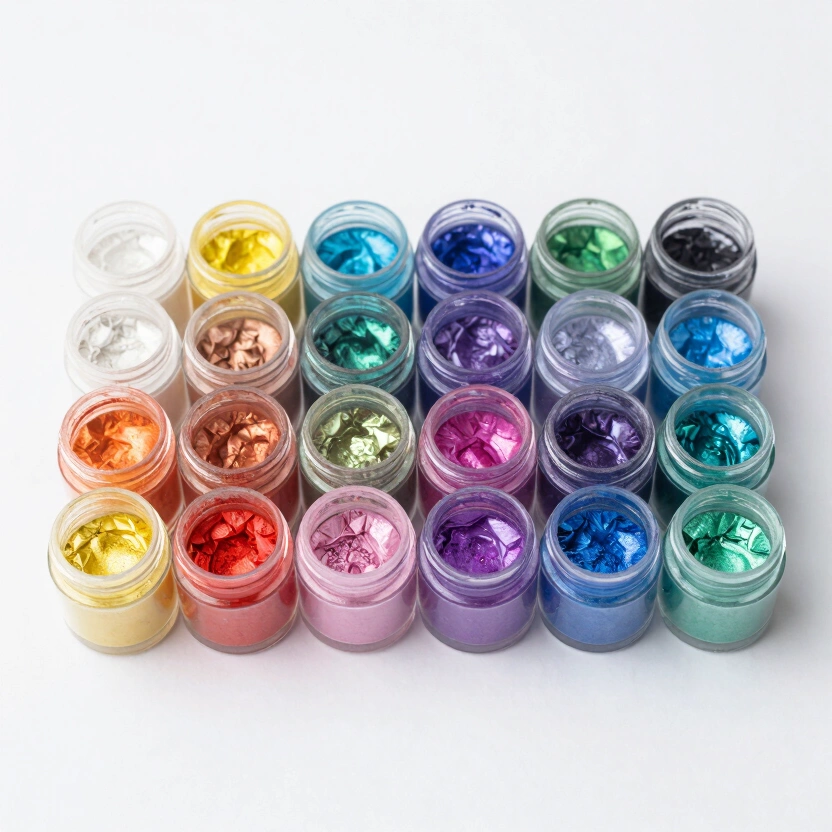
Eye Candy Mica Powder (24-Pack Sampler)
24 vibrant pearlescent pigments. A little goes a long way. Perfect for swirls, layers, and galaxy effects.
Check Price on Amazon* Affiliate links. Prices last updated March 6, 2026.
Frequently Asked Questions
How much do custom DnD dice cost?
Mass-customized sets (choose your colors from a menu) run $25–60. True commission sets where a maker creates something unique to your specifications typically cost $50–200+, depending on technique complexity and inclusions. Liquid core or multi-pour sets sit at the higher end. These prices reflect 4–8 hours of skilled labor, material costs, and a failure rate that means not every pour succeeds.
How long does it take to get custom dice?
Plan for 2–8 weeks total. Simple color commissions with an available maker can turn around in 2–3 weeks. Complex designs with specialty inclusions or popular makers with waitlists can take 6–8 weeks or longer. The curing process alone requires 24–72 hours per pour, and some designs need multiple pours.
Is it cheaper to make your own custom dice?
In the long run, yes. The startup cost for a basic setup is $150–250, and each subsequent set costs $5–15 in materials. If you plan to make more than 3–4 sets, DIY is cheaper than commissioning. If you only want one set and never plan to make another, commissioning is more cost-effective when you factor in the learning curve and equipment investment. The how to make dice guide breaks down the full cost.
How do I find a reputable custom dice maker?
Look for makers who post process photos — their workshop, their pours, their sanding work. Check r/DiceMaking for community-vetted recommendations. On Etsy, filter by shops with 50+ sales and read the photo reviews, not just the star ratings. Avoid sellers with suspiciously low prices, no process documentation, or hundreds of designs all in stock at once. A real artisan has limited inventory and can explain their techniques when asked.
Can I commission dice based on my D&D character?
Absolutely, and this is one of the best reasons to commission. Send the maker reference images — character art, color palettes, mood boards — along with a description of the vibe you’re after. Good makers will translate character themes into color choices, inclusion types, and finishing details. A druid character might get forest green resin with real pressed fern inclusions. A shadow sorcerer might get deep black with purple alcohol ink swirls. The more specific your references, the closer the result matches your vision.
Custom dice sit in a strange spot in the hobby. The word “custom” has been diluted by shops selling color variations as bespoke craftsmanship, which makes it harder for genuine artisan makers to communicate what they actually offer. That’s frustrating for makers and buyers alike.
The honest limitation here: no article can guarantee you’ll find the right maker on your first try. Commission work is a collaboration, and collaborations depend on communication, shared expectations, and a little bit of luck. Some of my best dice came from commissions where the maker surprised me with an interpretation I hadn’t considered. Some of my worst came from commissions where I wasn’t specific enough and didn’t ask to see a test pour.
Start by deciding what “custom” means to you. If it means picking your favorite color combination, Etsy has you covered for $30. If it means a set that captures your character’s soul in resin and pigment, budget $80–150, allow two months, and find a maker whose existing work already resonates with you. And if “custom” means full creative control with no compromises — learn to make your own. The resin is waiting.
Related Articles
Best Dice for DnD: Honest Picks After Testing 40+ Sets
Most 'best dice' lists are just affiliate dumps. I bought 40+ sets with my own money and ranked them by what actually matters at the table.
Polyhedral Dice Sets: What's Inside, What to Buy, and Why It Matters
A 7-piece polyhedral dice set holds 7 distinct shapes. We compare materials, brands, and price tiers with real data to help you pick the right set.
Best DnD Dice Trays: From $10 Folding to Handmade Leather
Your dice deserve better than the floor. We compare folding, wooden, and handmade leather dice trays by price and durability — plus three DIY builds.