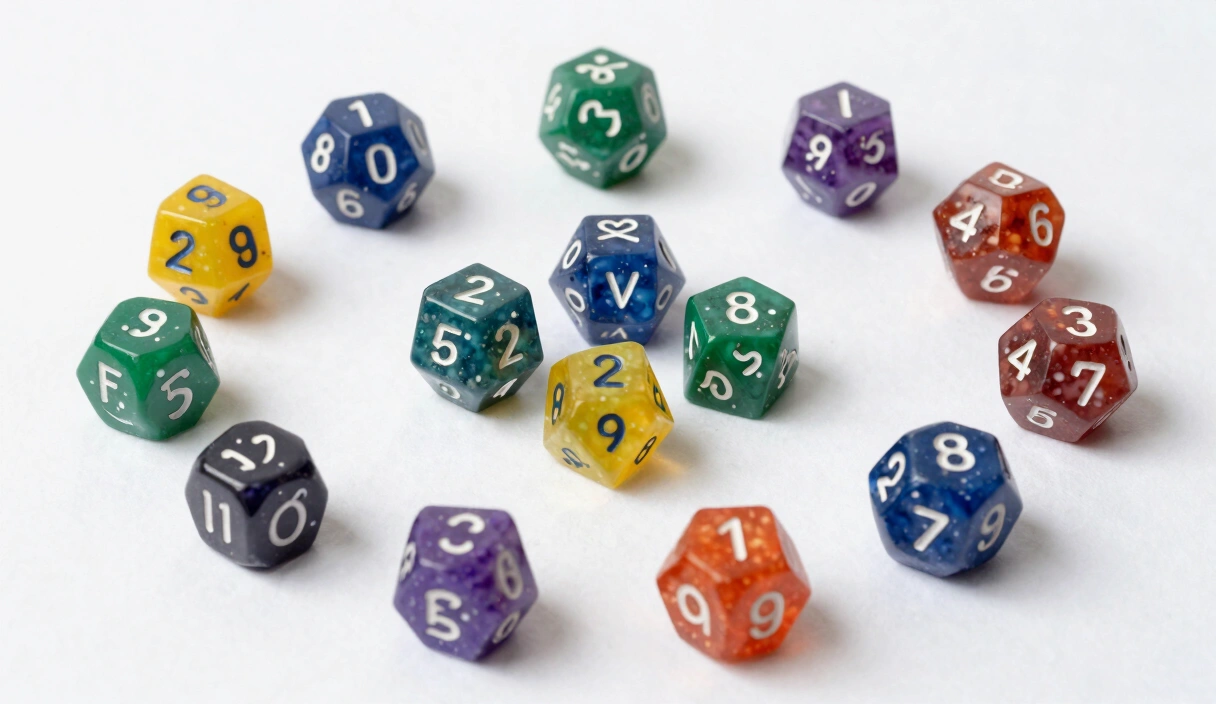
Chessex Dice: The Brand Everyone Starts With (and Whether to Stay)
Chessex dice sit in every game store on Earth, but are they good or just cheap? An honest breakdown of every product line, balance, and value.
Contents
You’re standing in a game store, probably for the first time or the fiftieth, and the dice wall is right there. Rows of plastic clamshells catching the overhead fluorescent light. Swirled colors, speckled colors, translucent colors. You pick up a set, flip it over to check the price — $9. You don’t even think about it. You buy it.
That set was almost certainly made by Chessex. And depending on who you ask, it’s either the only dice you’ll ever need or the first dice you’ll eventually outgrow. Both answers are honest.
Who Is Chessex
Chessex Manufacturing has been producing dice out of Fort Wayne, Indiana since 1987. That’s nearly four decades of polyhedral dice — longer than most TTRPG players have been alive. They didn’t invent the hobby, but they became its default supplier. Walk into any game store in North America, Europe, or Australia, and Chessex sets occupy more shelf space than every other dice brand combined.
Here’s the part most people don’t know: Chessex is the same company that distributes a massive portion of the gaming accessories market. Battlemats, dice bags, figure cases. The dice are what they’re known for, but the operation behind them is significantly larger than a small niche manufacturer.
Their dice are injection-molded acrylic, produced in high volume, tumbled smooth in factory drums. This process is what keeps a full polyhedral dice set under $12. It’s also what creates the rounded edges and lightweight feel that some players love and others eventually want to move past.
Chessex Product Lines
Chessex doesn’t sell one type of die. They sell seven distinct product lines, and the differences are worth understanding before you grab whatever looks good on the rack.
Opaque
Solid single colors with contrasting number ink. Red with white numbers, blue with gold, black with white. These are the no-frills workhorses. If you want dice that are readable from across the table with zero visual distraction, Opaque is the line. They’re also the cheapest, often landing at $7-8 per set.
Translucent
Same color range as Opaque, but the acrylic is transparent. Light passes through them, which looks good on a white surface and terrible on a dark one — the numbers disappear. Translucent dice photograph well but can be frustrating in dim game-room lighting. If your group plays in a well-lit room, they’re fine. If you play by candlelight in someone’s basement, skip them.
Gemini
Two-tone color swirls. This is Chessex’s most popular line, and for good reason. The color combinations — Blue-Gold, Purple-Red, Steel-Teal — have a depth that the single-color lines lack. The swirl pattern is created by mixing two colored acrylic streams during injection, which means every die in your set has a slightly different pattern. Gemini sets run $8-10 and represent the best balance of looks and legibility in the Chessex catalog.
Borealis
Translucent dice with a shimmering, iridescent quality. The original Borealis line from the late 1990s and early 2000s is genuinely collectible — those older sets had a glitter distribution that Chessex hasn’t been able to perfectly replicate. Current production Borealis sets are still attractive, but collectors pay $40-80 for sealed original runs. Worth knowing if you find old stock at a garage sale.
Lustrous
A metallic sheen over opaque colors. They catch light at certain angles and look almost pearlescent. Lustrous sets are less popular than Gemini but have a loyal following among players who want something that reads as slightly premium without leaving the Chessex price range.
Nebula
Swirled semi-translucent colors that mimic gas clouds. These are the “artsy” Chessex line — the closest the brand gets to the layered color effects you see in handmade resin dice. Nebula sets tend to sell out faster than other lines and command slight premiums on the secondary market. If one catches your eye at your local store, grab it.
Speckled
Opaque dice with flecks of contrasting color mixed into the acrylic. Think granite countertop texture. Speckled sets are polarizing — some players love the organic, stone-like look, others think they look like they were made from recycled plastic. Readability is decent but not as clean as Opaque or Gemini.
Maker’s Note: If you’re choosing your first Chessex set, go Gemini. The two-tone swirl gives you visual interest, the number inking is consistently legible, and the color range is wide enough that you’ll find something that matches your character concept.
Quality and Balance
This is where honesty matters. Chessex dice are tumbled acrylic. They are not precision dice. They are not handmade. They are not balanced to casino standards. And that’s fine — but you should know what you’re getting.
The factory tumbling process rounds off edges and smooths faces after the dice are ejected from molds. This makes them comfortable to handle and quieter to roll, but it removes the sharp geometry that contributes to truly random results. A Chessex d20 will have slightly rounded edges where each face meets, and those edges affect how the die transitions between faces during a roll.
Does this matter for your Tuesday night game? No. Over 50 rolls in a session, the statistical impact of edge rounding is buried in normal variance. You won’t notice it. Your character won’t notice it.
Does it matter if you’re the kind of person who does a dice balance test on every new set? Then yes, you’ll see the difference. Float a Chessex die in salt water and spin it — most will show mild bias. Float a precision-made resin die or a quality metal die and you’ll typically see less.
The frustrating part is that Chessex could produce sharper dice. The molds start sharp. It’s the post-production tumbling that rounds everything off, and they do it because rounded dice are cheaper to finish and less likely to chip during shipping. It’s a business decision, not a quality limitation. That distinction matters.
Compared to handmade resin dice from artisan makers or machined metal sets from brands like Die Hard, Chessex dice sit squarely in the “good enough” category for balance. They’re better than the cheapest Amazon no-name sets. They’re worse than anything made with precision in mind.
Price and Value
Here’s where Chessex earns its reputation, and where no competitor has managed to touch them.
A standard Chessex 7-piece set — d4, d6, d8, d10, percentile, d12, d20 — costs $8-12 depending on the product line and retailer. That’s the price of a mediocre sandwich. For dice that will survive years of weekly play.
But the real value play is the Pound-O-Dice. Chessex sells literal bags of dice by weight — roughly 80-100 assorted dice per pound for around $35-40. The dice are random colors, random lines, and include a mix of polyhedrals. You won’t get matching sets, but you’ll get a mountain of functional dice.
The Pound-O-Dice is unbeatable for three scenarios:
- DMs who need table supply dice. New player shows up without dice? Reach into the bag. Problem solved.
- Teachers running school RPG clubs. You need 30 d20s for a classroom of kids, and your budget is tiny. One bag covers it.
- Crafters who want dice for non-gaming projects. Resin artists embedding dice in jewelry, tabletop builders gluing dice into terrain — a Pound-O-Dice is the cheapest source material available.
For anyone building their best dice for D&D collection on a budget, Chessex is the obvious starting point. Not the ending point, necessarily. But the starting point.
When to Upgrade Beyond Chessex
Chessex dice are the Honda Civic of the dice world. Reliable, affordable, everywhere. But at some point, you might want something that feels different in your hand. Here’s when it makes sense to move up.
When you want sharp edges. Tumbled acrylic will never give you the crisp geometry of a sharp-edge resin die. If you’ve held a Die Hard Dice Avalore set or a Kraken Dice Iconic set and felt the difference, you can’t unfeel it. That tactile upgrade is real.
When you want weight. A full Chessex set weighs about 28 grams. A metal set from Norse Foundry weighs 115 grams. The difference is dramatic. Some players find that heavier dice feel more serious — like the roll matters more when the die lands with a satisfying thunk.
Honestly, there’s something a little funny about the moment it happens. You’ve been perfectly happy rolling your $9 Gemini set for two years. Then someone at the table pulls out a handmade resin set with gold leaf inclusions and sharp edges that catch the light like tiny gemstones. Suddenly your dice look like they came from a gumball machine. The dice envy is real, and the hobby knows it.
When balance genuinely matters to you. If you’ve done the salt water test and your Chessex d20 keeps showing the same face, and that bothers you on a philosophical level, it’s time to look at precision options. You can make your own dice with better balance than a factory-tumbled set, or buy from artisans who prioritize it.
When you don’t need to upgrade: when your dice work, you enjoy rolling them, and you’d rather spend $50 on books, minis, or snacks for the table instead of seven small pieces of resin.
Where to Buy Chessex Dice
Chessex has the widest retail distribution of any dice brand. Finding them is never the problem.
Local game stores are the best option. You can see the exact color in person, hold the dice, and support a local business. Prices are typically MSRP ($8-12 per set), and most stores carry 20-40 Chessex SKUs at any given time.
Amazon offers the full Chessex catalog with Prime shipping. Prices occasionally dip below MSRP during sales. The Pound-O-Dice bags are almost always available here. Be careful with third-party sellers listing “Chessex” at inflated prices for discontinued colorways — check that the seller is Chessex or Amazon directly.
Direct from Chessex via their website (chessex.com) gives you access to their complete product line, including colors that smaller retailers don’t stock. Shipping is standard and prices are MSRP. No particular advantage over a local store unless you want a specific colorway they don’t carry.
Dice Storage
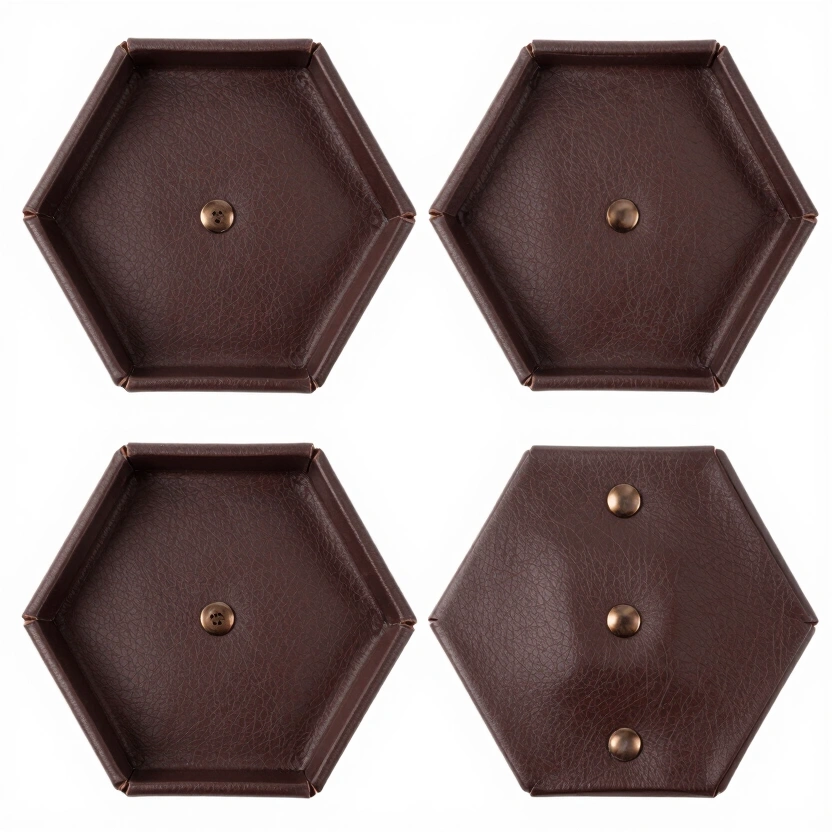
Folding Leather Dice Tray (Hexagonal)
Premium PU leather dice tray. Snaps flat for storage. Protects dice and tables during play.
Check Price on Amazon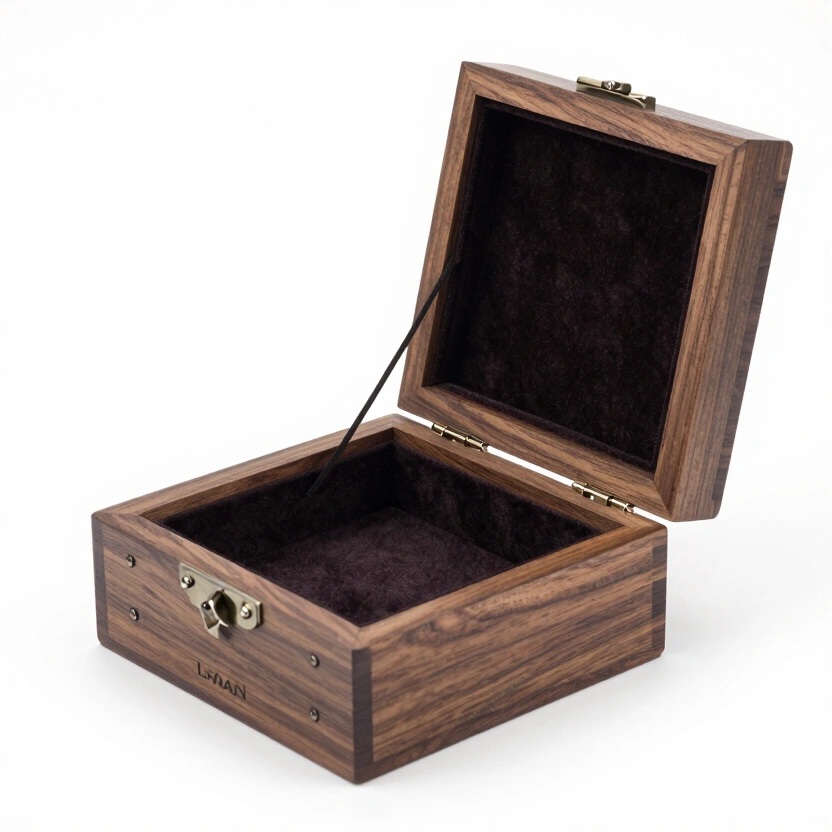
Treasure Chest Dice Box (Resin Mold Compatible)
Snap-lock treasure chest for dice storage. Also available as a resin casting mold to make your own.
Check Price on Amazon* Affiliate links. Prices last updated March 6, 2026.
Frequently Asked Questions
Are Chessex dice balanced?
They’re balanced enough for casual play but not precision-balanced. The factory tumbling process rounds edges, which introduces minor bias. If you float a Chessex d20 in salt water, you’ll likely see slight favoring of certain faces. For weekly D&D sessions, this has no meaningful impact on your game. For anyone who wants verified balance, a dice balance test will show you exactly where your set stands.
What is the best Chessex dice line?
Gemini. The two-tone color swirl looks significantly better than solid Opaque sets, the number inking is consistently readable, and the price difference is only $1-2 more per set. Borealis is a close second if you prefer the iridescent shimmer look, but older Borealis production runs are more desirable than current ones.
Are Chessex dice good for D&D?
Yes. Millions of D&D sessions have been played with Chessex dice since the late 1980s. They’re readable, durable, affordable, and available everywhere. They won’t win aesthetic awards next to artisan resin or gemstone sets, but they function exactly as well for actual gameplay. A $9 Chessex set and a $90 handmade set produce the same d20 range: 1-20.
How many dice come in a Chessex Pound-O-Dice?
Approximately 80-100 assorted dice per bag, depending on the sizes included. You won’t get complete matching sets — the dice are random colors and types pulled from excess inventory and mixed production runs. Expect a good spread of d6s and d20s with fewer d4s and d12s. At roughly $35-40 per bag, the per-die cost drops to around $0.40, which is the cheapest way to acquire functional polyhedral dice in volume.
Chessex won’t be the last dice brand you buy from. At some point, you’ll see a set of sharp-edge resin dice with galaxy swirls and gold numbering, and your Chessex collection will feel a little less special. That’s normal. That’s the hobby working as intended.
But here’s what Chessex does that no artisan maker, no premium metal brand, and no gemstone carver can match: they put functional, affordable dice in front of every new player who walks into a game store. That first set — the one you bought without thinking, the one that got you rolling — was almost certainly theirs. And for a lot of players, that set is still in rotation years later, paint wearing thin on the d20, still rolling just fine.
Not every product needs to be the best. Some just need to be there.
Related Articles
Best Dice for DnD: Honest Picks After Testing 40+ Sets
Most 'best dice' lists are just affiliate dumps. I bought 40+ sets with my own money and ranked them by what actually matters at the table.
Gemstone Dice: Beautiful, Fragile, and Worth It (Maybe)
Gemstone dice cost $50-200+, chip on hard surfaces, and test poorly for balance. Here's which stones hold up, which brands deliver, and whether they're worth your money.
Metal Dice Sets: The Weight, the Sound, and the Dented Tables
Metal dice sets compared by alloy, budget, and durability. Zinc, brass, copper, tungsten — plus the downsides sellers won't mention and how to care for them.