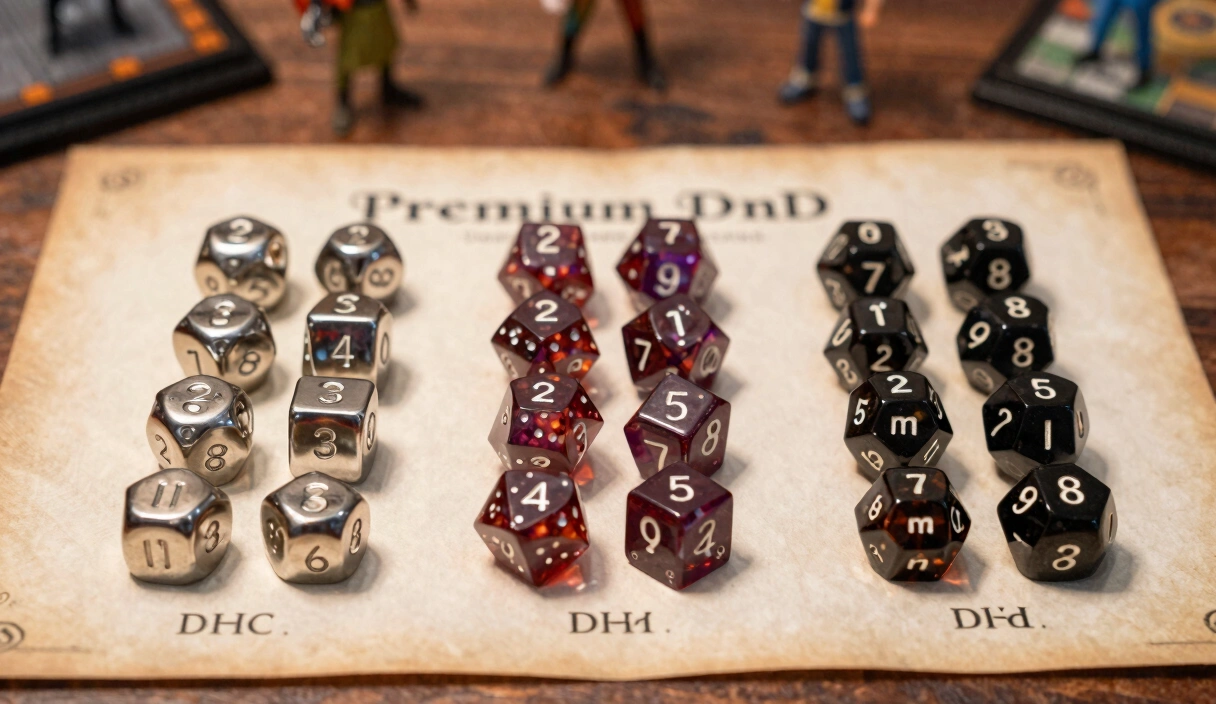
Best Dice for DnD: Honest Picks After Testing 40+ Sets
Most 'best dice' lists are just affiliate dumps. I bought 40+ sets with my own money and ranked them by what actually matters at the table.
Contents
Last summer I dumped roughly $600 on dice in a single month. My partner found the shipping boxes stacked behind my desk and asked if I was starting a casino. I wasn’t — I was trying to answer a question that kept nagging me every time I saw another Reddit thread full of conflicting recommendations: which dice are actually worth buying for D&D?
I tested sets from $5 gas station specials to $140 hand-carved gemstone polyhedrals. I rolled them on hardwood, on playmats, on hotel beds during convention weekends. Some cracked. Some rolled beautifully. One metal d4 left a dent in my dining table that I’m still explaining to guests.
Here’s what I found, organized by price tier, with specific picks and honest opinions.
Best Budget Dice Sets ($5–15)
Let’s get something out of the way: cheap dice work. If you’re starting D&D and you need a set to roll tonight, a $7 set of Chessex dice will serve you for years. The people who tell you that you need premium dice to play the game are the same people who insist you need a $300 mechanical keyboard to type emails.
That said, not all budget sets are equal.
Chessex Gemini (Around $8–10)
Chessex has been manufacturing polyhedral dice since the 1980s, and their Gemini line remains the workhorse of the TTRPG hobby. You get a full 7-piece set — d4, d6, d8, d10, percentile die, d12, and d20 — in a two-tone color swirl with readable numbers.
Pros:
- Consistent sizing across the full polyhedral set
- Wide color range (30+ Gemini combinations)
- Readable number inking that holds up over time
- Available at basically every game store on Earth
Cons:
- Acrylic material feels lightweight compared to resin or metal
- Edges are rounded from factory tumbling, which purists dislike
- The d4 numbering uses the old vertex-read style that some players find annoying
I’ve had Chessex sets survive five years of weekly play. The paint on the numbers eventually wears on the d20 (the die you roll most), but a $3 bottle of acrylic paint and five minutes fixes that.
HDdice 5-Pack Sets ($12–15)
If you need volume — maybe you’re outfitting a whole table of new players, or you just want options — HDdice sells multi-set packs on Amazon that bring the per-set cost down to around $3.
Pros:
- Five or six complete 7-piece sets for under $15
- Good enough quality for casual play
- Lets new players pick their favorite color at session zero
Cons:
- Quality control is inconsistent; I’ve gotten sets where the d8 had a visible seam line
- Colors sometimes don’t match the listing photos
- Lighter weight than Chessex
Budget Winner: Chessex Gemini. The quality gap between a single Chessex set and the HDdice packs is noticeable. If you’re buying for yourself, spend the extra $3. If you’re buying for a table of five players who have never rolled a d20 before, grab the HDdice bulk pack and don’t think twice.
I’ve handed out dozens of HDdice sets to new players over the years. Not once has someone complained about their first set of polyhedral dice. They’re too busy learning what a d8 is.
Best Mid-Range Dice ($15–40)
This is where things get interesting. The jump from budget acrylic to mid-range dice isn’t just about aesthetics — it’s about feel. A well-made resin or zinc alloy die has a weight and presence that changes how rolling feels at the table. Some people don’t care about that. I do.
Die Hard Dice Avalore Series ($18–25)
Die Hard Dice operates out of the U.S. and has quietly built one of the most loyal followings in the TTRPG dice market. Their Avalore line is resin-based with sharp edges and vivid color work that punches well above its price point.
Pros:
- Genuinely sharp edges — not the rounded-off factory look
- Each set comes in a metal tin, which is a small touch that matters
- Excellent customer service (they’ve replaced damaged sets for me without hassle)
- Good number legibility with contrasting ink colors
Cons:
- Limited color runs mean popular sets sell out fast
- The d4 can be a little hard to read in dim lighting on some colorways
- Not as heavy as metal dice (some players prefer that heft)
Kraken Dice Iconic Series ($20–35)
Kraken Dice leans into dramatic aesthetics. Their Iconic series features layered color effects in resin — think deep ocean blues fading into blacks, or fiery reds with gold shimmer. They look like something a warlock would pull out of a component pouch.
Pros:
- Striking visual designs with layered colors and mica shimmer
- Solid weight for resin dice
- Good balance in the dice balance test (more on testing later)
- Strong brand with consistent quality across sets
Cons:
- Priced at the top of mid-range; some sets push past $30
- The most popular designs sell out during drops and take months to restock
- Packaging is basic compared to Die Hard’s metal tins
Here’s a number worth knowing: the average D&D player owns 3.2 sets of dice. The average dice collector owns 27. Mid-range is where most collectors start losing control of their budget, and I say that from personal experience.
Mid-Range Winner: Die Hard Dice Avalore. The sharp edges, the metal tin, the customer service — Die Hard delivers a premium-feeling product at a mid-range price. Kraken makes gorgeous dice, but Die Hard offers better overall value when you factor in packaging and support.
Best Premium Metal Dice ($30–80)
Metal dice are polarizing. Some players swear by the weight and the satisfying clunk they make when they hit the table. Others (and some DMs) hate them because they dent wooden surfaces, crack plastic dice trays, and sound like someone dropped a wrench during a tense roleplay scene.
I like them. But I use a padded rolling tray. That’s non-negotiable.
Norse Foundry Zinc Alloy Sets ($35–55)
Norse Foundry is one of the bigger names in the metal dice space, and their standard zinc alloy sets are the entry point most people encounter. They’re solid, hefty, and available in a wide range of finishes from brushed steel to antique gold.
Pros:
- Satisfying weight — each die feels substantial in your hand
- Durable; these will outlast you
- Deep number engravings that hold paint well
- Available in 15+ finishes
Cons:
- Will absolutely destroy an unprotected table surface (the d4 is a tiny weapon)
- Some finishes develop patina over time — this is either a pro or a con depending on your taste
- Zinc alloy is heavier than you expect; rolling a full handful gets tiring during long sessions
Level Up Dice Sculpted Metal ($50–80)
Level Up Dice operates in a different space. Their metal sets feature intricate sculpted designs — dragons wrapping around the d20, Celtic knotwork on every face, gothic cathedral motifs. These are as much display pieces as functional gaming dice.
Pros:
- Stunning craftsmanship with detailed sculpted designs
- Each set tells a visual story
- Excellent gift option for the player who has everything
- Premium presentation box included
Cons:
- The sculpted details can make numbers harder to read across the table
- Higher price point than plain metal sets for what amounts to aesthetic detail
- Some designs have raised elements that affect how the die settles — not ideal if you care about randomness
One thing that surprised me: my Level Up Dice d20 with the dragon sculpt actually became a conversation starter at conventions. Strangers would lean over and ask about it. If that matters to you — and for some people the social element of cool dice is half the fun — that’s worth the premium.
Premium Metal Winner: Norse Foundry. For pure functionality, Norse Foundry’s standard zinc alloy sets are the better buy. Level Up Dice makes art objects that happen to be rollable, and they’re worth it if aesthetics are your priority. But if you want metal dice that perform well session after session, Norse Foundry strikes the right balance between form and function. Just buy a dice tray.
Best Gemstone Dice ($50–150+)
Gemstone dice are carved from actual stone — amethyst, obsidian, rose quartz, tiger’s eye, labradorite. They’re beautiful. They’re also fragile, expensive, and kind of impractical for regular play. I bought three gemstone sets. I use one of them at the table. The other two sit on my shelf looking pretty.
That’s the honest truth about gemstone dice, and most review sites won’t tell you that.
What You’re Actually Getting
Gemstone dice are CNC-carved or hand-carved from natural stone. The material is real, which means each set has unique color variations, veining, and inclusions (the geological kind, not the resin kind). A set of amethyst dice won’t look exactly like anyone else’s set of amethyst dice.
Pros:
- Genuinely unique — natural stone means no two sets are identical
- The weight and temperature of stone feel different from any other material
- Impressive display pieces and conversation starters
- Some stones (like obsidian) have cultural and mythological associations that add flavor to character themes
Cons:
- Fragile; dropping a gemstone d20 on a hard floor can chip or crack it
- Expensive; quality sets run $80–150, and premium stones like labradorite push past $200
- Number legibility varies wildly depending on stone color and engraving depth
- Not all sellers use quality stone — some cheap “gemstone” dice are dyed reconstituted material
Recommended Stones for Actual Play
If you’re going to use gemstone dice at the table (not just display them), stick with harder stones. Obsidian and tiger’s eye are your best bets — they’re relatively tough at 5.5–7 on the Mohs hardness scale. Fluorite looks gorgeous but sits at Mohs 4, which means it chips if you look at it wrong.
Here’s the contrarian take: gemstone dice are a worse value than handmade resin dice at every price point. A $100 resin set from a skilled artisan will be more balanced, more readable, more durable, and more visually creative than a $100 gemstone set. You buy gemstone dice because you want stone, not because you want the best dice.
Gemstone Pick: Obsidian sets in the $60–80 range. They’re dark, dramatic, surprisingly durable for stone, and the number engravings show up clearly with light-colored ink. Skip the rose quartz unless you want a display piece — the pale color makes numbers nearly invisible.
Best Handmade Resin Dice ($30–100+)
This is my territory. I make my own dice, so I know exactly what goes into a handmade set — and I know what separates a $30 set from a $100 set.
Handmade resin dice from artisan makers are the sweet spot of the dice market. They offer the most creative designs (petri effects, liquid cores, embedded inclusions, sharp edges), and because they’re made in small batches by individual crafters, each set has character that mass-produced dice can’t match.
What Justifies the Price
A handmade set of sharp-edge resin dice takes 3–5 days to produce from pour to polish. The maker mixes epoxy resin with colorants and inclusions, pours into silicone molds, pressure-cures at 40 PSI for 24 hours, then demolding, sanding through a 7-stage grit progression (400 through 3000), polishing with Zona papers, and hand-inking every number.
The dice making supplies alone — resin, pigments, molds, pressure pot — represent hundreds of dollars in startup costs before a maker pours their first set.
When someone charges $80 for a set of handmade dice, they’re charging for:
- 4–8 hours of hands-on labor
- Material costs ($5–15 per set depending on inclusions)
- Equipment amortization
- Failed batches (even experienced makers have a 10–20% failure rate)
- The skill built over hundreds of previous sets
Is $80 a lot for seven small pieces of resin? Sure. Is it a fair price for the work involved? Absolutely.
Where to Find Quality Artisan Dice
The best artisan dice makers sell through Etsy, Instagram shops, and their own websites. A few names worth knowing:
- Dispel Dice — Known for clean color work and sharp edges. Sets run $50–85. Their quality control is among the best in the artisan space.
- Heartbeat Dice — LGBTQ+ pride-themed sets with portion of proceeds donated. $35–65. Good entry point into artisan dice.
- Etsy searches — Search “handmade sharp edge dice” and filter by reviews. Look for makers with 100+ sales and photos of actual product (not renders).
What to watch for: If an “artisan” seller has 200 different designs all in stock simultaneously, they’re likely reselling mass-produced Chinese dice with an artisan markup. Real artisan makers have limited stock, often sell through drops, and can tell you their dice making techniques if you ask.
Here’s where I’ll be honest with you: a lot of dice marketed as “handmade” on Etsy aren’t. They’re manufactured overseas, imported in bulk, and relisted at a 300% markup. If the price seems too good for sharp-edge resin dice with complex inclusions, it probably is. Check the shop’s about section and review photos.
Handmade Resin Winner: Dispel Dice. Consistent quality, genuine artisan production, and prices that are fair for the work involved. They sell out fast during drops, so follow them on social media for restock notifications.
How to Tell If Dice Are Balanced
You bought a beautiful set. Now the question: do they actually roll fair?
Perfect balance in dice is a spectrum, not a binary. No die — not even casino dice — is mathematically perfect. But some dice are noticeably worse than others, and if your d20 favors certain numbers, that’s a problem whether you’re rolling for attack or rolling for death saves.
The Salt Water Float Test
The most accessible test for dice balance is the salt water float test. Here’s the short version:
- Dissolve salt in warm water until a die floats (takes a lot of salt — roughly 1/3 cup per cup of water)
- Gently spin the floating die
- If it consistently settles with the same number facing up, that face is lighter (meaning the opposite side is heavier)
- Repeat 10+ times to confirm
I’ve written a full walkthrough in the dice balance test guide, including what “acceptable” bias looks like versus a die you should retire.
What Affects Balance
- Air bubbles trapped during manufacturing create light spots. This is the most common cause of bias in resin and acrylic dice.
- Uneven number engravings — deeper cuts remove more material, making that face lighter. This matters more on smaller dice like the d20 where the numbers 18, 19, 20 have different carving depths than single digits.
- Inclusions — that tiny dragon skull embedded in your resin d20 might look cool, but it’s almost certainly not centered precisely enough to maintain balance.
- Material inconsistency — natural stone dice (gemstone sets) have internal density variations that no amount of quality control can fully eliminate.
Metal dice and quality acrylic dice (like Chessex) tend to test the most balanced. Handmade resin dice with inclusions tend to test the least balanced. That’s a trade-off you make knowingly.
Does Balance Actually Matter?
For casual D&D? Honestly, not much. The statistical impact of a slightly biased die over a typical session (maybe 30–50 rolls) is negligible. You’d need hundreds of rolls for bias to meaningfully affect outcomes.
For competitive play or if it just bothers you philosophically? Test your dice. Keep the fair ones in rotation. Display the pretty-but-biased ones on your shelf.
Quick Comparison Table
| Category | Top Pick | Price Range | Best For |
|---|---|---|---|
| Budget | Chessex Gemini | $8–10 | New players, weekly play |
| Mid-Range | Die Hard Dice Avalore | $18–25 | Players who want quality without overspending |
| Premium Metal | Norse Foundry Zinc Alloy | $35–55 | Players who love weight and durability |
| Gemstone | Obsidian sets | $60–80 | Display and occasional play |
| Handmade Resin | Dispel Dice | $50–85 | Players who value artisan craft and unique designs |
Dice Accessories
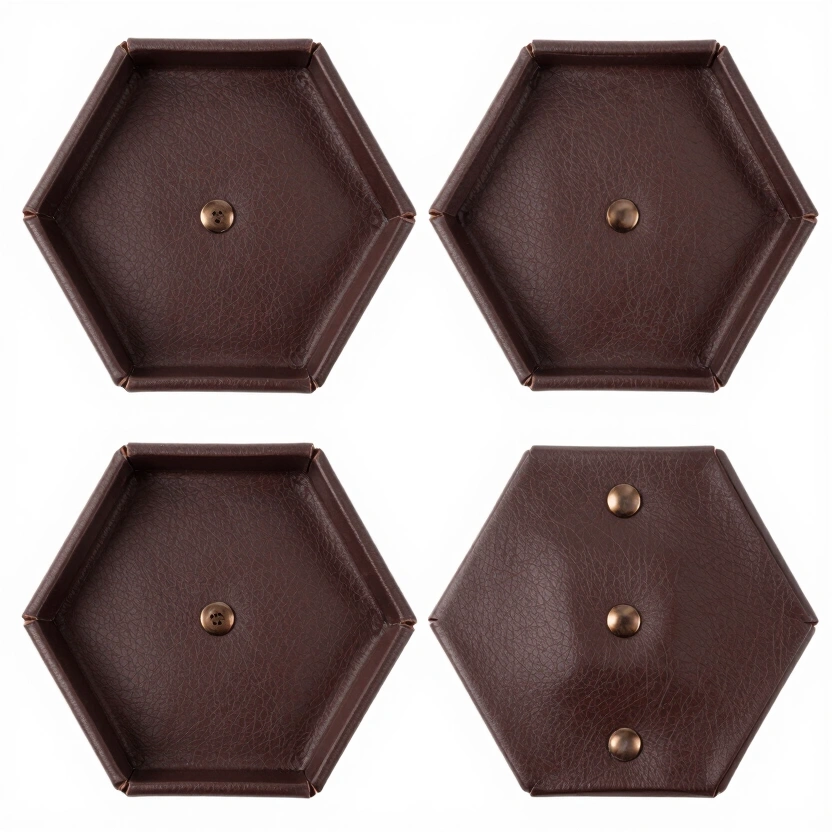
Folding Leather Dice Tray (Hexagonal)
Premium PU leather dice tray. Snaps flat for storage. Protects dice and tables during play.
Check Price on Amazon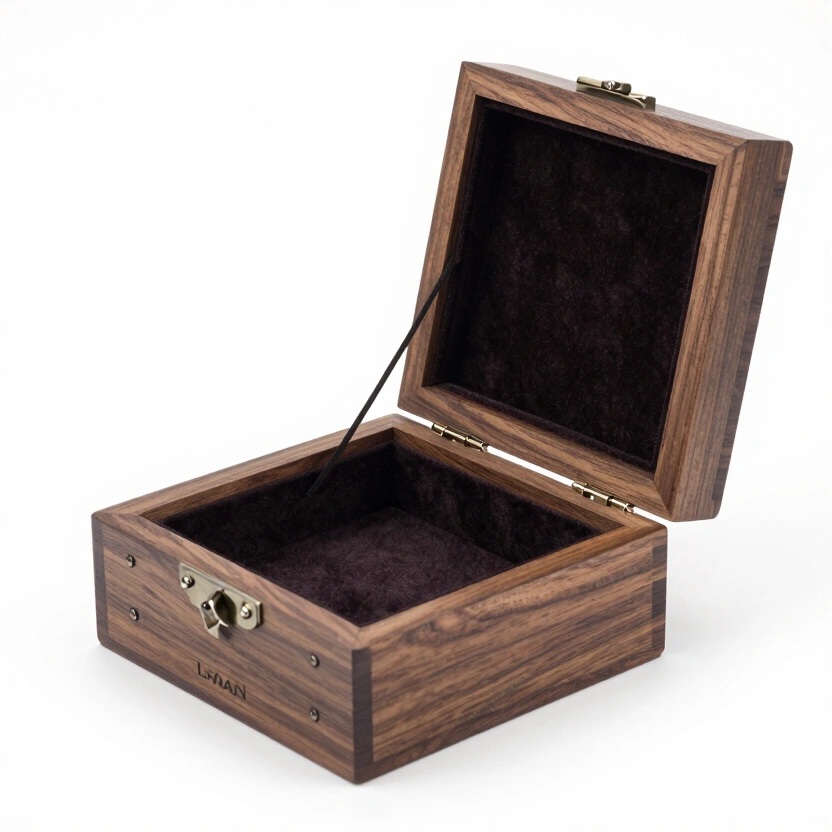
Treasure Chest Dice Box (Resin Mold Compatible)
Snap-lock treasure chest for dice storage. Also available as a resin casting mold to make your own.
Check Price on Amazon
KISREL DND Dice Mold + Organizer Box
All-in-one: 7 dice cavities plus a storage box mold. Perfect starter gift for aspiring dice makers.
Check Price on Amazon* Affiliate links. Prices last updated March 6, 2026.
Frequently Asked Questions
What dice do you need for D&D?
A standard D&D set includes seven polyhedral dice: one d4, one d6, one d8, one d10, one percentile die (d10 marked in tens), one d12, and one d20. Any complete polyhedral set from any manufacturer will cover you. Some players carry extra d6s for damage rolls (fireball uses 8d6, for example), but one set is enough to start.
Are expensive dice better than cheap dice?
Not functionally. A $7 Chessex set rolls just as randomly as a $70 artisan set in most cases. What you pay for at higher price points is aesthetics, materials, weight, and craftsmanship. Expensive dice feel different, look different, and carry different emotional weight at the table. Whether that’s worth it is entirely personal.
Are metal dice bad for tables?
Yes, if you roll them on unprotected surfaces. Metal dice — especially zinc alloy sets — will dent wood, scratch glass, and crack plastic. Use a dice tray with a padded or felt-lined interior. A leather or neoprene rolling mat works too. Your DM (and your furniture) will thank you.
How can I tell if a die is fair?
The salt water float test is the easiest method at home. Float the die in heavily salted water and spin it repeatedly. If the same number faces up consistently, the die has a balance issue. For a detailed walkthrough, check the full dice balance test guide. Keep in mind that minor bias is normal and doesn’t meaningfully affect casual play.
Why are handmade dice so expensive?
A single set of handmade sharp-edge resin dice takes 3–5 days from pour to polish. The process involves pressure casting, 24-hour cure times, multi-stage sanding through seven grits, hand polishing, and individual number inking. Factor in material costs, failed batches (10–20% failure rate even for experienced makers), and equipment investment, and $60–100 per set is a fair price for the labor involved. If you’re curious about the process, you can learn to make your own dice — just be warned, it might make you appreciate the price tag even more.
The dice market has exploded since the Critical Role era brought millions of new players into D&D. That’s mostly good — more options, more artisans, more innovation in materials and design. But it also means more noise, more hype, and more overpriced products riding the demand wave.
My advice: start with a Chessex set. Play with it. Figure out what you wish was different — the weight, the look, the feel, the sharpness of the edges. Then upgrade with intention. The best dice for D&D aren’t the most expensive ones. They’re the ones that make you want to pick them up and roll.
Related Articles
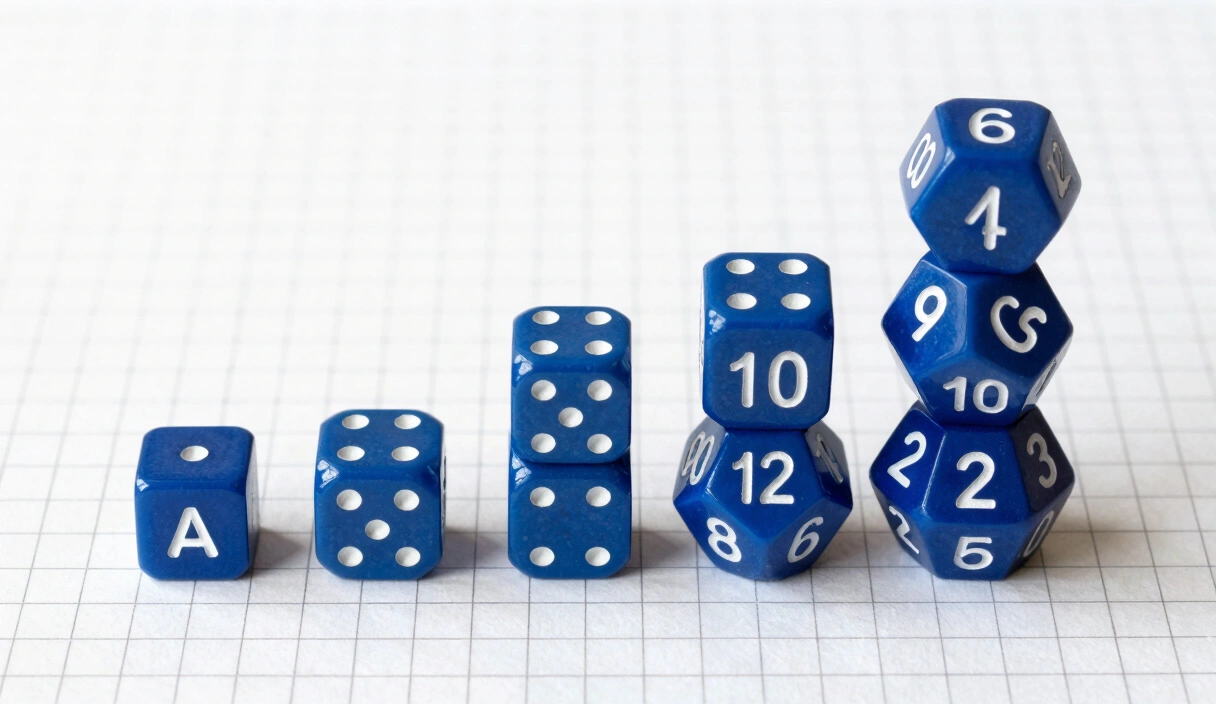
Polyhedral Dice Sets: What's Inside, What to Buy, and Why It Matters
A 7-piece polyhedral dice set holds 7 distinct shapes. We compare materials, brands, and price tiers with real data to help you pick the right set.
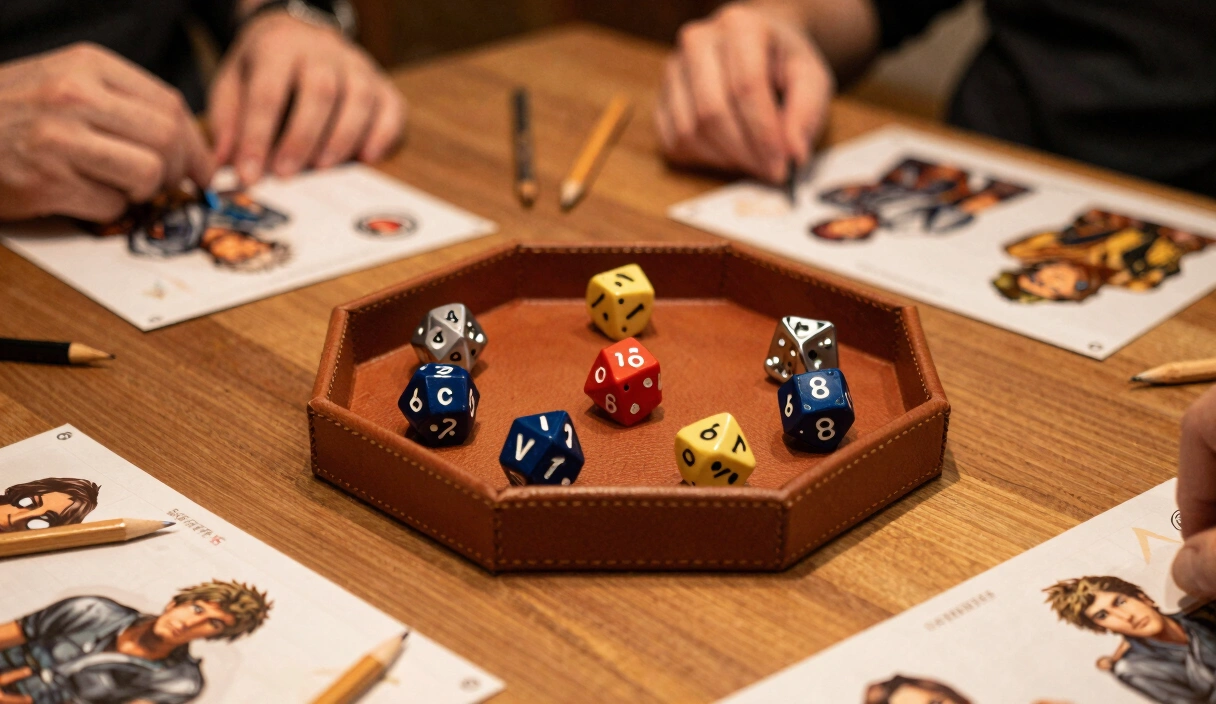
Best DnD Dice Trays: From $10 Folding to Handmade Leather
Your dice deserve better than the floor. We compare folding, wooden, and handmade leather dice trays by price and durability — plus three DIY builds.
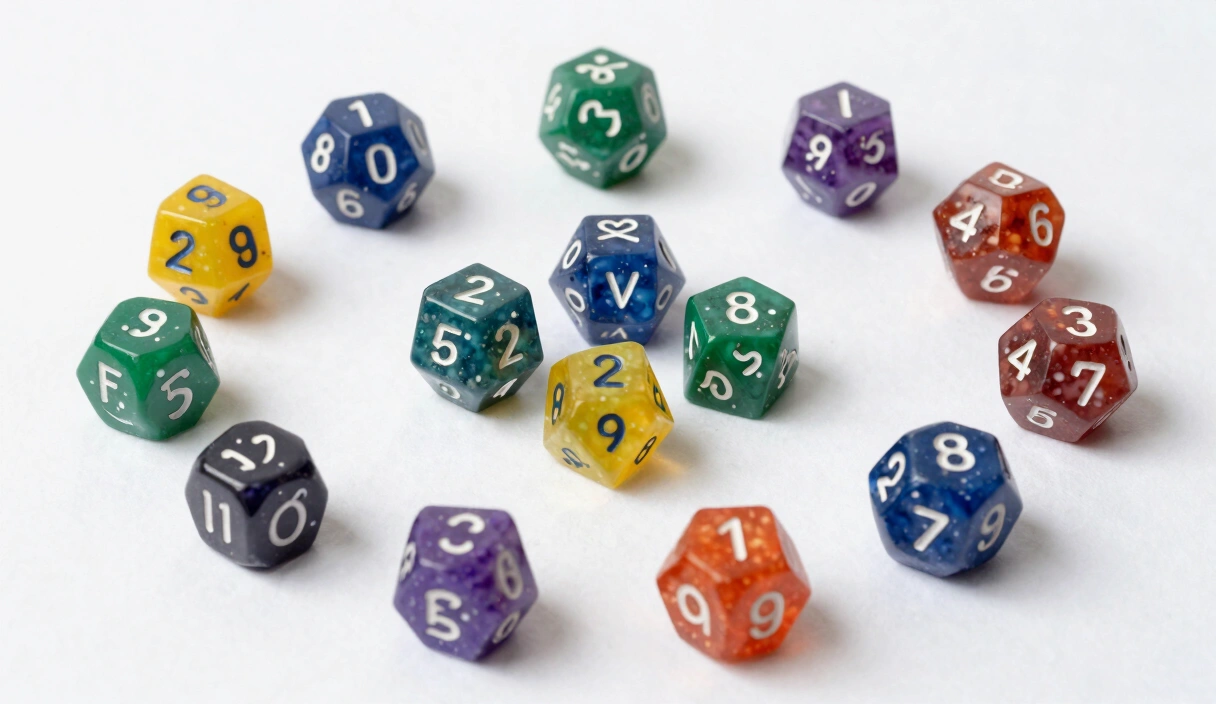
Chessex Dice: The Brand Everyone Starts With (and Whether to Stay)
Chessex dice sit in every game store on Earth, but are they good or just cheap? An honest breakdown of every product line, balance, and value.