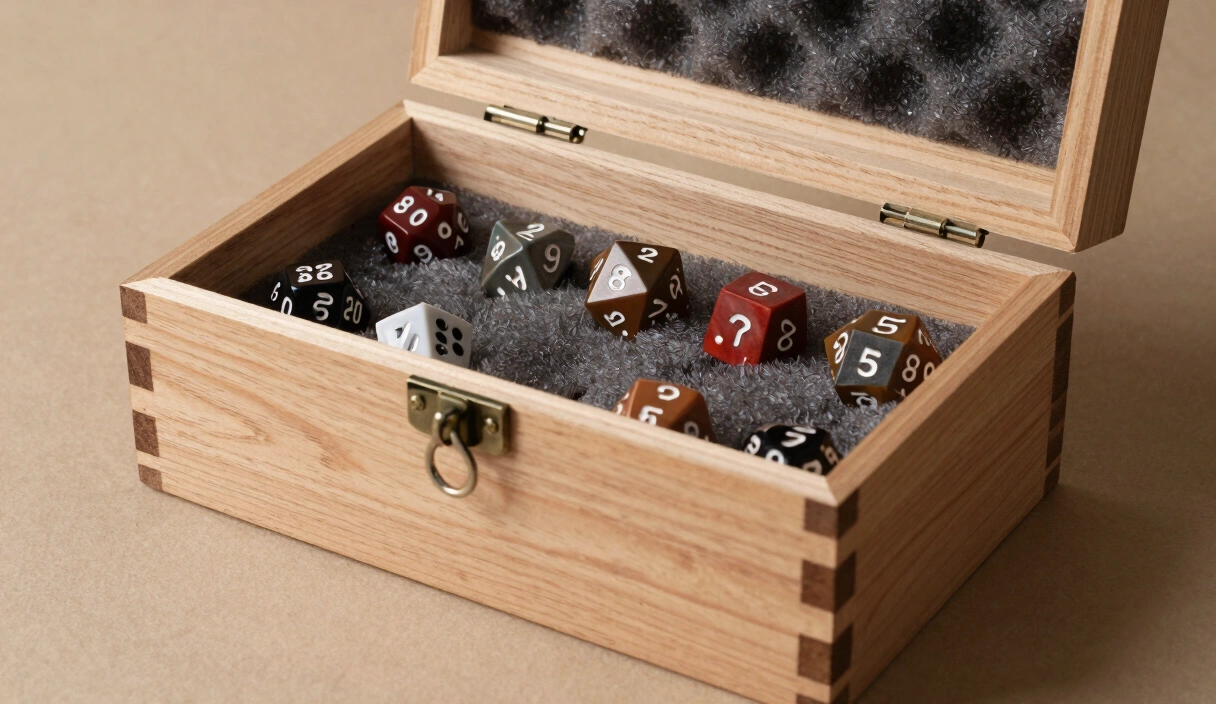
Dice Vaults: Premium Storage for Dice That Deserve Better Than a Bag
Your $80 gemstone dice are rattling loose in a Crown Royal bag. A dice vault fixes that — we compare Wyrmwood, Die Hard, 3D printed, and DIY options.
Contents
A single d20 made from amethyst weighs about 22 grams and costs between $60 and $120 depending on the stone quality. Drop it from table height onto a hardwood floor and you get two things: a chip on the face and a sick feeling in your stomach. Now picture seven gemstone dice loose in a cloth bag, clicking against each other every time you pick it up, every time you set it down, every time you toss it into a backpack for game night. Each contact is a tiny collision — stone on stone, edge on edge. Over a few months, that bag becomes a rock tumbler in slow motion.
A dice vault exists to solve exactly this problem. Not every set needs one. But the sets that do need one really need one.
What Is a Dice Vault?
A dice vault is a hard-shell storage container with individual compartments sized to hold each die in a standard polyhedral set. Think of it as a jewelry box engineered specifically for dice geometry — a d20 slot, a d12 slot, slots for d10s, d8, d6, and d4, each shaped or padded so the die sits snugly without touching its neighbors.
The shell is typically wood, metal, or rigid plastic. The interior is foam, felt, or flocked material. Most vaults hold a single 7-piece set, though some accommodate 14 dice (two full sets) or include extra slots for additional d6s.
The key distinction: A dice bag holds dice. A dice vault protects dice. Bags are soft-sided, meaning dice contact each other constantly. Vaults isolate each die in its own space with padding on all sides.
Many vaults double as display pieces. Magnetic closures, engraved lids, exotic wood species, or machined aluminum — the vault sits on your game shelf between sessions looking like an artifact, then opens at the table to reveal your set nested in velvet. For players who treat their dice as both tools and collectibles, that dual purpose matters.
Who Needs a Dice Vault?
Not everyone. If you play with a $12 set of Chessex acrylic dice, a bag or even a loose pocket works fine. Acrylic is tough, cheap to replace, and shrugs off contact damage.
A vault starts making sense when one or more of these apply:
- Gemstone dice. Amethyst, lapis lazuli, tiger’s eye, obsidian — natural stone is beautiful and fragile. A chip on a gemstone die is permanent. There’s no sanding it out, no repolishing at home. One bad knock and the face is scarred.
- Metal dice. Zinc alloy and brass dice are hard enough to damage other dice they contact, and soft enough to develop scratches and patina marks from uncontrolled friction. Metal on metal without padding accelerates surface wear.
- Handmade resin sets. If you or someone else spent 30+ hours making a set with custom inclusions, hand-polished faces, and sharp edges — those edges dull when resin dice rub against each other in a bag. A vault keeps every edge exactly as finished.
- Sentimental or irreplaceable sets. The dice your friend made before they moved away. The set you bought at your first convention. The one your partner gave you. Replacement isn’t the point when the object is the memory.
Imperative Warning: If you own gemstone dice and you’re currently storing them in a shared bag with other sets, stop. Take them out today. Even wrapping each die in a scrap of tissue paper is better than loose stone-on-stone contact.
The common thread is that the dice cost enough — in money, time, or emotional weight — to justify protection that a bag can’t provide.
Best Dice Vaults Reviewed
Four categories dominate the market, each at a different price point and quality tier.
Wyrmwood Magnetic Hex Vault — $40-80
Wyrmwood is the name most players encounter first, and for good reason. Their hex vault is a hexagonal hardwood box with a magnetic closure, foam insert, and slots for a full 7-piece set. Wood species range from walnut ($40) to purpleheart and bocote ($80+), with limited seasonal releases running higher.
What works: The magnetic closure is satisfying and secure — strong enough that the vault won’t pop open in a bag, gentle enough to open one-handed at the table. Build quality is consistently high. The foam inserts grip dice firmly without requiring a perfect size match.
What doesn’t: The price-to-material ratio is steep. You’re paying for the Wyrmwood brand, the finishing quality, and the limited-run wood options. The foam inserts can compress over time with heavier dice sets (metal especially), eventually holding dice less snugly.
Best for: Players who want a single premium vault they’ll keep for years and don’t mind paying brand premium for consistent quality.
Die Hard Dice Metal Cases — $25-40
Die Hard Dice offers machined aluminum and alloy cases with magnetic closures and die-cut foam. The aesthetic is industrial rather than artisan — clean lines, anodized color options, and a compact rectangular profile.
What works: Metal exterior means near-zero risk of the vault itself being damaged in transport. The price undercuts Wyrmwood significantly for equivalent protection. Multiple color options let you match the case to your set.
What doesn’t: The metal-on-metal sound when the case contacts a table or another object in your bag can be annoying. No wood warmth or organic character. The die-cut foam is sized for standard dice dimensions — oversized or unusually shaped dice may not fit.
Best for: Players who prioritize protection and portability over aesthetics, or who carry dice in a backpack where a wood vault might get banged around.
3D Printed Vaults — $15-30
Etsy and MyMiniFactory are full of printable dice vault STL files, and many sellers offer finished prints. Designs range from simple snap-lid boxes to elaborate dragon eggs, mimics, treasure chests, and character-themed vaults. Materials are typically PLA or PETG filament.
What works: Price. A printed vault with foam insert runs $15-25 from most Etsy sellers. If you own a 3D printer, the filament cost is $2-5 per vault. Design variety is unmatched — no other category offers this range of shapes and themes.
What doesn’t: Layer lines are visible on most prints unless post-processed. PLA is brittle under impact — drop a PLA vault on a concrete floor and it may crack. The fit-and-finish of interior compartments varies wildly between sellers and designs.
Data Point: Searching “dice vault” on Etsy returns over 15,000 results. Roughly 40% are 3D printed. Average price for a printed vault with foam: $22. Average price for a handmade wood vault: $65.
Best for: Players who want a themed or character-specific vault at a low price point, or makers who own a printer and want full customization.
Etsy Handmade Wood Vaults — $50+
Independent woodworkers on Etsy produce one-off or small-batch vaults from hardwoods, often with hand-carved details, inlays, leather linings, and custom engraving. Quality and price vary enormously — $50 gets you a clean walnut box with felt lining, while $150+ enters the territory of dovetail joints, exotic wood species, and hand-tooled leather interiors.
What works: Uniqueness. These are genuine craft objects. The best ones are heirloom-quality pieces that look and feel completely different from anything mass-produced.
What doesn’t: Lead times. Many sellers operate on 2-6 week turnaround. Quality control depends entirely on the individual maker — read reviews carefully. And returns on custom work are usually restricted.
Best for: Players who want something truly one-of-a-kind and are willing to wait for it.
DIY Dice Vault
Building your own vault ranges from trivially easy to genuinely challenging depending on your tools and ambitions.
3D Printed STL Files
The lowest-effort path if you own a printer. Sites like Thingiverse, MyMiniFactory, and Thangs host hundreds of free dice vault models. Download, slice, print. Most vaults print in 4-8 hours depending on size and infill. Add adhesive-backed felt or thin craft foam to the compartments for padding.
Honestly, this is where 3D printers justify their existence for tabletop players. Print a vault, print a dice tower, print a tray — the machine pays for itself in accessories.
Basic Woodworking Box with Foam Insert
Start with a small hinged wooden box — craft stores sell unfinished boxes in the 4 x 6 inch range for $5-8. Sand, stain, and finish the exterior. For the interior, cut a block of pick-and-pluck foam (the gridded kind sold for camera cases) to fit inside the box. Press out compartments for each die.
Total cost: $10-15. Total time: an afternoon, mostly waiting for stain to dry. The result won’t win a woodworking award, but it protects dice exactly as well as a $50 commercial vault. Add small rare-earth magnets to the lid and base for a magnetic closure — a $3 upgrade that makes the vault feel twice as expensive.
Upcycled Jewelry Box
This is the fastest option and costs nearly nothing. Find a jewelry box or small trinket box at a thrift store — the kind with a hinged lid and some interior depth. Remove any existing inserts. Cut craft foam to fit the interior and carve out dice-shaped compartments with a hobby knife.
The satisfaction here is disproportionate to the effort. You spend 20 minutes with scissors, foam, and a box that cost $2 at Goodwill, and the result holds your dice more securely than the Crown Royal bag they’ve been living in for three years.
Vault vs. Bag vs. Case: When Each Makes Sense
Every storage option has a context where it wins. Here’s the honest comparison.
| Feature | Dice Vault | Dice Bag | Hard Case |
|---|---|---|---|
| Protection | Excellent — individual compartments, hard shell | Poor — dice contact each other freely | Good — hard shell, shared interior |
| Capacity | 7-14 dice typically | 15-100+ dice | 20-50 dice |
| Portability | Moderate — bulky for one set | Excellent — compact, lightweight | Moderate — rigid shape |
| Display value | High — many double as shelf pieces | Low | Low to moderate |
| Price range | $15-150 | $5-30 | $15-50 |
| Best for | Premium/irreplaceable sets | Bulk storage, casual play | Multiple sets, travel |
A bag makes sense when you’re carrying a dozen sets to a game store and you don’t particularly care which d6 gets a scuff mark. A hard case — like a tackle box or camera case — works when you need to transport multiple sets safely but don’t need individual die isolation. A vault is the answer when you have one set (or two, or three) that you’d genuinely be upset to damage.
Most serious players end up owning all three. The bag holds the everyday rotation. The case goes to conventions. The vault stays on the shelf at home, holding the set that matters most, and comes out at the table on game night.
Dice Vaults and Storage
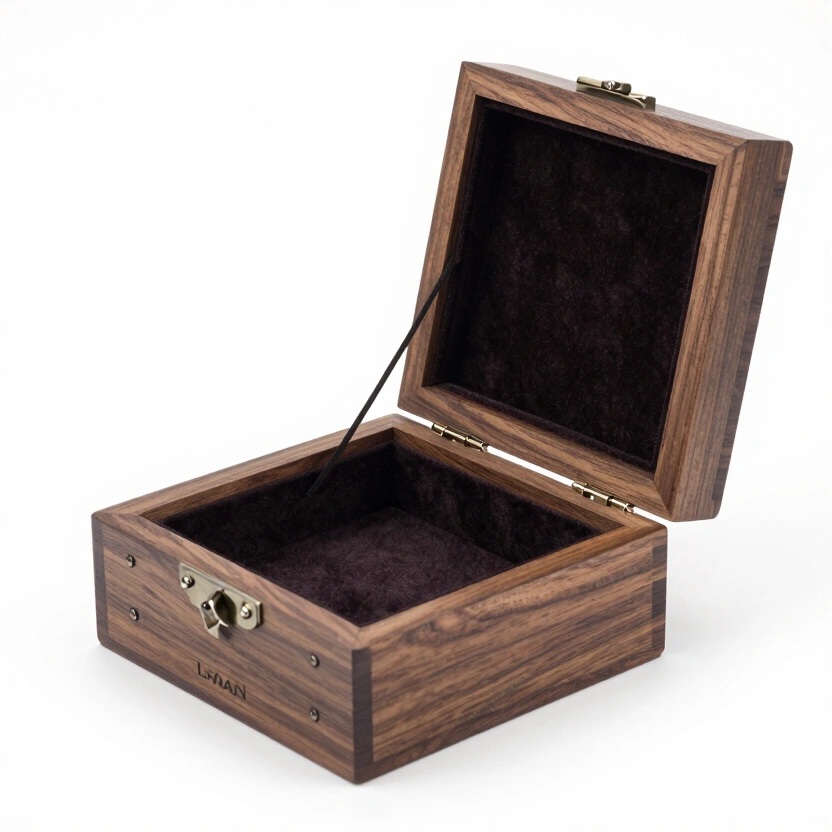
Treasure Chest Dice Box (Resin Mold Compatible)
Snap-lock treasure chest for dice storage. Also available as a resin casting mold to make your own.
Check Price on Amazon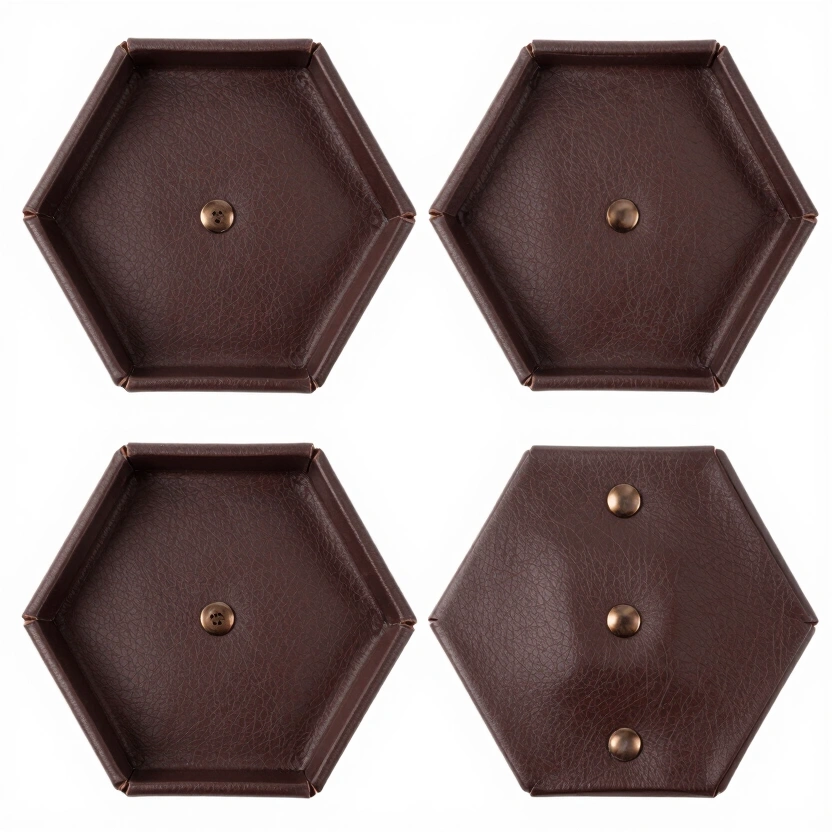
Folding Leather Dice Tray (Hexagonal)
Premium PU leather dice tray. Snaps flat for storage. Protects dice and tables during play.
Check Price on Amazon* Affiliate links. Prices last updated March 6, 2026.
FAQ
How many dice does a standard dice vault hold?
Most vaults are designed for a single 7-piece polyhedral set: d4, d6, d8, d10, d10 (percentile), d12, and d20. Some larger vaults hold 14 dice (two full sets) or include extra d6 slots for games that require multiple six-sided dice. If you need to store more than 14 dice, a vault isn’t the right format — look at a compartmented hard case instead.
Are Wyrmwood dice vaults worth the price?
The build quality is genuinely excellent — tight tolerances, strong magnets, beautiful wood finishing. Whether that’s worth $40-80 depends on what you’re protecting. For a $100 gemstone set or a handmade resin set you can’t replace, the math works. For a $15 acrylic set, you’re spending more on the container than the contents, which is a choice but not a practical one.
Can I use a dice vault for metal dice?
Yes, and metal dice arguably benefit from vaults more than any other type. Metal dice are heavy enough to damage other dice through contact and soft enough (especially zinc alloy) to develop surface scratches from friction. The foam or felt lining in a vault cushions each die individually. One note: metal dice compress foam inserts faster than resin or stone, so check the snugness every 6-12 months and replace the foam if dice start shifting.
What’s the cheapest way to protect expensive dice?
If you need protection today and don’t want to spend money, wrap each die individually in a small piece of tissue paper or microfiber cloth before putting them in a bag. This eliminates direct die-on-die contact, which is where most damage happens. For a more permanent solution, a thrift-store jewelry box with craft foam inserts costs under $5 and provides vault-level protection. The dice don’t care what the box looks like — they care that they’re not touching each other.
This weekend, take your most valuable set out of whatever they’re currently stored in and inspect each face under good light. If you see micro-scratches, dulled edges, or tiny chips you didn’t put there — that’s contact damage from storage. A $5 foam insert in a thrift-store box stops it immediately. A proper vault stops it permanently and looks good doing it. Either way, fix it before the next session.
Related Articles
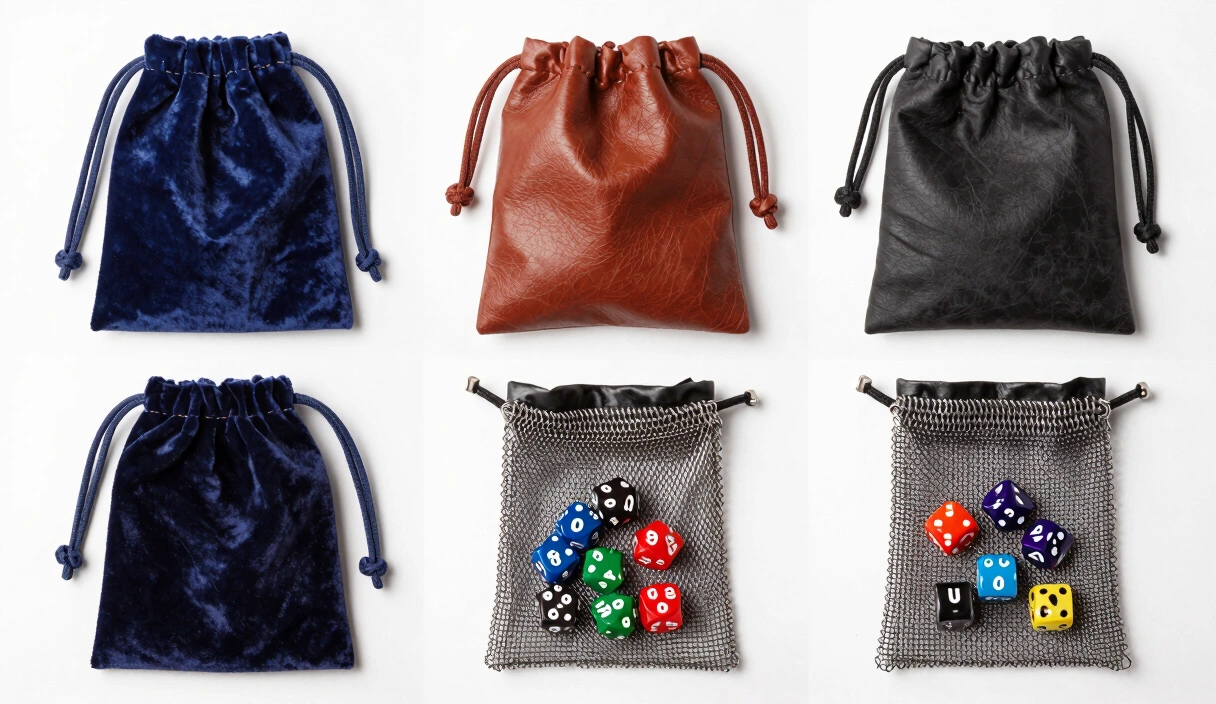
Best Dice Bags: From Crown Royal Pouches to Custom Leather
Comparing drawstring pouches, segmented bags, roll-ups, and hard cases for dice storage. Real picks with prices, plus a 30-minute DIY dice bag tutorial.
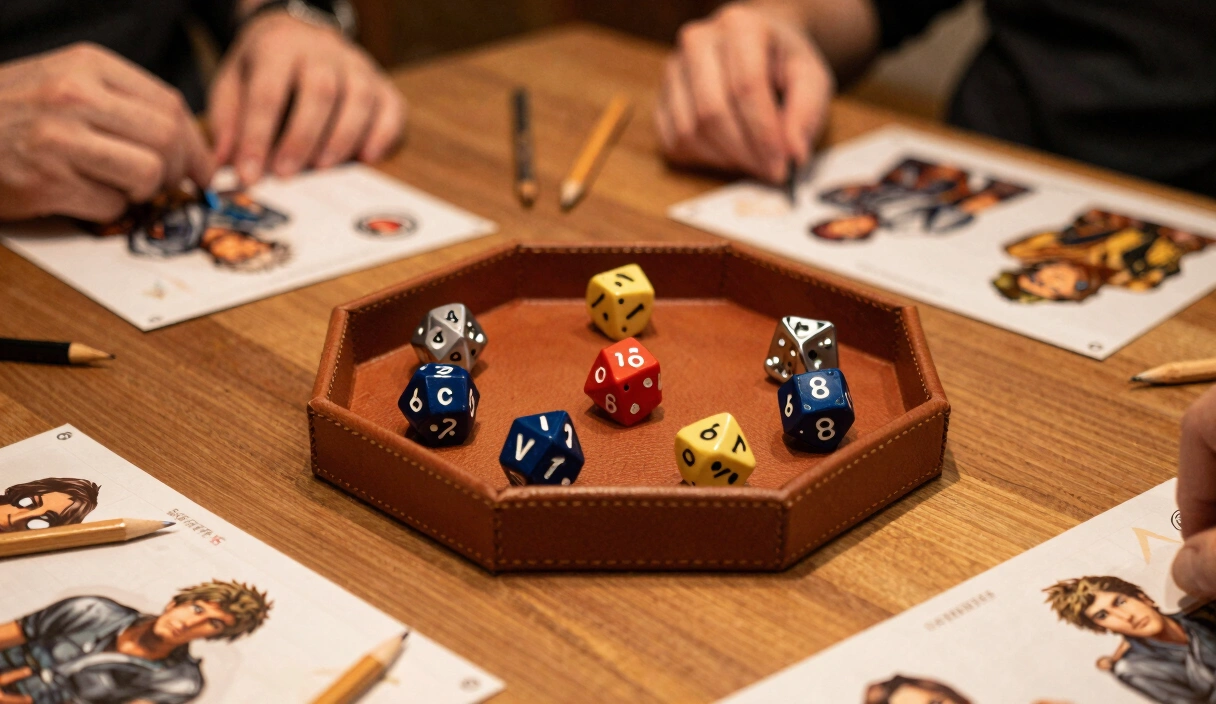
Best DnD Dice Trays: From $10 Folding to Handmade Leather
Your dice deserve better than the floor. We compare folding, wooden, and handmade leather dice trays by price and durability — plus three DIY builds.
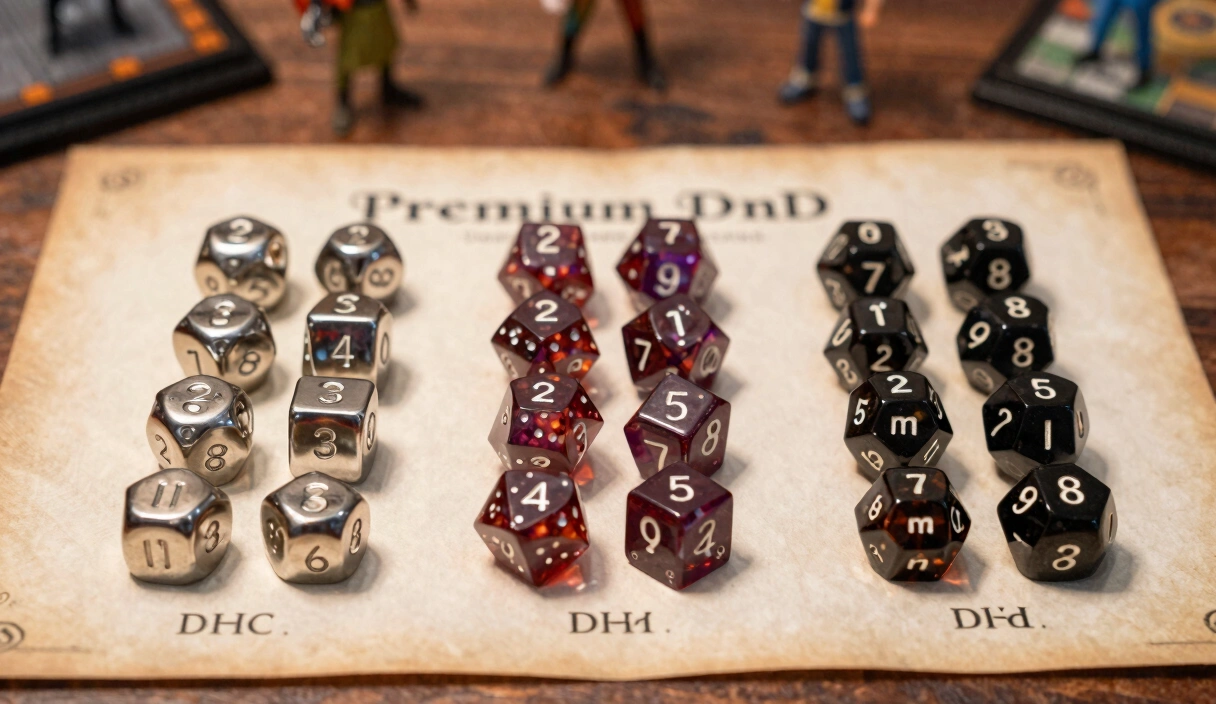
Best Dice for DnD: Honest Picks After Testing 40+ Sets
Most 'best dice' lists are just affiliate dumps. I bought 40+ sets with my own money and ranked them by what actually matters at the table.