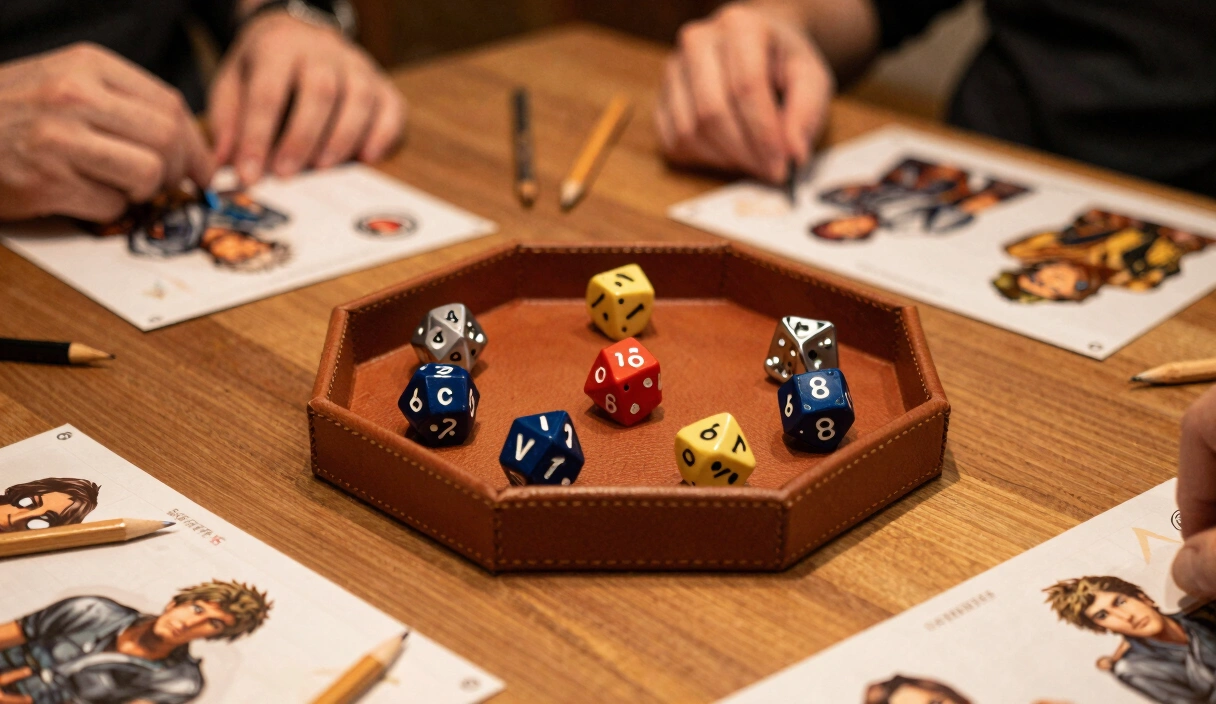
Best DnD Dice Trays: From $10 Folding to Handmade Leather
Your dice deserve better than the floor. We compare folding, wooden, and handmade leather dice trays by price and durability — plus three DIY builds.
Contents
The clatter of a d20 across a wooden table sounds great — until it knocks over the Dungeon Master’s screen, scatters three miniatures off the bridge encounter, and rolls under the couch where it wedges between a dust bunny and a lost Cheeto. Meanwhile, everyone at the table is craning their necks. “What did you roll?” Nobody knows. The die is gone.
A dice tray solves this in the most boring, reliable way possible. It’s a flat surface with walls. That’s it. But the difference between a good tray and a bad one — or no tray at all — shows up about ten minutes into any session. Here’s what actually matters when picking one, what the options look like across budgets, and how to build your own if you’d rather spend a Saturday afternoon than thirty dollars.
Why You Actually Need a Dice Tray
The case for a dice tray comes down to four problems that every tabletop group runs into eventually.
Noise
A full polyhedral set dropped on a bare table generates roughly 70-75 decibels — about the volume of a running vacuum cleaner. Roll metal dice on a hardwood table and you’re pushing past 80 decibels. In a game store with four tables running, that noise stacks fast. A lined tray drops the volume by 15-20 decibels depending on the surface material, which is the difference between “noticeable” and “ignorable.”
Control
Dice go where physics tells them to. Without a tray, a d20 rolled with any force travels 12-18 inches across a flat table. That’s enough distance to hit drinks, scatter tokens, and slide off the edge. A tray with 1-inch walls contains everything within a defined space. No chasing, no arguments about cocked dice resting against a book.
I learned this the hard way: A nat 20 on a death save rolled clean off the table, bounced off a chair, and landed behind the radiator. By the time we fished it out, the moment was dead. Bought a tray the next day.
Protecting Your Table and Your Dice
If you’ve invested in a quality dice set, you probably care about keeping the edges sharp and the faces unmarred. Hard surfaces chip resin dice over time. Metal dice gouge wood tables. A felt- or leather-lined tray absorbs impact on both ends of the equation — the table stays undamaged, the dice stay pristine.
Keeping Dice on the Table
This is the simplest argument and the most persuasive. A tray keeps your dice where you can see them. No floor rolls. No re-rolls because the die ended up in someone’s bag of chips. The roll happened, it landed face-up in the tray, everyone can read it. Session moves forward.
Types of Dice Trays
Not all trays are the same shape, material, or price point. Here’s what’s actually available and what each type does well.
Folding Leather or Vinyl Trays
The most popular format. A flat square or hexagonal piece of leather or faux leather with snap buttons at the corners. Unsnap to fold flat for transport, snap together to form a shallow tray with roughly 1-inch walls. Most measure 8-10 inches across when assembled.
Strengths: Extremely portable, fits in a dice bag or backpack pocket, weighs almost nothing. The leather surface rolls quietly.
Weaknesses: The snap corners can pop open if you roll aggressively. The walls are shallow — a hard roll can still send a d20 over the edge. No rigid structure means the tray conforms to whatever surface it sits on, which is usually fine but feels flimsy on an uneven table.
Wooden Box Trays
A rigid wooden frame — typically walnut, cherry, or bamboo — with a felt, leather, or velvet rolling surface recessed into the base. Walls are usually 1.5-2 inches high. Some have lids that double as a second rolling surface.
Strengths: Substantial feel, excellent wall height, the rolling surface stays flat and level. Looks good on a game table. Many double as dice storage with a lid.
Weaknesses: Not portable. A solid wood tray weighs 1-3 pounds and doesn’t fold or collapse. Takes up real table space.
Rolling Mats
A flat neoprene or rubber mat, sometimes with a raised silicone border. Think of a large mousepad with low walls. Sizes range from 10 x 10 inches to full playmat dimensions.
Strengths: Rolls up for transport. The rubber base grips the table and won’t slide. Large rolling surface.
Weaknesses: The border is usually under half an inch, so dice can still escape on a strong roll. More of a noise dampener than a true containment solution.
Hexagonal Trays
A six-sided tray — wood, resin, or 3D printed — designed as a visual statement piece. The hexagonal shape references the hex grid used in many tabletop RPGs and wargames. Functionally identical to a round or square tray, but the geometry tends to redirect dice toward the center rather than into corners.
Strengths: Looks distinctive. The angled walls act as subtle baffles, adding a small amount of extra tumble.
Weaknesses: Hex shapes waste more table space per usable rolling area than squares. Custom or artisan-made, so prices run higher.
Tower and Tray Combo
A dice tower with an integrated landing tray at the base. You drop dice in the top, they tumble through internal baffles, and land in the attached tray. Combines randomization with containment.
Strengths: Maximum roll control. No dice ever leave the tray because they enter it from above at low velocity after bouncing through baffles.
Weaknesses: Takes up vertical space. Not everyone at the table can see the roll as it happens — the tower blocks sightlines. Some players find them impersonal.
Best Dice Trays by Budget
Price determines material quality and construction, but diminishing returns hit fast. Here’s what each tier actually gets you.
$10-20: Folding Trays
At this price, you’re getting PU leather or vinyl with metal snaps. The rolling surface is usually a thin velvet or microfiber lining glued to the interior. Common brands include Gameland, SIQUK, and generic Amazon options.
What to expect: Functional, portable, and disposable if needed. The snap buttons loosen after 6-12 months of regular use. The velvet lining may peel at the edges over time. But for a first tray, or a travel tray, this tier does the job without any guilt about the investment.
Data Point: The most-reviewed dice tray on Amazon (over 12,000 ratings) is a $13 folding PU leather hexagonal tray. Average rating: 4.6 stars. The top complaint is snap durability, not rolling surface quality.
$20-40: Wooden Trays
This is where you start seeing solid wood frames, properly inset rolling surfaces, and real felt or leather liners. Brands like Wyrmwood (lower-end models), D20 Collective, and various Etsy sellers operate here.
What to expect: A tray that lasts years. The wood frame won’t flex or warp. The rolling surface is glued and fitted rather than loosely draped. Some come with lids, magnetic closures, or engraved designs. This is the sweet spot for most players — durable, attractive, and priced below the “do I really need this?” threshold.
$40+: Premium Leather, Hardwood, and Handmade
Genuine leather trays from makers like Dog Might Games, Wyrmwood’s premium line, or independent leatherworkers on Etsy. Also includes custom resin trays that match specific dice sets — something you can build yourself if you’re already making dice.
What to expect: Heirloom quality. Full-grain leather that develops a patina over years of use. Hand-finished hardwood with dovetail joints. Custom inlays, monograms, or hand-tooled designs. These are as much display pieces as functional accessories.
The honest question at this tier: does a $90 tray roll dice better than a $25 tray? No. The rolling physics are identical. You’re paying for material quality, craftsmanship, and aesthetics. If those matter to you — and for a lot of players, they genuinely do — the investment holds its value.
DIY Dice Tray Options
Building your own tray is straightforward, and the results can match or exceed commercial options. Three approaches, ranked by difficulty.
Leather and Snap Kit
Buy a 12 x 12 inch piece of vegetable-tanned leather (about $8-15 from Tandy Leather or similar), a set of line-24 snap buttons ($4-6), and a snap setter tool ($5-8 if you don’t have one). Cut the leather into a square or hexagon with corner tabs. Set snaps at each corner tab. Total cost: $15-25. Total time: under an hour.
The result is functionally identical to the $10-15 commercial folding trays, but the leather is real and the snaps are industrial-grade. Vegetable-tanned leather also takes dye, stamps, and tooling, so you can personalize it however you want.
Wooden Frame and Felt
Cut four strips of hardwood (3/4 inch by 1.5 inches, mitered at 45 degrees at each end) to form a square or rectangular frame. Glue and clamp the frame. Cut a plywood base to fit inside, line it with adhesive-backed felt, and glue it into the bottom of the frame. Sand, stain, finish.
Scene: There’s a particular satisfaction in the first roll on a tray you built yourself. The die drops, hits felt with a muted thump instead of a crack, and comes to rest cleanly in the center. You realize you’re smiling at a piece of wood with fabric in it. That’s the hobby talking.
Materials run $10-20 if you’re buying wood from a hobby store, or nearly free if you have scrap. The build takes 2-3 hours including drying time. Add rubber bumper feet to the bottom so the tray doesn’t slide.
Resin Tray Matching Your Dice
If you already pour resin for dice, casting a matching tray is a natural extension. Pour a flat panel roughly 10 x 10 inches and 1/4 inch thick for the base, plus four wall strips. Use the same pigments and mica powders as your dice set. Assemble with resin adhesive, sand through 2000 grit, and polish.
This is a multi-day project because of cure times, and the resin volume is significant — plan on 200-300 ml for a standard-sized tray. But the end product is a one-of-a-kind piece that matches your handmade dice exactly. Nobody sells that because nobody else has your specific color combination.
What to Look for in a Dice Tray
Five variables separate a good tray from a frustrating one. Check all five before you buy or build.
Size: 8-10 Inches Minimum
Anything smaller than 8 inches across and you’ll have dice climbing the walls and landing outside the tray on strong rolls. A d20 needs room to tumble and settle. The 8-10 inch range handles solo rolling comfortably. If you regularly roll pools of 6 or more dice simultaneously (looking at you, Fireball), go 10-12 inches.
Lip Height: 1 Inch is the Floor
Wall height is more important than floor area for keeping dice contained. Trays with half-inch walls look sleek but let d20s escape regularly. One inch is the minimum for resin and acrylic dice. For metal dice, go 1.5 inches — they carry more momentum and bounce higher.
Surface Material
The rolling surface determines noise, bounce, and feel. Three options, each with tradeoffs:
- Felt: Quietest surface. Dice land with a soft thud and stop quickly. Absorbs spills poorly — a knocked-over drink soaks in fast. Wears down over 2-3 years of heavy use, showing a smooth patch where most rolls land.
- Leather: Moderate noise dampening, beautiful aging. Develops a patina that looks better over time. More expensive. Slightly more bounce than felt, which some players prefer because the die visibly tumbles before settling.
- Rubber or neoprene: Most durable, easy to clean, good noise dampening. Feels utilitarian rather than premium. The best choice for game stores or shared trays that see heavy, constant use.
Portability
If you game at home every week, portability is irrelevant — buy the heaviest, most beautiful tray you can find. If you travel to game stores, conventions, or different friends’ houses, a folding tray or rolling mat saves space and weight. Match the tray to how you actually play, not how you wish you played.
Compatibility with a Dice Tower
If you already use or plan to build a dice tower, make sure the tray fits under the tower’s exit. Many tower and tray combos are sold together, but if you’re mixing and matching, measure the tower’s exit width and the tray’s interior. The tray should extend at least 3 inches past the tower exit in every direction.
Dice Storage and Display
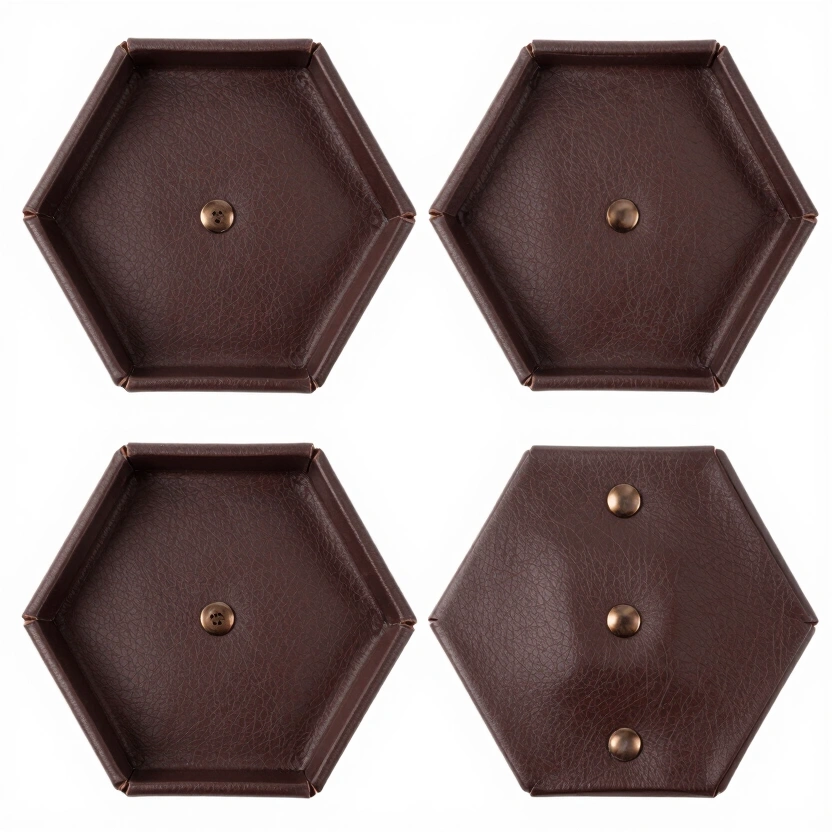
Folding Leather Dice Tray (Hexagonal)
Premium PU leather dice tray. Snaps flat for storage. Protects dice and tables during play.
Check Price on Amazon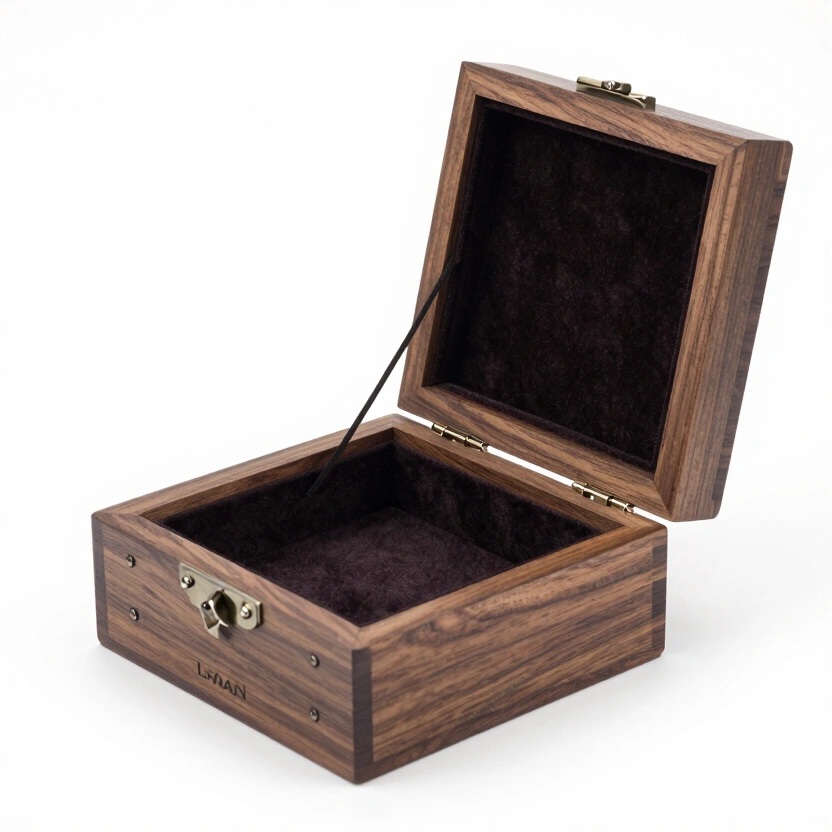
Treasure Chest Dice Box (Resin Mold Compatible)
Snap-lock treasure chest for dice storage. Also available as a resin casting mold to make your own.
Check Price on Amazon* Affiliate links. Prices last updated March 6, 2026.
FAQ
What size dice tray do I need for DnD?
An 8 x 8 inch tray handles standard rolling — one or two dice at a time — comfortably. For rolling multiple dice simultaneously (damage rolls, spell effects like Fireball or Sneak Attack), go 10 x 10 inches or larger. The rolling surface matters more than the outer dimensions, so check interior measurements if the listing provides them. Wall height should be at least 1 inch, or 1.5 inches if you use metal dice.
Are dice trays worth it?
For any group that plays regularly, yes. The practical benefits — noise reduction, table protection, no lost dice — justify even a $10 folding tray within a few sessions. The “worth it” question gets more subjective above $40, where you’re paying for aesthetics and craftsmanship rather than added function. A $15 tray and a $90 tray contain dice equally well.
Can I use a dice tray with metal dice?
Yes, and you probably should. Metal dice weigh 3-5 times more than resin or acrylic dice and will damage bare wood or glass tables with repeated rolling. A tray with a felt or leather surface absorbs the impact and protects both the table and the dice finish. Choose a tray with walls at least 1.5 inches high — metal dice carry more kinetic energy and bounce higher than lighter alternatives.
What is the best surface material for a dice tray?
Felt is the most popular for a reason: it’s quiet, affordable, and provides enough friction that dice settle quickly without excessive bouncing. Leather is the premium choice — it ages well, looks better over time, and offers a satisfying middle ground between noise dampening and visible tumble. Rubber or neoprene wins on durability and cleanability but lacks the tactile warmth of natural materials. For most home games, felt or leather. For shared or high-traffic use, rubber.
Your next session is a week away. Between now and then, the fastest path to a better rolling experience is a $12 folding tray from Amazon — order it today, it arrives Thursday, and by Friday night your dice stay on the table where they belong. If you want something more permanent, a wooden frame with felt takes one afternoon and costs less than a pizza. Either way, the dice hit soft, land visible, and stay put. That’s the entire job.
Related Articles
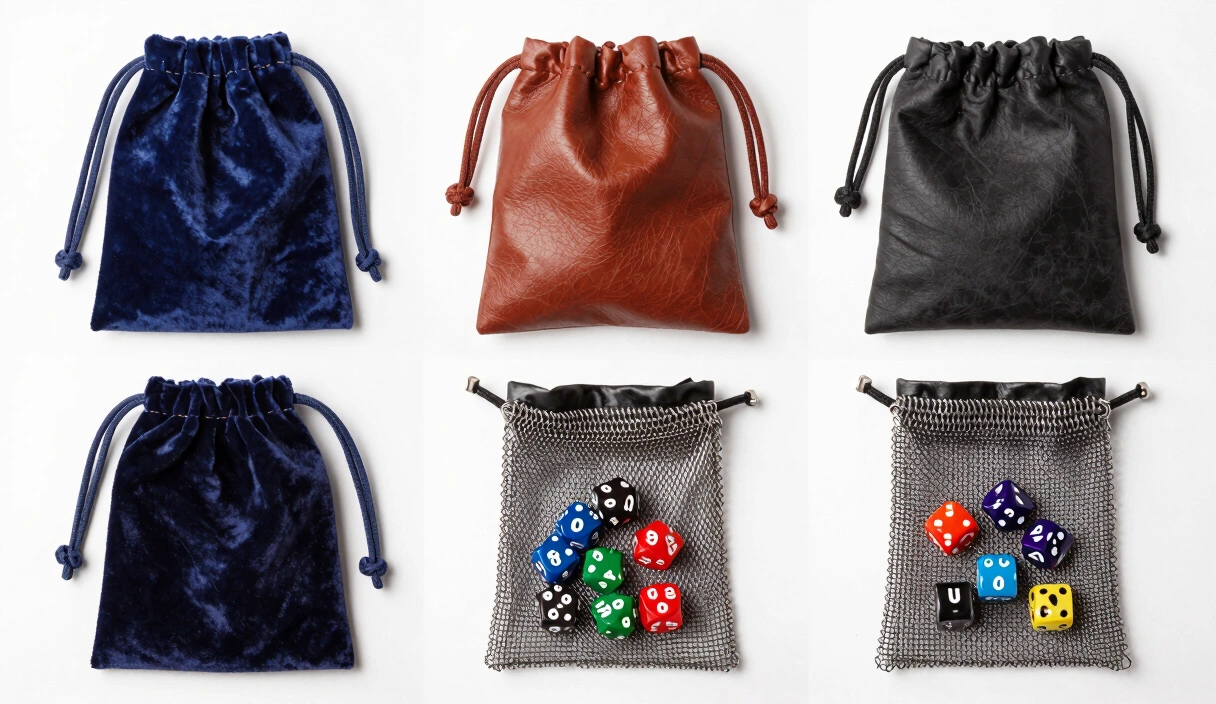
Best Dice Bags: From Crown Royal Pouches to Custom Leather
Comparing drawstring pouches, segmented bags, roll-ups, and hard cases for dice storage. Real picks with prices, plus a 30-minute DIY dice bag tutorial.
Best Dice for DnD: Honest Picks After Testing 40+ Sets
Most 'best dice' lists are just affiliate dumps. I bought 40+ sets with my own money and ranked them by what actually matters at the table.
Dice Vaults: Premium Storage for Dice That Deserve Better Than a Bag
Your $80 gemstone dice are rattling loose in a Crown Royal bag. A dice vault fixes that — we compare Wyrmwood, Die Hard, 3D printed, and DIY options.