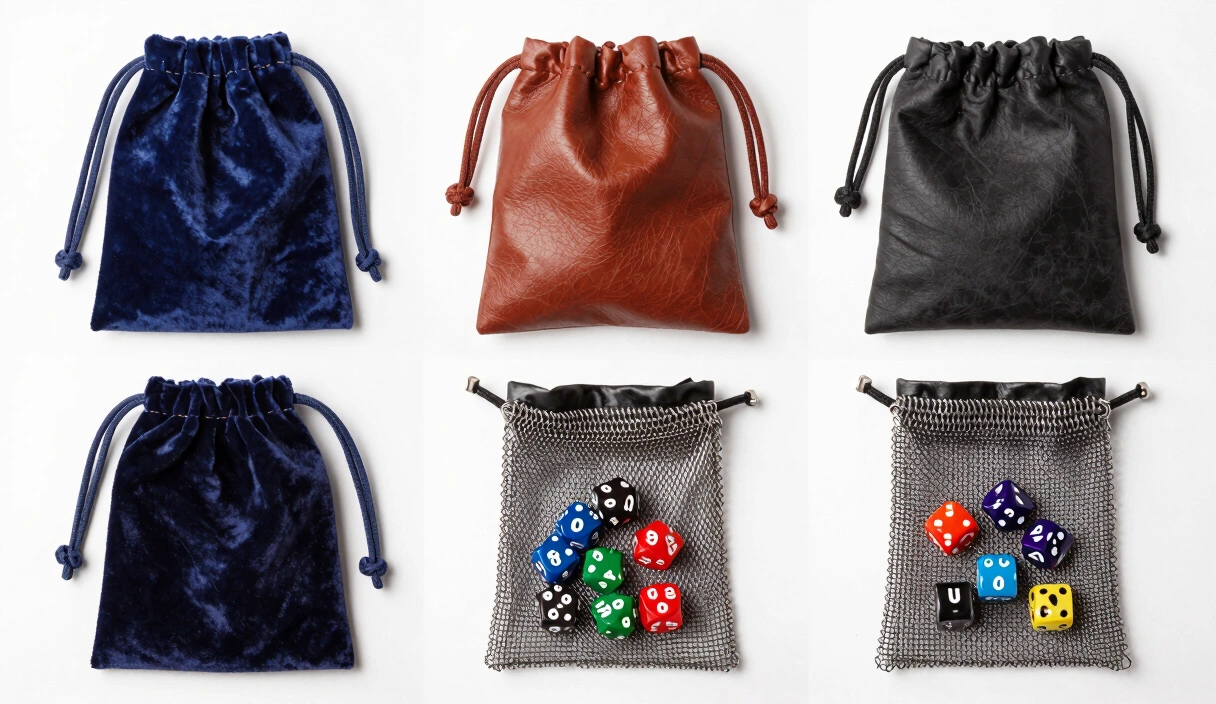
Best Dice Bags: From Crown Royal Pouches to Custom Leather
Comparing drawstring pouches, segmented bags, roll-ups, and hard cases for dice storage. Real picks with prices, plus a 30-minute DIY dice bag tutorial.
Contents
Most dice bags are terrible. That purple Crown Royal pouch sitting in your drawer right now? It’s doing almost nothing to protect your dice. Resin sets clatter against each other with every step, slowly grinding down the sharp edges you paid extra for. Metal dice are worse — they’ll dent resin faces within weeks if stored together loose. And yet the Crown Royal bag has been the default dice container in tabletop gaming for decades, mostly because it’s free and it’s the right size.
There’s a better way. But the “better way” depends entirely on how many dice you carry, what they’re made of, and whether you care about organization or just want a sack to dump on the table. Here’s what actually works, what’s overpriced, and how to make your own for under five dollars.
Why Your Dice Storage Matters
A single polyhedral dice set contains seven pieces with precise geometry — flat faces, sharp edges, and painted or inked numbers. Every time two dice collide in a bag, a tiny amount of material transfers or chips away. Over months, this adds up.
Resin Dice and Scratches
Resin sits between 70 and 85 on the Shore D hardness scale, depending on the formula. That’s hard enough to hold an edge, but soft enough that resin-on-resin contact creates micro-scratches visible under direct light within a few weeks of loose storage. If you’ve ever pulled a translucent set out of a bag and wondered why it looked hazier than when you bought it, that’s contact abrasion. The surface is covered in tiny scratches that scatter light instead of transmitting it.
I noticed this after about two months: A set of sharp-edged resin dice I’d been carrying loose in a drawstring pouch developed a visible haze on the flat faces. The edges were still sharp, but the faces looked like they’d been hit with 2000-grit sandpaper. Separating my sets fixed the problem completely.
Metal Dice and Denting
Metal dice weigh 3-4 times more than resin. Drop a zinc-alloy d20 into a bag of resin dice and every bump in transit applies focused force through the metal edges onto the resin faces. Metal-on-metal contact is less damaging but still produces audible dings over time. If you carry metal and resin together, you need separation — full stop.
Organization at the Table
Beyond protection, there’s speed. A DM running a combat encounter with four different monster types doesn’t want to dig through a pile of mixed dice to find the right d6s. A player with three characters across two campaigns doesn’t want to untangle eight sets from a single pouch. Organized storage means less downtime at the table.
That quiet satisfaction of pulling exactly the right set from a neatly organized bag and rolling without delay — that’s worth more than most players realize until they experience it.
Types of Dice Bags
Four main formats exist, and each solves a different problem.
Drawstring Pouch
The classic. A fabric bag with a cord closure. Holds 1-3 sets loose in a single chamber. This is what 90% of dice players start with, and it works fine for a single set of uniform material.
Best for: Players carrying one set to a weekly session. Light, packable, cheap.
Limitations: Zero organization. No protection against dice-on-dice contact. Anything over two sets becomes a jumbled mess.
Segmented Bag
A larger bag with internal dividers, pockets, or individual compartments. Some use elastic loops, others have zippered sub-pouches. Capacities range from 4 sets to 20+.
Best for: DMs and collectors who carry multiple sets and want each one separated.
Limitations: Bulkier than a simple pouch. Quality varies wildly — cheap versions have dividers that collapse under the weight of metal dice.
Roll-Up Organizer
A flat panel of fabric or leather with individual pockets that rolls into a cylinder and secures with a strap or tie. Each pocket typically holds one full set. Most roll-ups accommodate 5-7 sets.
Best for: Players who want fast visual access to all their sets at once. Unroll it on the table and every set is visible and separated.
Limitations: Doesn’t protect against crushing pressure in a packed bag. The rolled shape can be awkward in some backpack layouts.
Hard-Shell Case
A rigid box — foam-lined, usually with pick-and-pluck foam or molded compartments. Think miniature carrying case. Capacities from 2 sets to 30+.
Best for: Expensive dice that need impact protection. Metal sets. Convention travel where bags get tossed around.
Limitations: Heavy. Bulky. Overkill for a casual Tuesday night session with one set of acrylic dice.
Best Dice Bags by Type
Specific picks across price points, based on what’s currently available and what holds up over time.
The Crown Royal Bag (Free - $5)
The tradition persists for a reason. The standard Crown Royal bag measures roughly 9 x 5.5 inches, uses a satin-lined velvet exterior, and holds 3-4 sets comfortably. You can find them at thrift stores for $1-2 or get one by buying a bottle of whisky.
Pros: Iconic. Soft lining. Decent size. Conversation starter.
Cons: Single chamber, no organization, no real protection. The drawstring loosens over time. Your dice smell faintly of whisky for the first month — some consider this a feature.
Straight talk: If you’re carrying one set of resin dice to a game, a Crown Royal bag is genuinely fine. The reason to upgrade isn’t snobbery — it’s that your needs eventually outgrow a single unsorted pouch.
Cardkingpro Immense Dice Bag ($18-25)
The go-to segmented bag for DMs. A large main compartment with 14 internal mesh pockets, each sized for a single set. Holds 20+ sets total when you count the center space. Available in multiple colors.
Pros: Massive capacity. Pockets keep sets separated. Exterior loop for carabiner attachment. Built solidly — double-stitched seams.
Cons: It’s big. About the size of a large grapefruit when loaded. The mesh pockets can snag on sharp-edged dice. No rigid protection — it’s still a fabric bag.
Leather Drawstring Pouch ($15-40)
A step up from the Crown Royal in material quality. Full-grain or top-grain leather pouches from makers on Etsy and at gaming conventions. Usually hold 2-4 sets. Many feature stamped designs — dragons, D20 faces, runes.
Pros: Ages beautifully. Leather develops patina over time. Feels premium. A good one lasts years.
Cons: Still a single-chamber design unless you pay more for divided versions. Leather quality varies enormously — genuine leather (the lowest grade) cracks and peels. Look for “full-grain” or “top-grain” specifically. Prices for quality work start around $25.
Custom Etsy Bags ($20-80+)
The widest range of options. Chainmail bags, hand-sewn velvet, waxed canvas roll-ups, dragon-scale pouches. Etsy sellers like Metallic Dice Games, WizDice, and independent leather workers offer everything from functional to artistic.
Pros: Unique designs you won’t see at anyone else’s table. Support independent makers. Can specify exact dimensions and features.
Cons: Lead times of 2-6 weeks for custom work. Quality is seller-dependent — read reviews carefully. Shipping adds $5-10 on top of the listed price.
Hard-Shell Pick: Enhance Gaming Dice Case ($25-45)
A semi-rigid case with removable foam inserts. Holds 6-8 sets in individual slots. Zippered closure, exterior pocket for pencils or minis.
Pros: Actual impact protection. Foam prevents all dice-on-dice contact. Stackable.
Cons: Weighs 12-16 ounces empty. Not something you’d clip to a belt loop.
DIY Dice Bag
You can make a perfectly functional drawstring dice bag in 30 minutes with basic materials. No sewing machine required — this works entirely with hand stitching.
Materials
- One piece of fabric, 10 x 14 inches (cotton, canvas, or felt all work — thrift store shirts are free fabric)
- 24 inches of paracord, ribbon, or leather cord
- Needle and thread (or fabric glue if you really don’t want to sew)
- Safety pin
- Scissors
Steps
- Fold the fabric in half so you have a 10 x 7 inch rectangle with the fold at the bottom.
- Sew the two side edges closed using a running stitch, leaving the top open. Stop your stitching 1.5 inches from the top on both sides.
- Create the cord channel. Fold the top edge down 1 inch and sew it in place along the bottom of the fold, forming a tube around the opening. The 1.5-inch gap you left in the side seams creates the opening for the cord.
- Thread the cord. Attach the safety pin to one end of the cord, feed it into the channel through one gap, push it all the way around, and pull it out the same gap. Tie the two cord ends together.
- Turn the bag right-side out through the top opening. Pull the cord to cinch it closed.
Total cost: $0-3 depending on what you already have. The finished bag holds 2-3 sets and fits in a jacket pocket.
If you want a lined version, cut two pieces of fabric (one outer, one lining), sew each into a bag shape separately, nest the lining inside the outer, and fold the top edges together before creating the cord channel.
How Many Dice Do You Actually Need to Carry?
This determines your bag size, and most people get it wrong in both directions.
The Single-Set Player
You play one character. You need one set of 7 polyhedral dice. Maybe an extra d20 for advantage rolls and a few extra d6s for damage. Call it 10-12 dice total. A simple drawstring pouch handles this perfectly. Don’t buy a segmented bag for 12 dice — you’ll carry empty pockets for months.
The Multi-Character Player
Two or three active characters across different games. You like having a distinct set for each. That’s 21-30 dice, ideally separated by set. A roll-up organizer or a segmented bag with 3-5 pockets fits this profile.
The DM
Here’s where storage actually matters. A prepared DM might roll for a dozen different NPCs and monsters in a single session. Color-coded sets speed up encounter management — red for the fire elemental, blue for the water weird, white for the skeletons. Many DMs carry 8-15 sets, plus extra d20s and handfuls of d6s for fireballs and sneak attacks. A Cardkingpro-style bag or a hard case is the practical minimum.
Data point: A survey of 1,200 DMs on r/DnD found the median number of dice sets owned was 11, with the median number carried to each session at 6. Your storage should fit your carry count, not your total collection.
Size Accordingly
Buy for what you carry, not what you own. Most collections live at home. Your bag only needs to fit what travels to the table. A dice tray at the table handles the rolling — the bag handles the transit.
Dice Storage Options
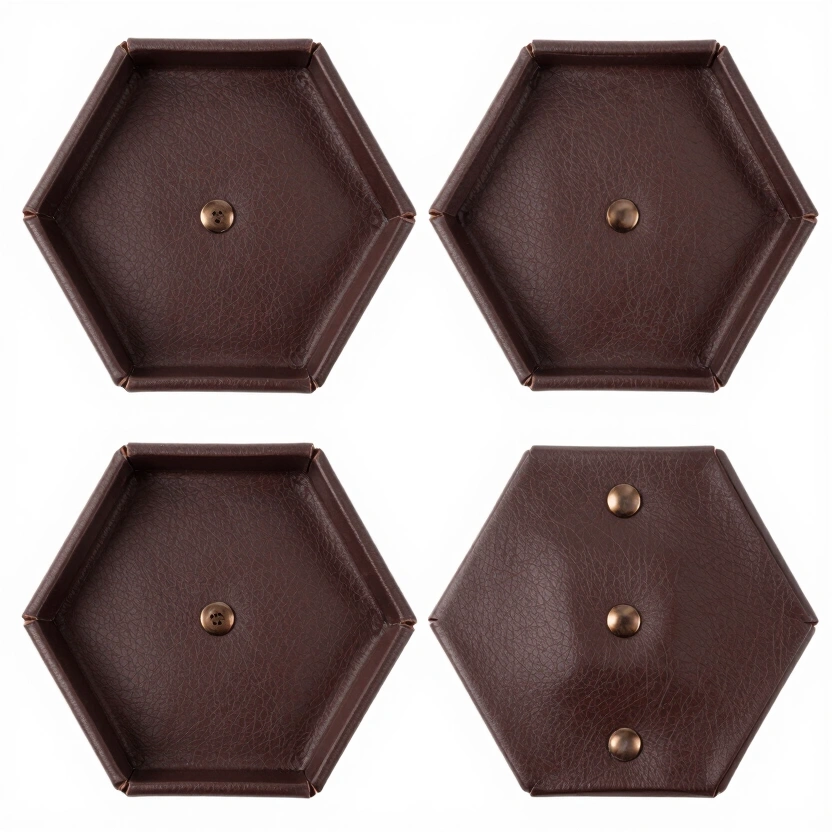
Folding Leather Dice Tray (Hexagonal)
Premium PU leather dice tray. Snaps flat for storage. Protects dice and tables during play.
Check Price on Amazon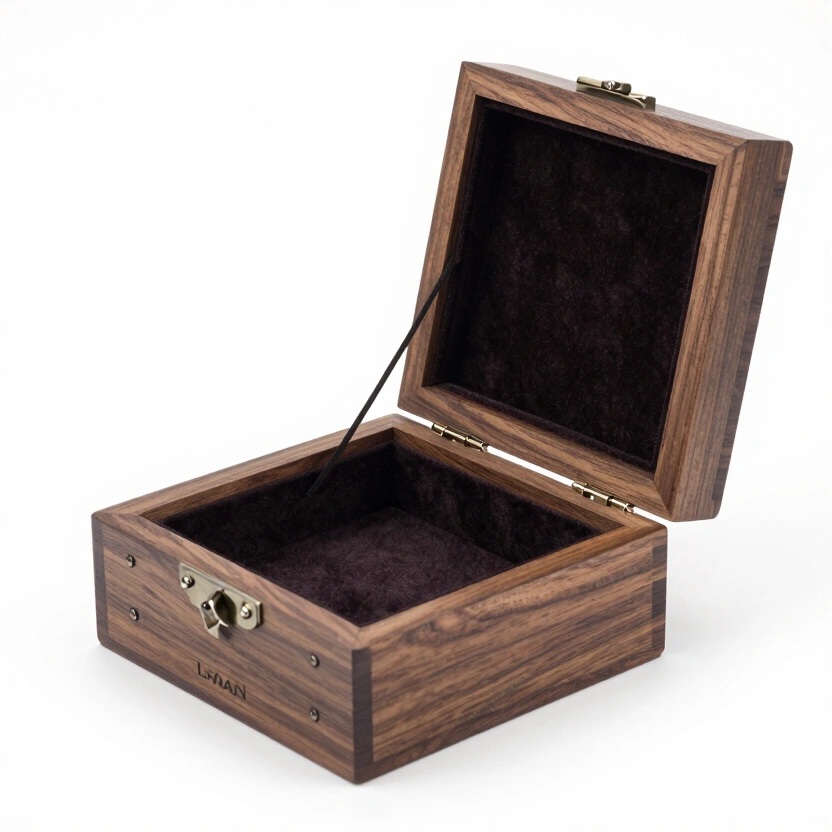
Treasure Chest Dice Box (Resin Mold Compatible)
Snap-lock treasure chest for dice storage. Also available as a resin casting mold to make your own.
Check Price on Amazon
KISREL DND Dice Mold + Organizer Box
All-in-one: 7 dice cavities plus a storage box mold. Perfect starter gift for aspiring dice makers.
Check Price on Amazon* Affiliate links. Prices last updated March 6, 2026.
Frequently Asked Questions
What is the best material for a dice bag?
For durability and protection, top-grain leather or heavy canvas outperforms synthetic fabrics. Leather develops patina and lasts years. For budget options, cotton duck canvas is sturdy and washable. Avoid thin satin or unlined silk — they tear at stress points within months of regular use.
Can metal dice damage other dice in the same bag?
Yes. Metal dice weigh significantly more than resin or acrylic and will chip, scratch, or dent lighter dice through repeated contact during transport. Always store metal dice separately — either in their own pouch, in a divided compartment, or wrapped in a microfiber cloth.
Is a Crown Royal bag actually good for dice?
It’s adequate for a single set of resin or acrylic dice used casually. The velvet lining provides some scratch protection. But it offers no organization, no impact protection for expensive sets, and the drawstring closure loosens with use. Think of it as a starter bag, not an endpoint.
How do I keep my dice organized in a large collection?
Start with a storage system at home — many collectors use tackle boxes, bead organizers, or display cases. For transport, use a segmented bag or roll-up with one set per pocket. Color-code your sets by character or by function (damage dice, percentile dice, backup sets). A dice tower paired with a good tray at the table keeps everything contained during play.
Your next step depends on where you are. If you’re still using a single pouch for multiple sets, get separation — even putting each set in a small zip-lock bag inside your existing pouch eliminates 90% of contact damage. If you’re shopping for a proper bag, match the format to your carry count using the guide above. And if you want something nobody else at the table has, that DIY drawstring takes half an hour and costs less than a cup of coffee. Pick the dice first, then pick the bag that fits them.
Related Articles
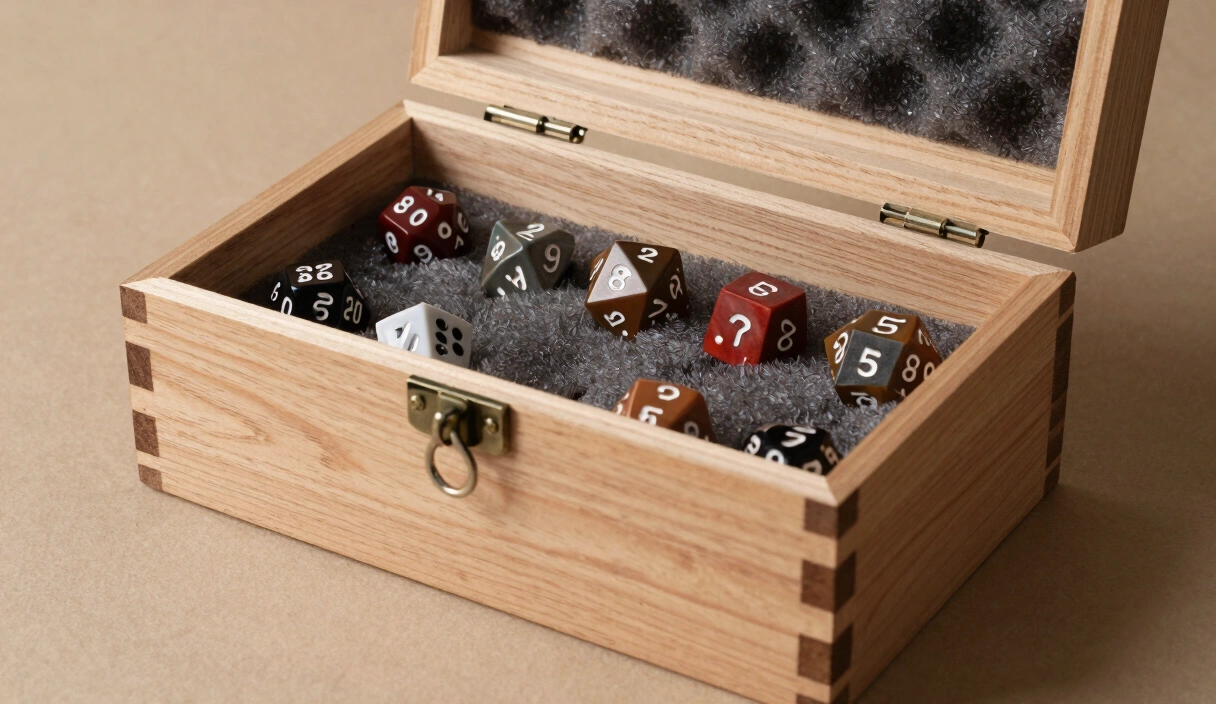
Dice Vaults: Premium Storage for Dice That Deserve Better Than a Bag
Your $80 gemstone dice are rattling loose in a Crown Royal bag. A dice vault fixes that — we compare Wyrmwood, Die Hard, 3D printed, and DIY options.
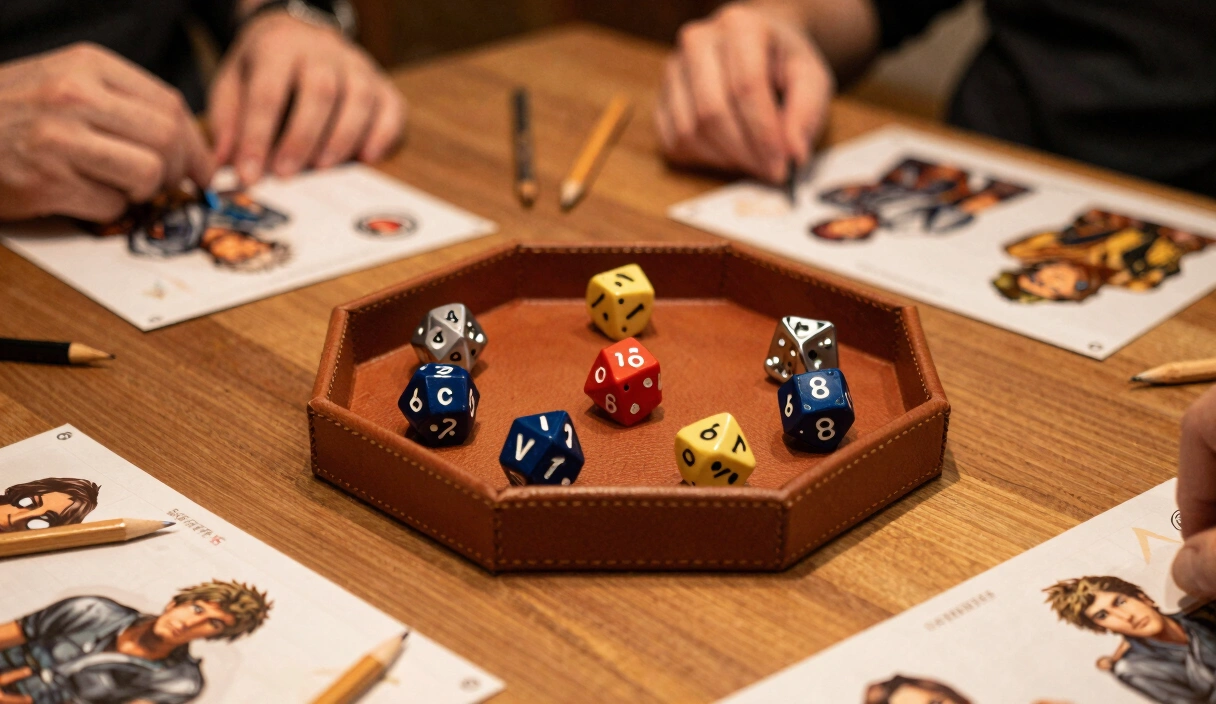
Best DnD Dice Trays: From $10 Folding to Handmade Leather
Your dice deserve better than the floor. We compare folding, wooden, and handmade leather dice trays by price and durability — plus three DIY builds.
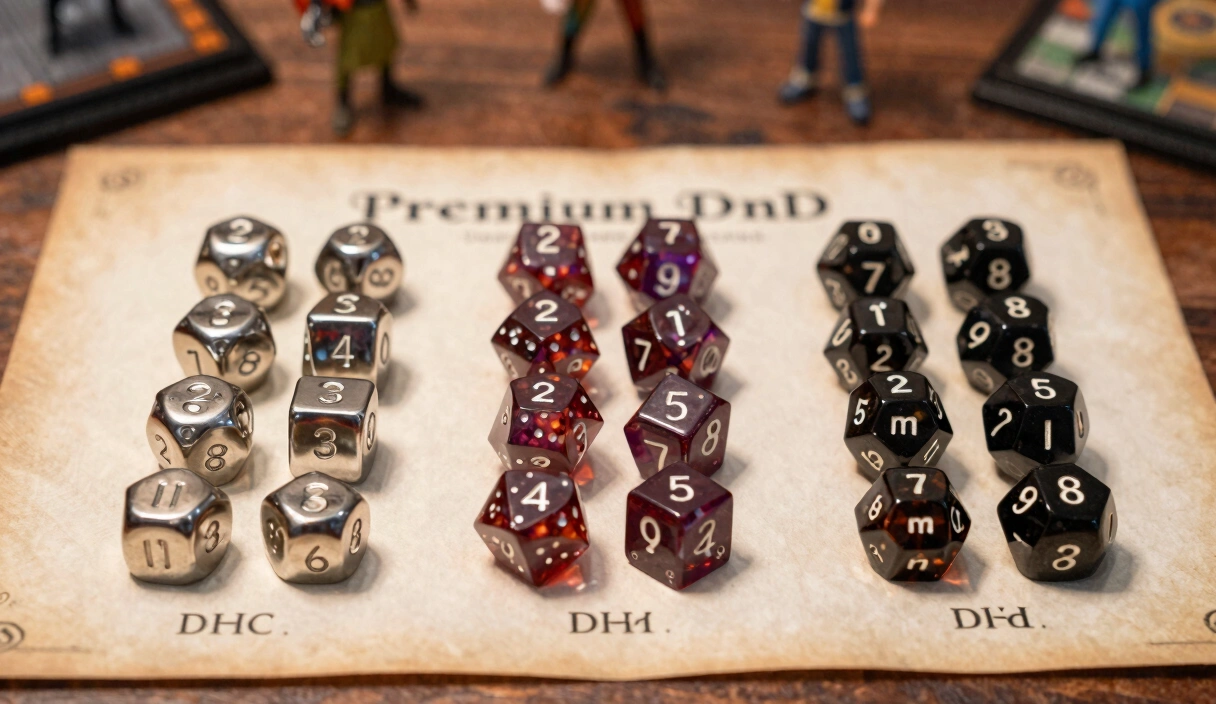
Best Dice for DnD: Honest Picks After Testing 40+ Sets
Most 'best dice' lists are just affiliate dumps. I bought 40+ sets with my own money and ranked them by what actually matters at the table.